Eco-Habits Made Easy: How AI Powers Your Sustainable Daily Life

Let’s be honest: you want to live more sustainably. You separate your recycling, bring a reusable bag to the store, and try to remember to turn off the lights. But in the rush of daily life, making consistently eco-friendly choices can feel overwhelming, complex, and sometimes, downright impossible. This feeling, often called “eco-anxiety,” is a real barrier to meaningful change.
What if you had an intelligent partner working behind the scenes, making sustainable choices the easy choices? What if technology could transform your good intentions into measurable, impactful actions without demanding more of your time and energy?
This isn’t a far-off futuristic dream; it’s the reality of AI sustainable living. Artificial intelligence is quietly becoming the most powerful tool in our personal fight against climate change. It’s moving beyond massive industrial applications and into our homes, our phones, and our daily routines. This article explores how eco-conscious technology is making sustainable habit building not just possible, but practically effortless. We’ll dive into how AI is optimizing our homes, guiding our purchases, minimizing our waste, and providing the personalized feedback we need to make a real difference.
The Invisible Hand: How AI Learns Your Life to Reduce Your Footprint
For decades, eco-advice has been generic: “use less energy,” “reduce water consumption,” “eat less meat.” While well-intentioned, this one-size-fits-all approach fails to account for individual lifestyles, habits, and opportunities for impact.
This is where artificial intelligence changes the game.
The core of AI-driven eco-efficiency lies in its ability to learn, predict, and personalize. By analyzing data from your daily patterns, AI algorithms can move from generic suggestions to hyper-specific, automated actions. Think of it as an invisible efficiency expert who knows your family’s schedule, your home’s unique energy needs, and even your shopping habits.
Instead of just telling you to turn down the heat, AI learns when you leave for work and adjusts the thermostat automatically. Instead of just suggesting you buy less, it helps you find sustainable products while you shop. This is the power of personalized sustainability apps and smart systems—they create a feedback loop that fosters genuine, lasting sustainable habit building.
Your Home, Only Smarter: AI-Driven Eco-Efficiency
The modern home is the frontline for personal environmental impact, responsible for a significant portion of an individual’s carbon footprint through energy and water consumption. Smart home eco tech is transforming our living spaces into responsive, efficient ecosystems.
Smart Energy Management: Beyond the Programmable Thermostat
Programmable thermostats were a great first step, but they’re fundamentally “dumb.” They follow a schedule, regardless of whether you’re home, if it’s an unusually sunny day, or if you have guests over.
Smart energy management AI represents a quantum leap forward.
- Learning Algorithms: Devices like the Google Nest Learning Thermostat use sensors and machine learning to build a profile of your habits. It learns when you’re home or away, what temperatures you prefer at different times, and even how your home heats and cools. This allows it to create an optimized schedule that can cut heating and cooling bills by 10-15% annually—a significant reduction in your carbon footprint.
- Predictive Control: Modern AI energy saving solutions go even further. They can pull data from local weather forecasts to pre-cool your home before a heatwave hits, avoiding peak energy demand and higher prices. They can also integrate with smart plugs and lighting systems, identifying and powering down “vampire” devices that draw power even when turned off.
- Grid Integration: In the near future, home AI will communicate directly with the energy grid, automatically shifting high-consumption tasks like EV charging or running the dishwasher to off-peak hours when electricity is cheaper and often sourced from renewable energy.

This level of intelligent automation ensures you’re always using the minimum energy required for maximum comfort, all without lifting a finger. It’s a prime example of eco friendly home automation delivering tangible results.
Intelligent Water Conservation: AI Tackles Every Drop
Water is a finite resource, and AI is becoming a critical tool for conserving it. Smart water usage AI is being implemented in two key areas:
- Smart Irrigation: Systems like Rachio use AI to create hyper-efficient watering schedules for your lawn and garden. By analyzing local weather patterns, soil type, sun exposure, and plant species, these systems deliver the precise amount of water needed and not a drop more, often reducing outdoor water use by up to 50%.
- Leak Detection: Smart water monitors use AI to learn your home’s normal water flow patterns. If a sudden, unusual flow occurs—like a burst pipe or a running toilet—the AI flags it instantly, sending an alert to your phone and in some cases, automatically shutting off the main water valve to prevent catastrophic waste and damage.
[Related: Guardians of the Digital Frontier: How AI is Revolutionizing Cybersecurity]
Conscious Consumption: AI as Your Ethical Shopping Assistant
Every purchase we make has an environmental story. From the resources used to create a product to the emissions from its transportation, our consumption habits have a massive collective impact. AI is now empowering us to make more informed and ethical choices.
Decoding the Plate: AI for Sustainable Food Choices
The food system is a major contributor to greenhouse gas emissions. AI for mindful consumption starts with what’s on our plate.
- Carbon Labeling: Apps are emerging that use AI to quickly analyze the carbon footprint of grocery items. By simply scanning a barcode, you can get data on the water usage, land use change, and emissions associated with a product, allowing you to choose lower-impact options.
- AI-Powered Meal Planning: A significant portion of household waste is food waste. AI waste reduction tools can help by generating meal plans based on the ingredients you already have in your fridge (often using image recognition via your phone’s camera). They can create shopping lists with exact quantities, preventing over-buying and ensuring everything gets used.
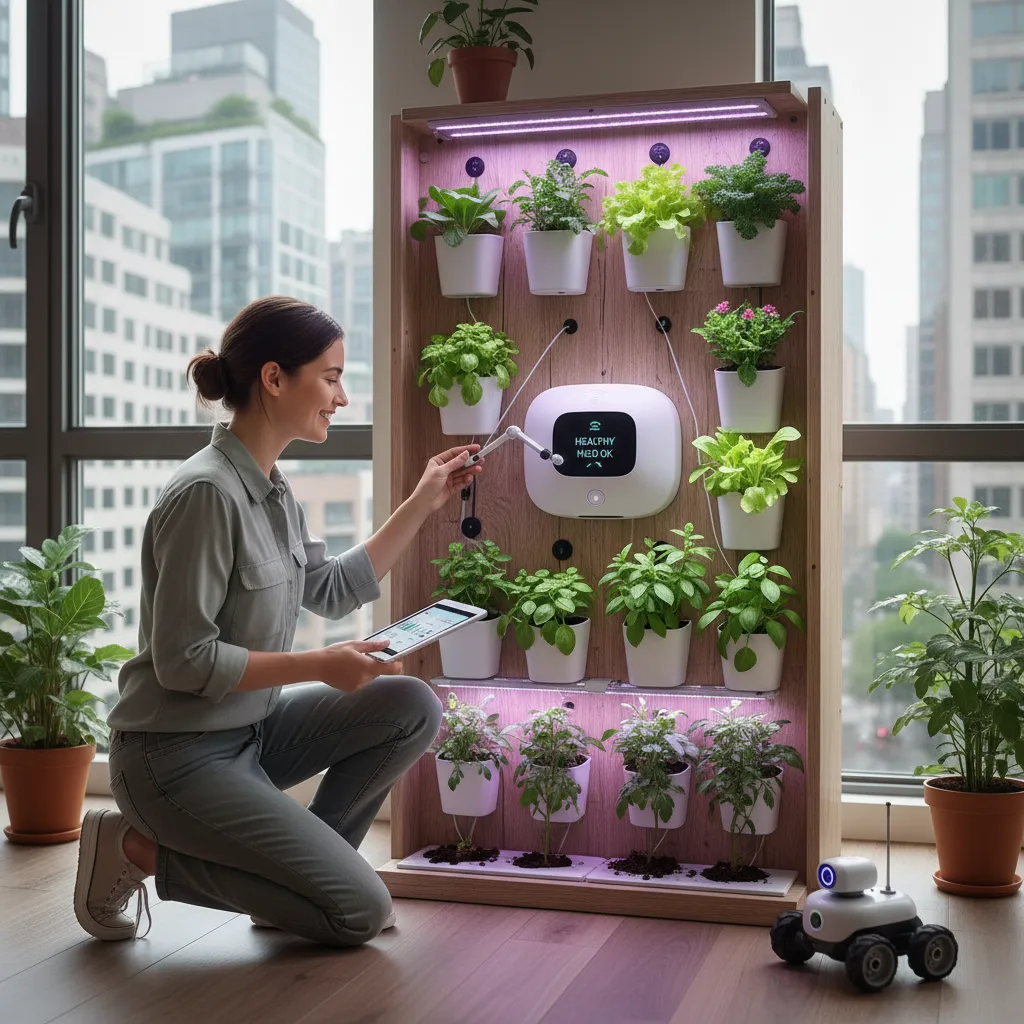
- Promoting Local & Vertical Farming: AI is also at the heart of the local food movement. It optimizes conditions in indoor vertical farms, making it possible to grow produce year-round in urban centers, drastically cutting down on “food miles” and associated emissions. This is one of the most exciting green tech innovations in modern agriculture.
From Fast Fashion to Smart Choices: Sustainable Lifestyle Technology
The fashion and consumer goods industries are notorious for their environmental impact. AI is providing tools to help consumers break the cycle of overconsumption.
- Ethical Brand Discovery: AI algorithms can now sift through thousands of brands to identify and recommend those with transparent supply chains, sustainable materials, and ethical labor practices. Platforms like Good On You use extensive data to rate brands, making it easy to support companies that align with your values.
- Virtual Try-Ons: AI-powered virtual fitting rooms can reduce the massive environmental cost of product returns. By providing a more accurate sense of fit, this technology minimizes the emissions, packaging, and waste associated with shipping items back and forth.
- Secondhand Marketplaces: AI is the engine behind platforms like ThredUP and The RealReal, which make it easier than ever to buy and sell pre-owned clothing. AI algorithms personalize recommendations, authenticate luxury goods, and set optimal pricing, fueling the circular economy.
[Related: The Future of Sustainable Travel: Eco-Conscious Adventures & Tech Innovations]
The End of Waste? AI’s Role in the Circular Economy
Our current “take-make-dispose” economic model is fundamentally unsustainable. The goal is to transition to a circular economy, where resources are kept in use for as long as possible. AI is a critical enabler of this systemic shift.
Smart Recycling and Waste Sorting
Recycling contamination—placing the wrong items in the bin—can derail entire batches of recyclable materials. Smart recycling AI is tackling this head-on.
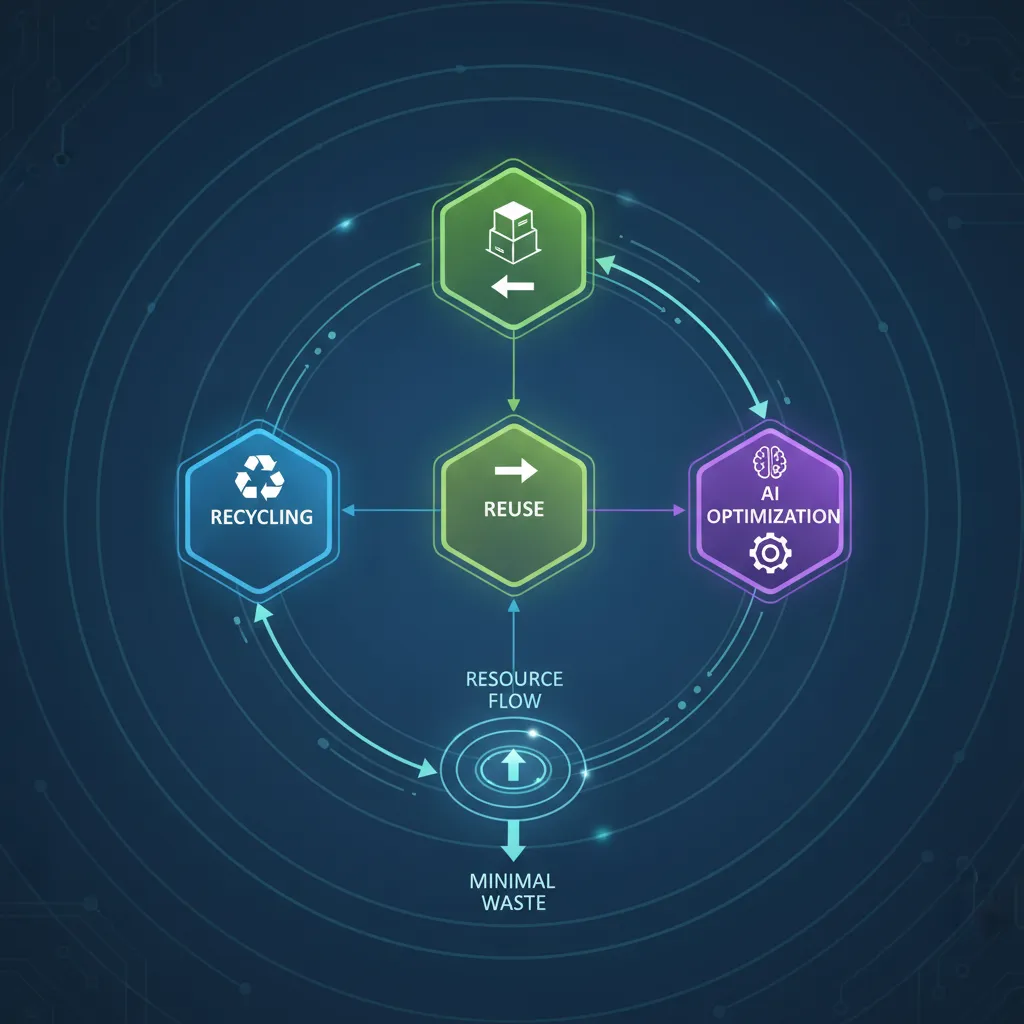
At an industrial scale, AI-powered robots use computer vision to identify and sort materials on conveyor belts with superhuman speed and accuracy. This technology is now trickling down into green consumer tech. Smart bins are being developed that can identify the type of waste you throw away, automatically sort it, and even provide feedback on how to improve your recycling habits. These zero waste AI tools provide a crucial data stream for a more efficient system.
Powering the Circular Economy at Scale
Beyond our bins, circular economy AI is helping businesses redesign their entire operations. AI algorithms can:
- Optimize Supply Chains: Reduce transportation emissions and predict demand to prevent overproduction.
- Enable Predictive Maintenance: In everything from washing machines to industrial turbines, AI can predict when a part will fail, allowing for repair and reuse rather than disposal and replacement.
- Design for Disassembly: AI can assist engineers in designing products that are easier to take apart, repair, and harvest components from at the end of their life.
Tracking Your Impact: The Rise of Personal Carbon Accounting
You can’t manage what you don’t measure. For years, calculating your personal carbon footprint was a clunky, estimate-filled process. Today, AI-powered carbon tracking apps are providing a clear, real-time picture of our environmental impact.
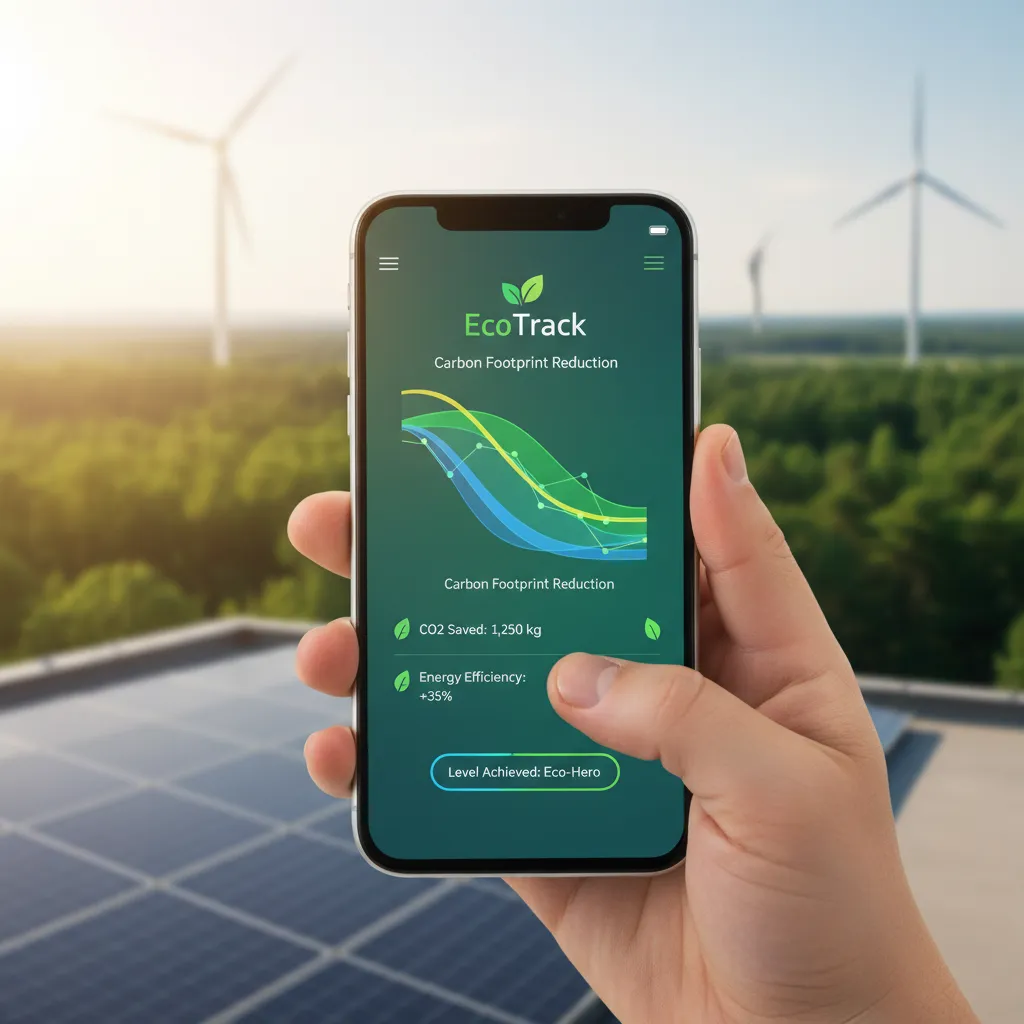
These apps act as a comprehensive personal sustainability tracker. Many leverage open banking APIs to securely connect to your bank accounts. This is where sustainable finance apps AI comes in; the AI analyzes your spending and automatically assigns a carbon footprint to each purchase, whether it’s your morning coffee, a tank of gas, or a new pair of shoes.
This creates a powerful, personalized dashboard of your impact. You can see which areas of your life contribute the most to your footprint and identify the most effective changes you can make. The process also includes:
- Sustainable Travel Planning AI: Tools that can calculate the carbon emissions of different travel options (flight vs. train) and help you purchase certified carbon offsets to mitigate the impact of your journey.
- Gamification and Community: Many apps use goals, streaks, and community leaderboards to make reducing carbon footprint AI-assisted, engaging, and social.
[Related: GPT-4o: What It Is and Why It Matters for Your Daily Life]
The Green Elephant in the Room: The Environmental Cost of AI
To present a complete picture, we must address a crucial point of nuance: AI itself has a carbon footprint. Training large language models and running the massive data centers that power AI applications requires an immense amount of electricity.
This is the central challenge of ethical AI for environment. The goal is for the “green hand” of AI (the efficiencies and savings it enables) to be significantly larger than its “red hand” (the energy it consumes). The tech industry is actively working on this through:
- Developing more energy-efficient AI algorithms and hardware.
- Powering data centers with 100% renewable energy.
- Locating data centers in colder climates to reduce cooling costs.
As consumers, we can contribute by supporting companies committed to transparency and using green energy to power their AI services.
The Future is Green and Automated
The integration of AI into sustainable living is just beginning. The future of sustainable tech points toward a world where eco-conscious choices are seamlessly woven into the fabric of our lives.
Imagine a home that doesn’t just react to your habits but actively negotiates with the local energy grid to use renewable power. Picture a digital assistant that not only plans your meals to reduce waste but also automatically orders from local, sustainable farms. This is the promise of ai sustainable living—a future where technology empowers us to live in greater harmony with our planet.
[Related: Unlocking Quantum AI: Practical Applications and Future Impact]
Conclusion: Your Partner in Progress
The journey to a sustainable lifestyle is a marathon, not a sprint. While individual actions are crucial, the complexity of modern life can make it difficult to stay the course. Artificial intelligence is emerging as a powerful, practical ally in this effort.
From smart energy management AI that cuts our utility bills to AI for mindful consumption that guides our purchasing decisions, this technology is automating efficiency, personalizing guidance, and providing the data-driven feedback we need to make a tangible difference. It transforms the abstract goal of “being green” into a series of simple, manageable, and impactful daily habits.
The ultimate power, of course, still rests in our hands. AI is a tool, not a silver bullet. But it’s an incredibly sophisticated tool that makes building a better future more accessible than ever. Start small. Download one daily eco habits app, explore your smart home’s energy settings, or use an AI tool to plan one sustainable meal this week. The journey to a greener lifestyle is now powered by more than just good intentions—it’s powered by intelligence.
Frequently Asked Questions (FAQs)
Q1. How can AI help in sustainable living?
AI helps in sustainable living by providing personalized, data-driven solutions to reduce environmental impact. It powers smart home devices for energy and water conservation, offers apps for tracking carbon footprints, assists in making sustainable food and shopping choices, and improves recycling and waste management systems, making eco-friendly habits easier to adopt and maintain.
Q2. What are personalized sustainability apps?
Personalized sustainability apps are mobile applications that use AI to learn an individual’s lifestyle and provide tailored recommendations for reducing their environmental impact. They can track your carbon footprint based on your purchases, suggest greener travel options, help with meal planning to reduce food waste, and offer gamified challenges for sustainable habit building.
Q3. Can smart home devices really reduce my carbon footprint?
Yes, absolutely. AI-powered smart home devices like learning thermostats, smart lighting, and water managers can significantly reduce your carbon footprint. By learning your household’s patterns and optimizing energy and water usage automatically, they eliminate waste and can lower your utility consumption by 10-20% or more, directly cutting down on the greenhouse gas emissions associated with your home.
Q4. What is the environmental impact of AI itself?
This is a critical consideration. Training large AI models and operating the data centers that run them require significant amounts of electricity, creating a substantial carbon footprint. The tech industry is actively working to mitigate this by developing more efficient AI algorithms, improving hardware, and powering data centers with renewable energy sources. The goal is for the environmental benefits AI provides to far outweigh its own energy costs.
Q5. How does AI contribute to waste reduction?
AI contributes to waste reduction in several key ways. At home, it powers apps that help plan meals around existing ingredients to prevent food spoilage. In retail, it helps businesses optimize inventory to avoid overproduction. At the industrial level, AI-driven robots use computer vision to sort recycling with high accuracy, reducing contamination and improving the efficiency of the circular economy.
Q6. What are some examples of AI-powered eco-friendly apps?
There are many great apps leveraging AI for sustainability. For example, Yayzy and Klima are carbon tracking apps that analyze your spending to calculate your footprint. Co-Z is a smart home energy management app. In food, apps like Olio use location data to connect neighbors and reduce food waste by sharing surplus food.