Your AI Stylist: Unlocking Personalized Fashion Trends in 2024

You’ve been there: standing in front of a closet overflowing with clothes, yet feeling like you have absolutely nothing to wear. The paradox of choice is real, and the endless cycle of fleeting trends doesn’t help. What if you had a personal stylist on call 24/7—one who knew your tastes better than you know them yourself, understood your body type perfectly, and could curate the ideal outfit for any occasion from your existing wardrobe?
This isn’t a scene from a sci-fi movie; it’s the reality of 2024, powered by the rise of the AI stylist. This revolution in fashion technology is transforming our relationship with clothing, moving us away from mass-market trends and into an era of radical personalization. Using sophisticated algorithms, your digital fashion assistant can now offer bespoke style recommendations, manage your closet, and even help design your next favorite piece.
This article delves into the exciting world of AI fashion, exploring how this fashion innovation is not just changing how we shop, but reshaping the entire industry. We’ll uncover how a virtual stylist works, its impact on sustainability and retail, and what the future of fashion looks like in an increasingly digital, data-driven world. Get ready to unlock a wardrobe that is uniquely, unequivocally you.
What Exactly is an AI Stylist (And Why Do You Need One)?
At its core, an AI stylist is a sophisticated software application that uses artificial intelligence, machine learning, and computer vision to function as a personal shopper AI. It goes far beyond simple online quizzes. Instead, it acts as a dynamic tool that learns and evolves with you, delivering hyper-personalized styling advice.
Think of it as the ultimate fashion-savvy friend. It analyzes vast datasets—including your past purchases, social media activity, and even photos of your current clothes—to understand your unique aesthetic. This technology leverages several key components:
- Image Recognition Fashion: You can snap a photo of an item you love, and the AI will find similar pieces or show you how to style it. It can also scan your entire wardrobe to digitize it.
- Predictive Fashion Analytics: The AI doesn’t just see what you like; it predicts what you will like. By analyzing global runway trends, street style, and influencer posts, it masters fashion forecast AI, ensuring your suggestions are current and relevant.
- Consumer Style Data: Every click, like, and purchase creates a rich profile of your preferences. The AI uses this data-driven style profile to refine its AI clothing recommendations, getting smarter and more accurate over time.
Unlike a human stylist who might have a limited scope or inherent biases, an AI stylist offers an objective, endlessly creative perspective. It can instantly generate hundreds of customized outfits from your existing clothes, pushing you to discover new combinations you’d never have considered.
Related: AI Agents Are Here to Automate Your Digital Life—Are You Ready?
How AI is Weaving the Fabric of Modern Fashion
The influence of AI extends far beyond a simple app on your phone. It’s fundamentally re-engineering the fashion ecosystem from the design studio to your closet. This wave of AI trends is making fashion more personal, efficient, and surprisingly, more sustainable.
The End of “One-Size-Fits-All”: Hyper-Personalization is Here
For decades, the fashion industry has operated on a mass-production model. Brands would push trends, and consumers would adapt. AI flips this script entirely. Now, the power is in your hands.
AI-driven platforms create a deeply online fashion personalized experience. They analyze your body shape from photos to recommend cuts that will flatter you most, suggest color palettes that complement your skin tone, and even filter out styles you’ve previously disliked. This level of detail powers services like subscription boxes, where every item is hand-picked by an algorithm that knows your style inside and out. It’s the death of generic fashion and the birth of a wardrobe that feels like it was made just for you.

See It Before You Wear It: The Rise of Virtual Try-On and AR
One of the biggest hurdles in online shopping is the inability to try on clothes. This uncertainty leads to high return rates, which are costly for retailers and harmful to the environment. Augmented reality fashion is solving this problem head-on.
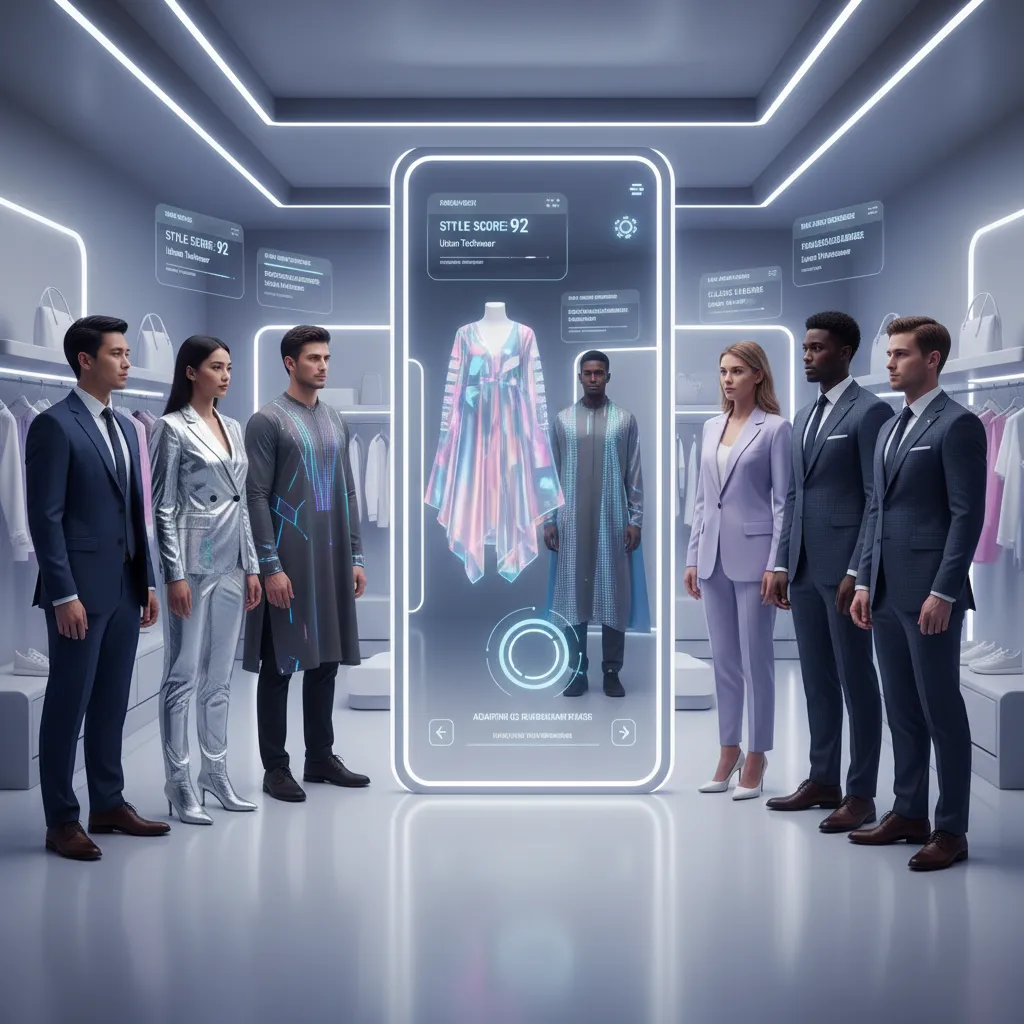
Virtual try-on technology allows you to use your smartphone camera or a smart mirror in-store to see how a garment looks on your body in real time. The AI accurately maps the fabric’s drape and fit to your unique measurements, giving you a realistic preview. This not only boosts consumer confidence but also has a massive impact on AI in retail, reducing waste and improving the overall customer experience. It’s a seamless blend of the digital and physical worlds, making shopping more interactive and fun.
The Smart Wardrobe: Your Closet, Reimagined
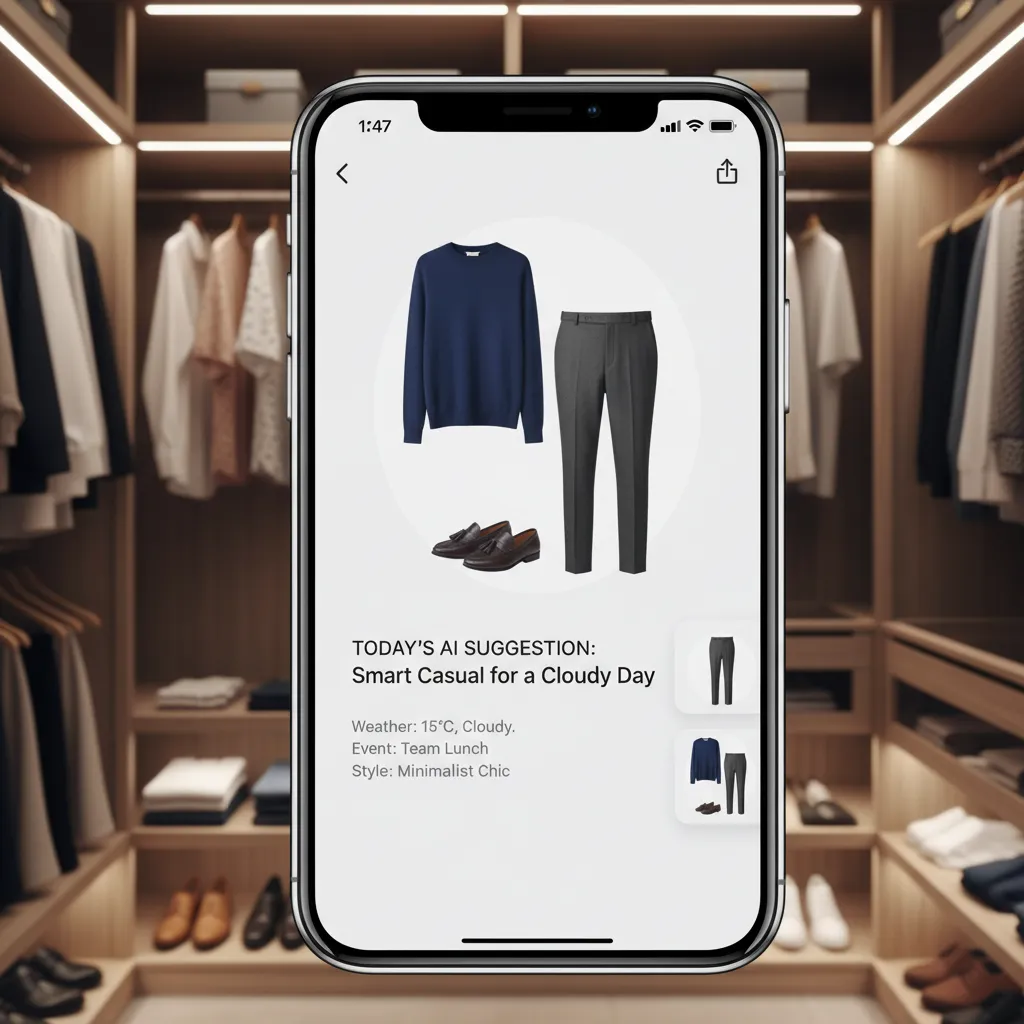
The concept of the smart wardrobe is one of the most practical applications of AI fashion. Using an app, you can digitize every item you own. The AI then becomes your master organizer, a true digital fashion assistant.
Need an outfit for a work event? The AI can suggest several options based on your dress code and the weather. Packing for a trip? It will create a capsule wardrobe to maximize your looks with minimal items. By helping you rediscover and restyle the clothes you already have, the smart wardrobe promotes a more conscious approach to consumption. It’s a powerful tool against fast fashion, encouraging you to buy less and wear more. This shift is particularly resonant with Gen Z fashion tech enthusiasts who prioritize sustainability.
Related: Smart Home Energy Savings: Top Gadgets for Eco-Friendly and Affordable Living
Beyond the Consumer: AI’s Impact on the Fashion Industry
While personalized styling is a game-changer for shoppers, AI’s influence runs much deeper, impacting everything from design conception to supply chain management. Fashion tech startups are leading the charge, disrupting traditional models and building a more intelligent industry.
Designing the Future: AI-Generated Creativity
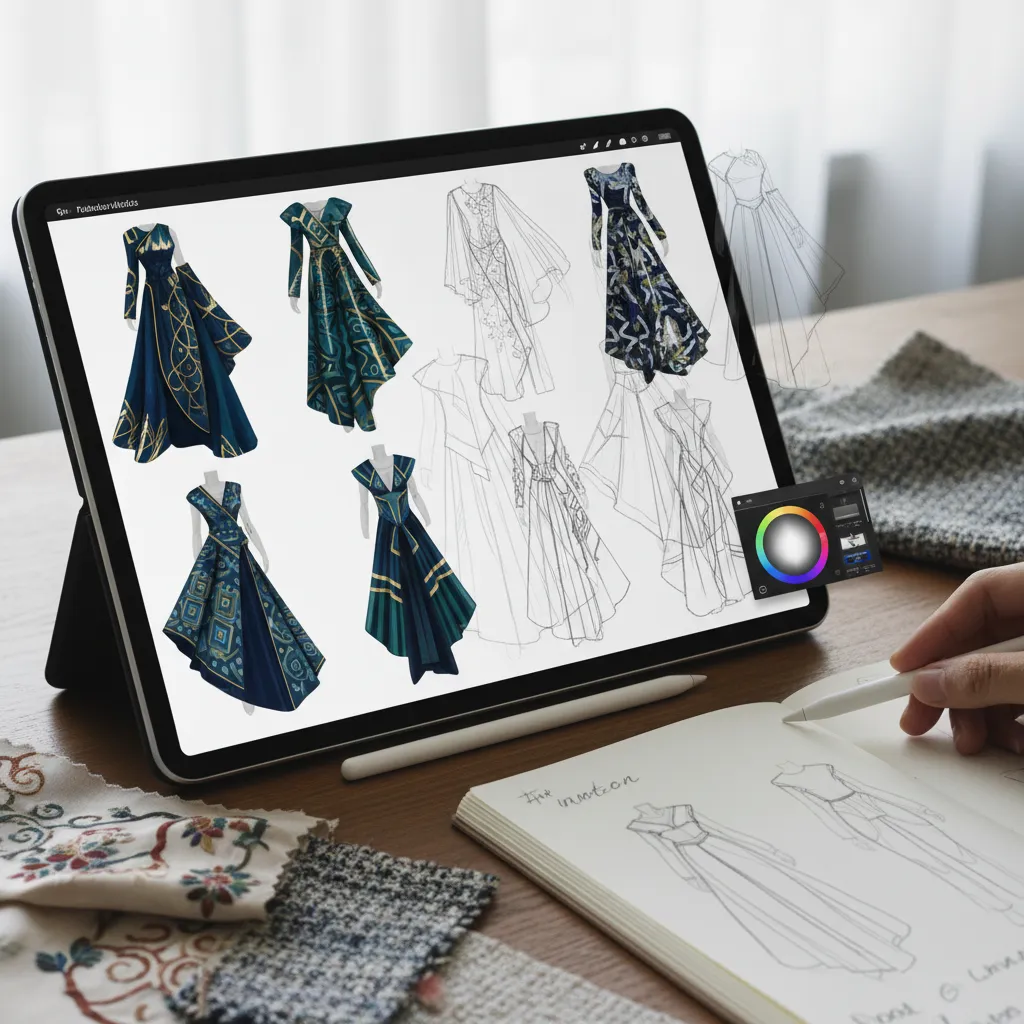
AI is not replacing human designers; it’s augmenting their creativity. AI fashion design tools can analyze thousands of images, patterns, and historical designs to generate novel concepts that a human might never imagine. Designers can input specific parameters—like “a floral print in the style of 1960s psychedelia”—and the AI will produce endless variations.
This technology accelerates the creative process, allowing brands to respond faster to trending styles AI identifies. By using predictive fashion analytics, companies can anticipate what consumers will want next season, reducing the guesswork and financial risk associated with producing new collections. It’s a fusion of human intuition and machine intelligence, pushing the boundaries of what’s possible in design.
A Greener Closet: Sustainable and Ethical AI Fashion
The fashion industry has long been criticized for its environmental footprint. AI offers a path toward a more responsible future. Sustainable fashion AI is a growing field focused on tackling waste and inefficiency at every stage.
Here’s how it helps:
- Demand Forecasting: By accurately predicting which styles and sizes will be popular, AI helps companies avoid overproduction—a major source of waste.
- On-Demand Manufacturing: Some brands are using AI to create clothing only after an order is placed, eliminating excess inventory.
- Supply Chain Optimization: AI can analyze supply chains to identify inefficiencies, reduce carbon emissions from transportation, and even track materials to ensure they are ethically sourced.
This focus on ethical AI fashion is crucial for building trust with modern consumers who demand transparency and sustainability from the brands they support.
Related: AI’s Green Blueprint: A Revolution in Sustainable Urban Planning
The New Retail Landscape: Data-Driven Decisions
For brick-and-mortar and e-commerce stores alike, AI in retail is a necessity. Algorithms now manage everything from inventory levels and pricing strategies to personalized marketing campaigns. When you see an ad for a pair of sneakers you were just looking at, that’s AI at work.
This data-driven approach helps retailers understand their customers on a granular level, leading to more effective marketing and a more satisfying shopping experience. It also allows for dynamic pricing and inventory management, ensuring that popular items are always in stock without creating a surplus of unwanted goods.
The Nuances of AI in Fashion: Challenges and Considerations
While the benefits are immense, the rise of the fashion lifestyle AI is not without its challenges. It’s crucial to approach this technology with a critical eye.
- Data Privacy: The collection of vast amounts of consumer style data raises important privacy questions. Users need to be confident that their information is secure and used responsibly.
- Algorithmic Bias: AI models are trained on existing data. If that data reflects societal biases related to size, race, or gender, the AI can perpetuate them, leading to a less inclusive fashion world. Developers must actively work to create fair and unbiased algorithms.
- The Homogenization of Style: Is there a risk that if we all rely on similar algorithms for style advice, our personal styles will start to look the same? The challenge lies in designing AI that encourages individuality rather than conformity.
Addressing these issues is paramount for the long-term success and acceptance of ethical AI fashion.
Related: What is GPT-4o? The Ultimate Guide to OpenAI’s Real-Time AI Model
What’s Next? The Future of Your AI-Powered Fashion Lifestyle
The integration of AI into our fashion lives is only just beginning. We are on the cusp of even more exciting developments that will further blur the lines between the digital and physical.
We can expect to see deeper integration with wearable tech, where your smartwatch might give you real-time feedback on your outfit. The world of luxury fashion AI will offer truly bespoke services, like AI-designed, custom-fit clothing delivered to your door. For Gen Z fashion tech natives, interacting with an AI stylist will be as natural as scrolling through TikTok.
The future of fashion is intelligent, responsive, and deeply personal. Your AI stylist won’t just be a tool; it will be a creative collaborator that helps you express your identity, make more sustainable choices, and build a wardrobe that you truly love.
Conclusion
The “closet full of clothes, nothing to wear” dilemma may soon be a relic of the past. The AI stylist has arrived, not as a gimmick, but as a transformative force in the world of fashion. From delivering hyper-personalized styling and customized outfits to powering virtual try-on experiences and enabling a more sustainable fashion AI ecosystem, this technology is redefining our entire relationship with what we wear.
By embracing data-driven style and fashion innovation, we are stepping into an era where our clothes are a true extension of our identity. The future of fashion is no longer dictated by runways; it’s co-created by you and your personal digital fashion assistant.
Are you ready to let an AI redefine your wardrobe? The revolution is here, and it’s already in your pocket.
Frequently Asked Questions About AI Stylists
Q1. What is an AI stylist?
An AI stylist is a software application or platform that uses artificial intelligence to provide personalized fashion advice, outfit recommendations, and wardrobe management. It analyzes user data, such as purchase history, style preferences, and existing clothing, to function as a virtual personal shopper.
Q2. How does an AI personal stylist work?
An AI stylist works by processing vast amounts of data through machine learning algorithms. It uses image recognition fashion technology to identify clothing items, predictive fashion analytics to forecast trends, and analyzes your personal consumer style data to learn your unique tastes and create tailored style recommendations.
Q3. Is there an AI that can build a wardrobe for me?
Yes, several AI-powered apps and services can help you build a wardrobe. These platforms, often called smart wardrobe apps, can digitize your existing clothes and suggest new purchases that complement what you already own, helping you create a cohesive and versatile collection based on your budget and style goals.
Q4. How is AI impacting the fashion industry?
AI is revolutionizing the fashion industry from top to bottom. It’s enabling AI fashion design, optimizing supply chains for sustainability, powering virtual try-on technology in retail, and providing brands with deep insights into consumer behavior to reduce overproduction and waste.
Q5. Can AI predict fashion trends?
Yes, AI is highly effective at predicting fashion trends. By analyzing data from social media, runway shows, and online shopping behavior, fashion forecast AI algorithms can identify emerging patterns, colors, and silhouettes long before they become mainstream, giving brands a significant competitive advantage.
Q6. What are the benefits of using a virtual stylist?
The main benefits include receiving hyper-personalized styling advice 24/7, discovering new ways to wear your existing clothes, saving time and money by making smarter purchasing decisions, and reducing fashion waste by avoiding impulse buys. It makes personal styling accessible and affordable for everyone.