Unlocking Calm: How AI Tools Revolutionize Stress Reduction & Mental Resilience

In our hyper-connected, always-on world, stress and burnout have become unwelcome companions for millions. The relentless pace of modern life often leaves our mental resources depleted, making genuine calm feel like a luxury. Traditional support systems, while valuable, can be constrained by cost, accessibility, and stigma. But what if your most powerful ally in the fight against stress was already in your pocket?
Enter the era of mental wellness AI. Artificial intelligence is no longer just a buzzword from science fiction; it’s a transformative force creating a new frontier of digital mental health solutions. From AI-powered apps that guide you through a panic attack to wearable devices that track your stress levels in real-time, this emerging technology is making mental well-being more personalized, accessible, and proactive than ever before.
This article explores the groundbreaking world of AI stress reduction. We’ll dive deep into how these intelligent systems work, the different types of AI mental well-being tools available, and how they are not just helping us cope but actively building our long-term mental resilience. Get ready to discover how the future of mental health AI is unlocking a calmer, more balanced you.
The Silent Epidemic: Why Traditional Stress Management Needs a Tech-Infused Upgrade
Stress isn’t just a feeling; it’s a global health crisis. According to the American Institute of Stress, over 77% of people experience stress that affects their physical health. The consequences range from chronic fatigue and sleep disruption to severe anxiety and burnout, costing the global economy trillions in lost productivity.
For decades, the primary solutions have been therapy, medication, and self-guided practices like meditation. While incredibly effective, they face significant hurdles:
- Accessibility: Finding a qualified therapist can be difficult and expensive, with long waiting lists in many areas.
- Stigma: Despite progress, many people still feel hesitant to seek help for mental health challenges.
- Timing: A moment of high anxiety rarely waits for a scheduled weekly appointment. Immediate support is often unavailable.
- One-Size-Fits-All: Generic advice or meditation practices may not resonate with an individual’s specific triggers or lifestyle.
This is precisely where stress management tech offers a revolutionary alternative. It bridges the gaps, providing on-demand, private, and highly personalized support, fundamentally changing the landscape of self-care and mental fitness.
The New Frontier of Calm: How Does AI Actually Reduce Stress?
The magic of AI solutions for stress lies in their ability to learn, adapt, and personalize interventions at a scale previously unimaginable. They move beyond static content to create dynamic, interactive experiences. Here’s a look at the core mechanisms driving this mental health innovation.
Personalized Pathways: The Power of Data-Driven Insights
At its heart, personalized mental health AI acts as a data scientist for your well-being. By analyzing inputs like mood journal entries, sleep data from your smartwatch, and even the sentiment in your text, these systems identify patterns and triggers you might not see yourself.
An AI self-care app won’t just suggest a generic breathing exercise. It might notice that your stress levels spike on Sunday evenings and proactively offer a guided meditation specifically for pre-week anxiety. This data-driven approach ensures that the support you receive is relevant, timely, and effective for your unique brain. This is the core of building genuine AI for resilience.
Accessible Support, 24/7: The Rise of AI Emotional Support
One of the most powerful applications of AI is in natural language processing (NLP), which powers a new generation of empathetic chatbots and virtual mental health coaches. These tools provide a confidential, non-judgmental space to talk through your feelings anytime, anywhere.

Whether it’s 3 AM and you’re consumed by worry or you need to vent for five minutes between meetings, these AI companions are always available. They offer a form of AI emotional support that can de-escalate anxiety in the moment, helping you reframe negative thoughts and practice coping mechanisms.
Related: The GPT-4o Multimodal Revolution Is Here
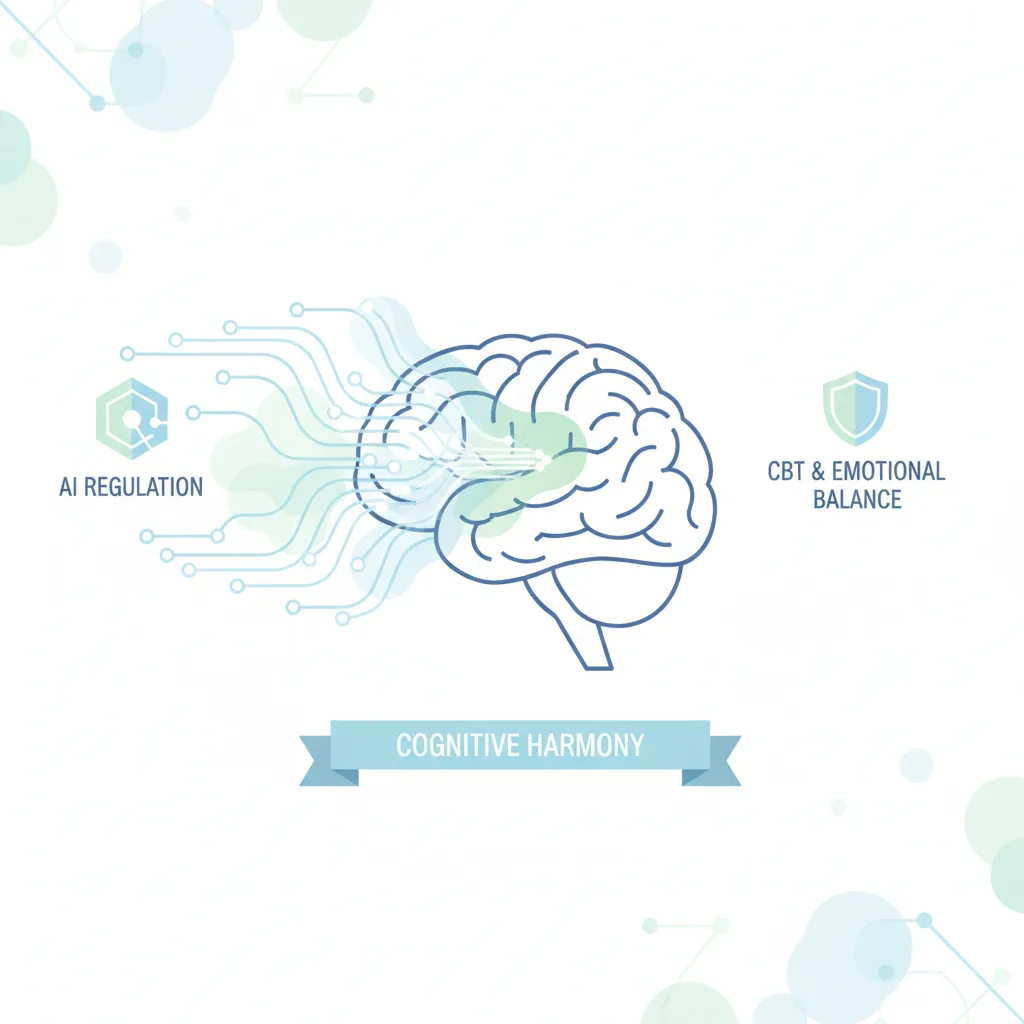
Re-wiring Responses: AI-Powered Cognitive Behavioral Therapy (CBT)
Cognitive Behavioral Therapy (CBT) is a clinically proven method for managing anxiety and stress by identifying and changing negative thought patterns. Traditionally delivered by therapists, cognitive behavioral therapy AI is now making this powerful technique more accessible.
AI-driven platforms can guide users through structured CBT modules, helping them recognize cognitive distortions and practice healthier responses. The AI can track progress, provide interactive exercises, and adapt the program based on user feedback, essentially democratizing access to gold-standard psychological tools. This is a prime example of AI being used for effective AI for emotional regulation.
A Tour of Your Digital Zen Garden: Types of AI Mental Well-being Tools
The ecosystem of AI psychological tools is expanding rapidly. From simple mindfulness timers to sophisticated biofeedback systems, there’s a tool for nearly every need and preference.
Intelligent Mindfulness & Meditation Apps
Apps like Calm and Headspace have moved beyond simple libraries of audio files. They now leverage AI to personalize your experience. These AI mindfulness apps can:
- Recommend specific AI guided meditation sessions based on your stated mood (e.g., “anxious,” “unfocused,” “sad”).
- Adjust session lengths and themes based on your listening history.
- Create dynamic soundscapes that adapt to your environment or time of day.
- Send smart, context-aware reminders to help you build a consistent practice.
AI-Powered Chatbots & Virtual Companions
Chatbots like Wysa and Woebot are leaders in the AI therapy apps space. They use sophisticated conversational AI to:
- Engage users in “talk therapy” sessions.
- Teach CBT and Dialectical Behavior Therapy (DBT) techniques.
- Monitor mood over time and provide insightful summaries.
- Offer crisis support resources when needed. These AI emotional wellness platforms are proving to be powerful tools for daily mental maintenance and emotional processing.
Biofeedback & Wearable Technology
This is where stress relief technology gets tangible. Modern wearables like the Apple Watch, Whoop, and Oura Ring are packed with sensors that monitor physiological signs of stress, such as:
- Heart Rate Variability (HRV): A key indicator of your nervous system’s resilience.
- Skin Temperature & Electrodermal Activity: Measures the “fight or flight” response.
- Respiratory Rate: Tracks changes in your breathing patterns.

These biofeedback AI devices don’t just collect data; they use AI to interpret it. Your device might send a notification saying, “Your stress levels seem high. Would you like to try a 2-minute breathing exercise?” This proactive intervention can stop a stress cycle before it spirals, making it a powerful tool for stress coping mechanisms AI.
Related: The Humane AI Pin: The Truth Behind the Hype
AI for Sleep Improvement: Restoring the Foundation of Resilience
Quality sleep is the bedrock of mental health, and it’s often the first casualty of stress. AI for sleep improvement tools analyze your sleep stages, movements, and environmental factors (like temperature and sound) to provide actionable advice. Instead of generic tips, an AI sleep coach might tell you, “You got less REM sleep last night after your late-night workout. Try exercising earlier to improve sleep quality.” This level of personalization is key to restoring your body’s natural resilience.
Beyond Individual Calm: AI’s Role in Workplace Wellness & Burnout Prevention
The impact of mental wellness AI extends beyond personal use. Forward-thinking companies are now implementing AI workplace wellness programs to combat employee burnout and foster a healthier work environment.
This burnout prevention AI can take several forms:
- Anonymous Sentiment Analysis: AI tools can analyze anonymized communication data (like Slack channels) to gauge overall team morale and identify early signs of widespread burnout without targeting individuals.
- Smart Scheduling Tools: AI can integrate with calendars to suggest “focus time,” encourage taking breaks, and prevent a culture of back-to-back meetings.
- Corporate Wellness Platforms: Companies can offer subscriptions to AI mental well-being tools as part of their benefits package, giving employees confidential and immediate access to support.

By making mental health support a proactive and integrated part of the workflow, organizations can build a more resilient and productive workforce.
Related: Is AI a Threat or Tool for Creative Jobs in 2024?
The Human Element: Navigating the Ethics and Limitations of AI in Mental Health
While the potential is immense, it’s crucial to approach smart mental health tech with a clear-eyed view of its limitations and ethical challenges.
The Privacy Paradox
These tools function by collecting some of the most sensitive data imaginable. It is paramount that users choose platforms with robust, transparent privacy policies. Questions to ask include: Is my data anonymized? Is it encrypted? Is it being sold to third parties? Regulation is still catching up, so user diligence is key.
The Empathy Gap
While emotional intelligence AI is becoming more sophisticated, it does not feel or possess consciousness. It simulates empathy based on patterns in data. An AI chatbot cannot replace the genuine human connection, intuition, and shared experience offered by a human therapist. It is a powerful tool, not a replacement.
Risk of Over-Reliance
There’s a risk that users might rely solely on an app and avoid seeking professional help when it’s truly needed. Reputable AI therapy apps are designed to be a first line of support and include clear signposting to human therapists and crisis hotlines for more serious conditions.
The Future of Mental Health AI: What’s Next on the Horizon?
We are only at the beginning of this revolution. The future of mental health AI promises even more integrated and immersive solutions. We can expect to see:
- Hyper-Personalization: AI that integrates genetic data, lifestyle factors, and real-time biometric markers to create truly bespoke mental wellness plans.
- VR/AR Therapy: AI-driven virtual reality environments for exposure therapy (e.g., fear of flying, public speaking) and immersive mindfulness experiences.
- Advanced Digital Phenotyping: AI that can detect subtle changes in your typing speed, tone of voice, and facial expressions to identify mental health shifts before you’re even consciously aware of them.
Related: OpenAI’s Sora and the Future of AI Video
Conclusion: Your Personal Co-Pilot for a Calmer Mind
Artificial intelligence is not a panacea for the world’s stress problem, but it represents one of the most significant leaps forward in mental healthcare in decades. By delivering personalized, on-demand, and data-driven support, AI stress reduction tools are empowering millions to take control of their mental well-being.
From AI mindfulness apps that guide you back to the present moment to biofeedback AI devices that teach you to regulate your nervous system, this technology is building a new ecosystem of care. It’s a future where support isn’t just something you seek out in a crisis, but a constant, gentle co-pilot helping you navigate the complexities of life with greater calm and resilience.
The key is to view these innovations as powerful supplements, not replacements, for human connection and professional expertise. By embracing the best of both worlds, we can unlock a new era of mental fitness and truly revolutionize the way we manage stress.
What are your thoughts on using AI for mental wellness? Have you tried any of these tools? Share your experiences and insights in the comments below!
Frequently Asked Questions (FAQs)
Q1. What is AI in mental healthcare?
AI in mental healthcare refers to the use of artificial intelligence technologies like machine learning and natural language processing to develop digital mental health solutions. These tools, such as therapy chatbots, personalized mindfulness apps, and wearable stress monitors, aim to provide accessible, scalable, and data-driven support for mental well-being.
Q2. How can AI help with anxiety?
AI provides AI anxiety relief in several ways. AI-powered chatbots offer 24/7 emotional support, allowing users to talk through anxious thoughts. Many apps use cognitive behavioral therapy AI to teach users how to identify and reframe negative thought patterns. Additionally, biofeedback AI devices can detect physiological signs of rising anxiety and prompt the user to perform calming exercises.
Q3. Are AI therapy bots effective?
Studies have shown that for mild to moderate symptoms of anxiety and depression, AI therapy bots can be highly effective. They excel at delivering structured CBT exercises and providing a consistent, non-judgmental space for users. However, they are not a replacement for human therapists, especially for complex or severe mental health conditions.
Q4. What is personalized mental health AI?
Personalized mental health AI is a system that tailors its support to an individual’s unique needs. It analyzes user data—such as mood logs, sleep patterns, and journal entries—to identify specific triggers and patterns. Based on this analysis, it provides customized recommendations, exercises, and insights, making interventions more relevant and effective than generic advice.
Q5. Can AI replace human therapists?
No, AI is not intended to replace human therapists. It should be viewed as a valuable tool that can augment and support traditional therapy. AI can provide in-the-moment support between sessions, make therapy techniques more accessible, and handle lower-acuity needs. The empathy, intuition, and complex reasoning of a human therapist remain irreplaceable.
Q6. What are the ethical concerns of using AI for mental health?
The primary ethical concerns involve data privacy, security, and the potential for algorithmic bias. Ensuring that sensitive mental health data is protected is crucial. There’s also the concern of over-reliance on technology and the risk of misdiagnosis. It is vital for developers to be transparent and for users to understand that AI is a supportive tool, not a clinical diagnostician.