AI Revolutionizes Chronic Disease: Personalized Treatment for a Healthier Future

Introduction
Chronic diseases—a relentless tide of conditions like diabetes, heart disease, and cancer—affect billions of people worldwide. They represent one of the most significant challenges to modern healthcare, demanding constant management, draining resources, and diminishing quality of life. For decades, the approach has been largely reactive and one-size-fits-all. But what if we could shift from reacting to predicting? From generic treatments to hyper-personalized therapies? This is not a far-off dream; it’s the reality being built today by Artificial Intelligence.
The integration of AI in chronic disease management is sparking a revolution, transforming a landscape of uncertainty into one of proactive, data-driven care. By harnessing the power of machine learning, predictive analytics, and real-time data, we are moving toward an era of personalized medicine for AI chronic conditions. This article explores how AI is not just an incremental improvement but a fundamental paradigm shift in how we understand, manage, and ultimately conquer chronic illness. We’ll dive into how AI healthcare chronic illness strategies are creating a healthier future, one person at a time.
The Old Model vs. The New: Why Chronic Care Desperately Needs an AI Upgrade
Traditionally, managing a chronic condition involves periodic doctor visits, manual data tracking (like blood sugar logs), and treatment plans based on broad population studies. This model is fraught with challenges:
- Reactive Care: Treatment often begins only after symptoms become severe.
- Generic Plans: Therapies are not tailored to an individual’s unique genetic makeup, lifestyle, or environment.
- Data Gaps: Clinicians only get a small snapshot of a patient’s health during infrequent appointments.
- Patient Burden: The onus of daily management falls heavily on the patient, often leading to burnout and non-adherence.
This reactive system is inefficient and often fails to prevent disease progression. AI flips this model on its head, enabling a system that is predictive, personalized, proactive, and participatory. It’s a core component of the broader digital health chronic care movement, aiming for better outcomes through smarter technology.
From Reactive to Predictive: How AI Rewrites the Rules of Healthcare
The true power of AI in medicine lies in its ability to analyze vast, complex datasets at speeds no human ever could. This capability is the engine behind the shift from a reactive to a proactive healthcare model, focusing on prevention and early intervention.
Predictive Analytics: Seeing Disease Before It Strikes
Imagine knowing your risk of a heart attack years before it happens. This is the promise of predictive analytics in chronic disease. AI algorithms can sift through electronic health records (EHR), genetic information, lifestyle data from wearables, and even social determinants of health to identify subtle patterns that signal future health problems.
For example, AI for heart disease prediction models can analyze an ECG with greater accuracy than many trained cardiologists, flagging early signs of atrial fibrillation or other arrhythmias. By identifying high-risk individuals early, healthcare providers can implement AI-driven preventative care strategies, like lifestyle modifications or early medication, preventing the disease from ever taking hold.
Precision Medicine and Genomic Insights: Treatment Tailored to Your DNA
We are all unique, and so are our diseases. Precision medicine AI for chronic disease acknowledges this by tailoring treatment to an individual’s specific characteristics, including their genetic code. AI is indispensable here, as it can analyze a person’s entire genome to find specific biomarkers that influence disease.
This is particularly transformative in cancer treatment. AI in oncology personalized treatment allows doctors to move beyond standard chemotherapy for everyone. Instead, AI can analyze a tumor’s genetic mutations and predict which specific targeted therapy will be most effective, minimizing side effects and dramatically improving success rates. These genomic insights for personalized medicine ensure the right patient gets the right drug at the right time.
AI Decision Support for Clinicians
AI isn’t here to replace doctors; it’s here to supercharge them. AI decision support for chronic conditions acts as a brilliant co-pilot for healthcare professionals. These systems integrate patient data, medical history, and the latest clinical research to provide real-time recommendations. For a doctor managing dozens of patients with complex conditions, an AI can flag a patient whose vitals are trending downward, suggest a medication adjustment based on new genetic data, or highlight a potential drug interaction, freeing up the clinician to focus on the human side of care. Related: AI in Healthcare: Revolutionizing Medicine and Patient Care
Real-Time Monitoring: The 24/7 Guardian Angel
One of the biggest limitations of traditional chronic care is the lack of continuous insight into a patient’s condition. AI-powered monitoring changes this, creating a constant feedback loop between patient and provider.
Wearable Tech and the Internet of Things (IoT)
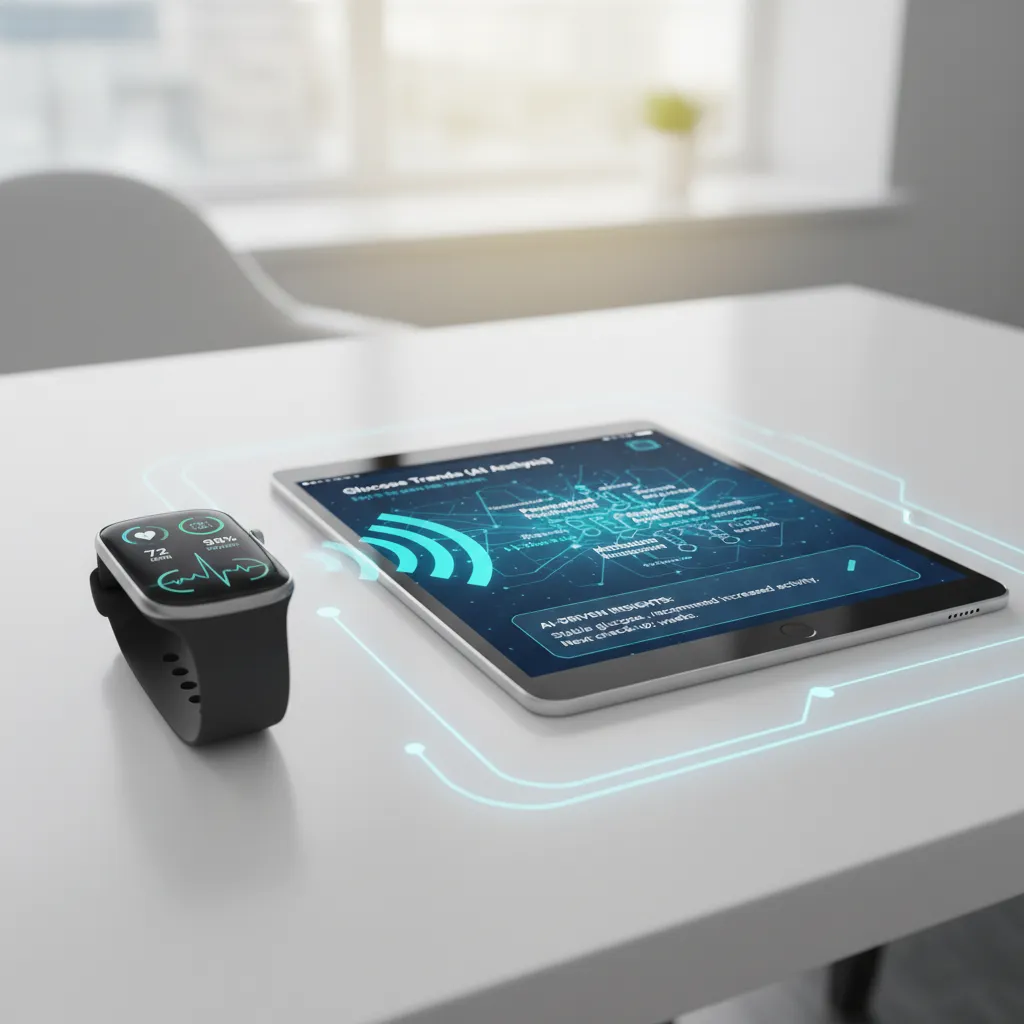
The explosion of wearable tech for chronic disease—smartwatches, continuous glucose monitors (CGMs), smart scales, and even smart clothing—generates a torrent of real-time health data. An AI platform can collect and analyze this data to:
- Detect Anomalies: Instantly spot a dangerous drop in blood sugar for a diabetic patient.
- Track Trends: Monitor how a new medication is affecting a patient’s blood pressure over weeks.
- Provide Alerts: Notify both the patient and their care team of a potential issue, enabling immediate intervention.
This ecosystem of smart health chronic disease management turns a patient’s home into a hub of proactive health monitoring, a concept that integrates seamlessly with the rise of the AI smart home.
Remote Patient Monitoring (RPM) and Telemedicine
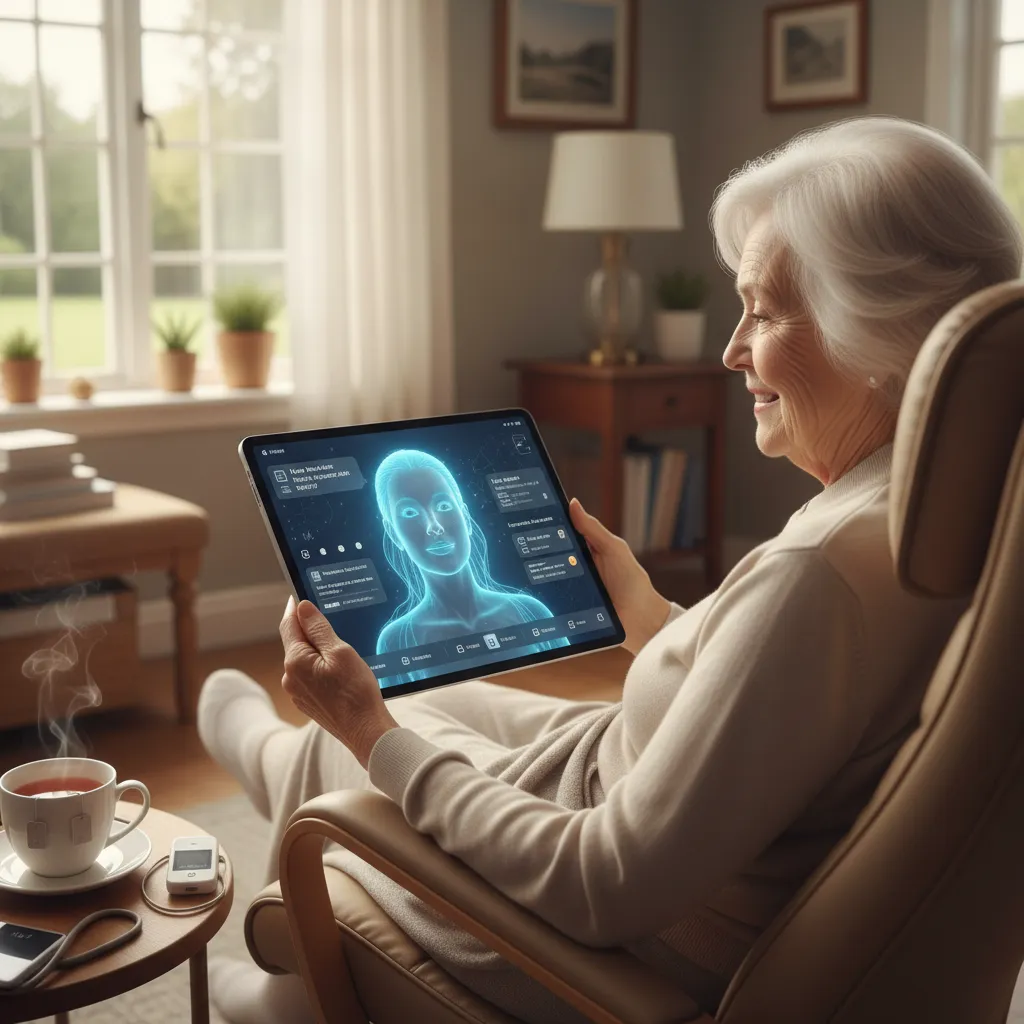
Remote patient monitoring (RPM) with AI takes this a step further. It allows providers to manage patients from a distance, which is especially crucial for AI for elderly chronic care and for those in rural areas. Through telemedicine AI chronic care, a patient can have a virtual check-up where the provider has access to weeks of AI-analyzed health data, leading to a much more informed and effective consultation.
AI in Action: Transforming Key Chronic Conditions
The theoretical benefits are impressive, but the real-world applications are where AI’s impact truly shines.
Diabetes: Taming Blood Sugar with Smart Algorithms
AI for diabetes management is one of the most mature applications. “Closed-loop” systems, often called an artificial pancreas, use a CGM to continuously track glucose levels. An AI algorithm then predicts where the levels are heading and automatically adjusts insulin delivery through a pump. This technology is life-changing, reducing the constant mental burden of carbohydrate counting and manual injections. Furthermore, AI nutrition chronic disease apps can analyze a photo of a meal, estimate its nutritional content, and advise on the appropriate insulin dose.

Mental Health & Chronic Pain: A New Frontier
Chronic illness often comes with a heavy psychological toll. AI mental health chronic illness tools are emerging to provide crucial support. AI-powered chatbots offer 24/7 cognitive behavioral therapy (CBT) and emotional support, filling critical gaps in mental healthcare access. Similarly, chronic pain management AI can help by analyzing data from wearables to identify triggers that worsen pain. It can then suggest personalized interventions, such as mindfulness exercises, specific stretches, or adjustments in activity levels.
Medication Adherence and Precision Dosing
A staggering number of patients with chronic conditions don’t take their medication as prescribed. AI drug adherence chronic patients solutions tackle this with smart pill bottles, personalized reminders, and even virtual assistants that check in with patients. Beyond adherence, AI precision dosing chronic medication algorithms can analyze a patient’s metabolism, genetics, and other factors to calculate the perfect dose, maximizing efficacy while minimizing side effects. Related: AI Healthcare Revolution: Diagnostics, Treatment & Patient Care
Navigating the Hurdles: Challenges of AI in Personalized Medicine
While the potential is immense, the road to widespread AI adoption in healthcare is not without obstacles. These challenges of AI in personalized medicine must be addressed responsibly.
- Data Privacy and Security: Medical data is incredibly sensitive. Ensuring its security and protecting patient privacy is paramount.
- Algorithmic Bias: If an AI model is trained on data from one demographic, it may not perform accurately for others, potentially worsening health disparities. Addressing and mitigating bias is a key part of ethical AI chronic disease development.
- The “Black Box” Problem: Some complex AI models are “black boxes,” meaning even their creators don’t know exactly how they arrive at a conclusion. For high-stakes medical decisions, transparency and interpretability are crucial.
- Regulatory Hurdles & Integration: Gaining FDA or other regulatory approval for medical AI is a complex process. Furthermore, integrating these new tools into existing hospital IT systems and clinical workflows is a massive logistical challenge.

The Future of Chronic Disease Management is Intelligent
The convergence of AI with genomics, IoT, and digital therapeutics is paving the way for a healthcare system that is truly predictive and personalized. The future of chronic disease management will be defined by continuous, passive monitoring, preventative interventions triggered by AI, and treatments tailored to our unique biology.
This isn’t just about managing sickness better; it’s about fostering wellness. The ultimate goal of AI in preventative health is to keep people out of the hospital in the first place, extending not just lifespan but “healthspan”—the years we live in good health. As AI models become more sophisticated and data becomes more integrated, we will unlock new levels of understanding about disease, leading to a brighter, healthier future for all. Related: The AI-Powered Preventative Health and Longevity Revolution
Conclusion: A New Partnership for Health
The rise of AI in chronic care is not a story of technology replacing humanity. It is the story of a powerful new partnership. By delegating the immense task of data analysis and pattern recognition to machines, we empower doctors, nurses, and caregivers to focus on what they do best: providing compassionate, empathetic, and uniquely human care.
The journey has just begun, but the trajectory is clear. The fusion of artificial intelligence and healthcare is our best hope for turning the tide against chronic disease. It offers a future where treatment is not just a prescription but a personalized blueprint for a longer, healthier life, making the benefits of AI in chronic care a reality for millions.
Frequently Asked Questions (FAQs)
Q1. How is AI used to manage chronic diseases?
AI is used in several key ways: it powers predictive analytics to forecast disease risk, enables personalized treatment plans based on genetics and lifestyle, facilitates real-time patient monitoring through wearable devices, and provides decision support to clinicians to help them make more informed choices.
Q2. What is an example of AI in personalized medicine for chronic conditions?
A great example is in oncology. AI can analyze the genetic makeup of a patient’s tumor and compare it against vast databases of cancer data and treatment outcomes. It can then recommend a specific targeted drug therapy that is most likely to be effective for that individual’s unique cancer, a core principle of precision medicine AI chronic disease treatment.
Q3. Can AI predict chronic diseases?
Yes, this is one of AI’s most powerful capabilities. By analyzing electronic health records, lab results, and data from wearables, machine learning chronic disease treatment models can identify individuals at high risk for developing conditions like Type 2 diabetes or heart failure long before clear symptoms appear, enabling early preventative action.
Q4. What are the main benefits of AI in chronic care?
The primary benefits include a shift from reactive to proactive care, highly personalized and more effective treatments, continuous AI patient monitoring chronic conditions which reduces hospitalizations, improved medication adherence, and the empowerment of both patients and healthcare providers with data-driven insights.
Q5. How does AI help with remote patient monitoring?
AI acts as the brain for remote patient monitoring systems. It continuously analyzes the data streams from a patient’s at-home devices (like blood pressure cuffs or glucose monitors). It can distinguish between normal fluctuations and early warning signs of a problem, automatically alerting the care team to intervene before the issue becomes critical.
Q6. What are the ethical challenges of using AI in healthcare?
The main ethical concerns revolve around data privacy, the potential for algorithmic bias to perpetuate health disparities, ensuring patient consent is properly handled, and maintaining transparency in how AI models make decisions. Establishing strong governance and ethical AI chronic disease frameworks is crucial.