AI-Powered Urban Farming: Grow Smarter, Live Greener
Introduction
In our rapidly expanding cities, the journey from farm to table is often a long and complicated one. The demand for fresh, nutritious food is soaring, yet the space to grow it is shrinking. This modern dilemma has sparked a green revolution, not in sprawling country fields, but on our balconies, rooftops, and even our kitchen countertops. This is the world of urban farming, and it’s getting a supercharged upgrade from Artificial Intelligence.
Welcome to the era of AI urban farming, where data science meets horticulture to create a future of sustainable, hyper-local food production. Forget guessing games about watering schedules or mysterious wilting leaves. We’re talking about smart indoor gardening systems that act as a digital green thumb, nurturing plants with perfect precision. This isn’t science fiction; it’s the next step in our relationship with food and technology.
In this comprehensive guide, we’ll explore how AI is transforming urban agriculture, from large-scale vertical farming AI operations to the automated gardening systems you can set up in your own home. You will learn about the core technologies driving this change, the incredible benefits of growing smarter, and how you can become part of this movement toward a greener, more self-sufficient lifestyle.
The Concrete Jungle Gets a Green Upgrade: What is AI Urban Farming?
At its core, urban farming is simply the practice of cultivating, processing, and distributing food in or around urban areas. It can be a community garden on a vacant lot, a high-tech vertical farm in a warehouse, or an indoor herb garden AI system on your window sill.
So, where does AI fit in?
Artificial Intelligence introduces a layer of intelligence and optimization that traditional methods can’t match. It’s not just about setting timers; it’s about creating responsive, learning ecosystems. AI-powered urban farming uses a network of sensors, cameras, and machine learning algorithms to monitor and manage every aspect of a plant’s life cycle in real-time.
Think of it as the ultimate plant care expert, available 24/7. It analyzes data on light, water, humidity, and nutrient levels, making micro-adjustments to create the perfect growing environment. This is precision agriculture home-style, a system that moves beyond simple automation to genuine, data-driven optimization. This synergy between nature and code is foundational to building sustainable cities. Related: AI’s Green Blueprint: Revolutionizing Sustainable Urban Planning
The Brains Behind the Bloom: How AI Revolutionizes Home Gardening
The true magic of AI in this space is its ability to translate complex environmental data into simple, actionable insights and automated responses. It takes the guesswork out of gardening, making it accessible to everyone, regardless of experience or space.
Intelligent Plant Monitoring: The Digital Green Thumb
The foundation of any smart garden is data. AI systems use a suite of sensors to gather a constant stream of information about the growing environment, far beyond what the human eye can perceive.
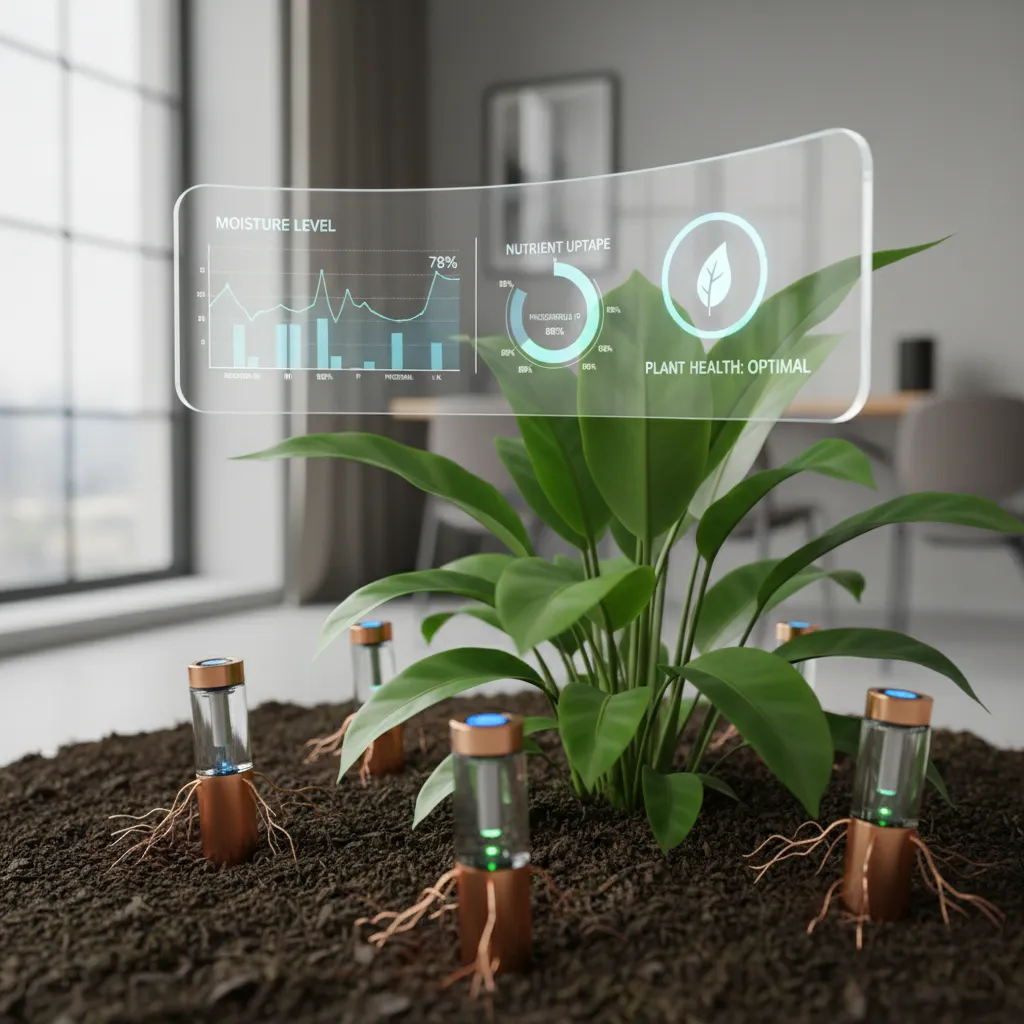
- Environmental Sensors: These IoT gardening devices constantly measure ambient temperature, humidity, and CO2 levels.
- Soil/Water Sensors: In soil-based or hydroponic systems, sensors track moisture levels, pH balance, and Electrical Conductivity (EC) to gauge nutrient concentration.
- Computer Vision: This is a game-changer. High-resolution cameras monitor plants for subtle changes in color, texture, and growth patterns. An AI algorithm can perform AI pest detection plants at the earliest stage or diagnose a nutrient deficiency from a slight yellowing of a leaf long before a human would notice. This proactive approach to AI plant care prevents problems before they can escalate.
Precision Agriculture on Your Countertop
Armed with this data, the AI can control the hardware of the gardening system with incredible precision, ensuring plants get exactly what they need, precisely when they need it.
- AI Controlled Grow Lights: Advanced LED systems don’t just turn on and off. AI can adjust the light spectrum and intensity throughout the day to mimic a plant’s natural solar cycle, optimizing it for vegetative growth or flowering. This is crucial for AI optimized growing.
- Automated Nutrient and Water Delivery: Instead of a fixed watering schedule, an AI system irrigates based on real-time moisture data, preventing both over and under-watering. In smart hydroponic systems, AI manages the nutrient mix, delivering personalized plant nutrition tailored to the specific plant type and its current growth stage. This level of control is a core principle of water saving gardening AI.
Predictive Analytics: From Seeding to Harvest
Perhaps the most futuristic aspect of AI farming is its predictive power. By analyzing data from thousands of growth cycles, machine learning models can forecast future outcomes. The system can:
- Predict optimal harvest times with high accuracy.
- Estimate future yield based on current growth rates.
- Alert you to potential issues, like a future nutrient imbalance, based on developing trends.
- Optimize resource consumption by predicting future needs for water and energy.
This foresight allows for unparalleled efficiency and planning, ensuring a successful and abundant harvest. It’s a powerful tool for anyone interested in achieving self-sufficient living AI.
Key Technologies Shaping the Smart Garden Revolution
The smart garden technology landscape is a convergence of several cutting-edge fields. Understanding these components helps demystify how these intelligent systems operate.
IoT Gardening Devices: The Connected Ecosystem
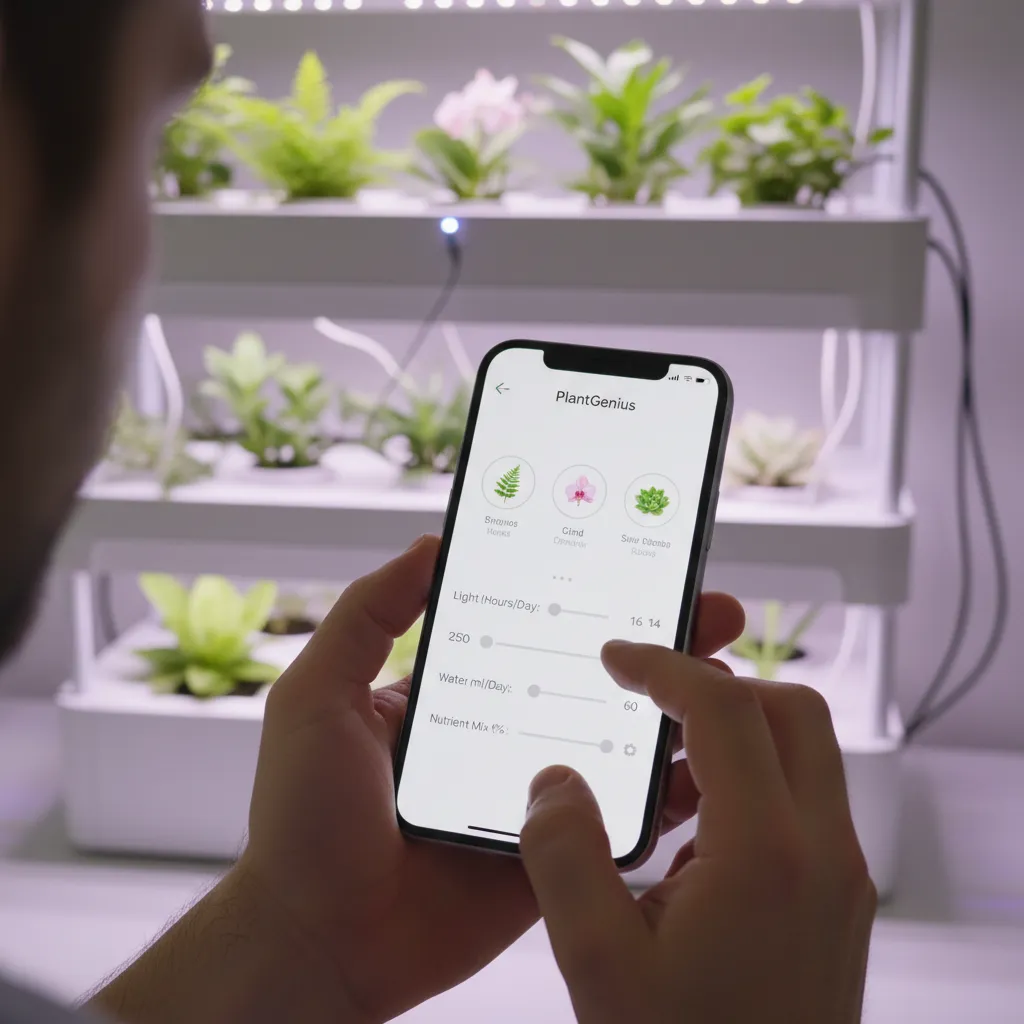
The Internet of Things (IoT) is the physical network of the smart garden. It consists of all the interconnected hardware: sensors, cameras, smart plugs, automated pumps, and LED lights. These devices communicate with each other and with a central control unit (or your smartphone app), forming a cohesive, responsive ecosystem that brings the digital intelligence of AI into the physical world.
Machine Learning and Computer Vision
Machine learning (ML) is the engine that processes the data collected by IoT devices. ML algorithms are trained on vast datasets of plant images and environmental information. This training enables them to:
- Identify Patterns: Recognize the visual signatures of specific pests, diseases, or deficiencies.
- Learn and Adapt: The system gets smarter over time. If a particular light cycle leads to better basil growth, the algorithm learns this and adjusts its recommendations.
- Power Personalization: It’s this learning ability that allows for truly customized gardening experiences, adapting to the unique conditions of your home and your specific plants. This is a form of personalized education that mirrors innovations in other fields. Related: AI in Education: Revolutionizing Personalized Learning & Future Skills
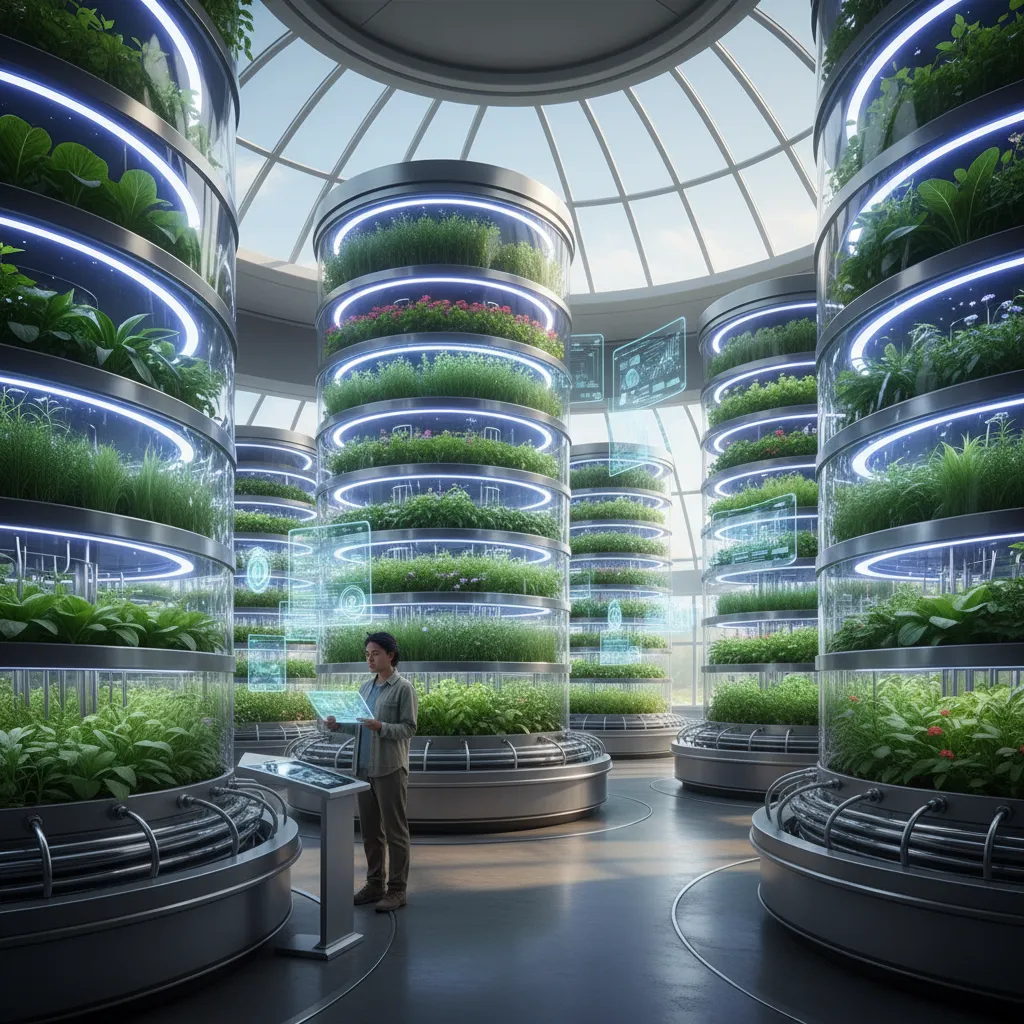
Vertical Farming and AI: Growing Up, Not Out
For those with limited floor space, vertical farming is the ultimate urban farming solution. By stacking growing layers vertically, these systems can produce an incredible amount of food in a tiny footprint. However, managing the micro-climates of multiple layers is incredibly complex.
This is where vertical farming AI shines. AI algorithms are essential for managing the intricate balance of light, airflow, and nutrient delivery across different levels, ensuring every plant thrives. This makes it a perfect technology for small space gardening AI, turning a small corner of an apartment into a productive miniature farm.
The Tangible Benefits of an AI-Powered Harvest
Adopting smart garden technology isn’t just a fun novelty; it offers profound benefits for your wallet, your health, and the planet.
Unprecedented Efficiency and Yield
- Higher Yields: Optimized growing conditions mean healthier plants that produce more, faster. Studies have shown vertical farms can be over 100 times more productive per square foot than traditional farms.
- Resource Conservation: Smart hydroponic systems can use up to 95% less water than soil-based agriculture. AI controlled grow lights and climate systems minimize energy waste by operating only when needed.
- Reduced Waste: By growing what you need right at home, you drastically cut down on food spoilage and waste associated with the long-distance food supply chain.
Sustainability and Eco-Friendly Living
Growing your own food with AI is a powerful step towards a more sustainable lifestyle.
- Food Miles Eliminated: Your food’s commute is measured in steps, not miles, significantly reducing your carbon footprint.
- Pesticide-Free Produce: The controlled environment and early AI pest detection plants capabilities often eliminate the need for chemical pesticides and herbicides.
- Contribution to a Greener City: On a larger scale, urban agriculture technology helps reduce the urban heat island effect, improves biodiversity, and contributes to more resilient local food systems. This aligns with a broader push for sustainable innovation. Related: AI for Sustainable Fashion: The Eco-Chic Future
Accessibility and Personalized Gardening
Perhaps the greatest benefit is democratization. AI plant care makes successful gardening accessible to anyone.
- No Experience Needed: The system handles the complexities, guiding you with simple alerts and recommendations on your phone.
- Grows Anywhere: Lack of a backyard is no longer a barrier. Balconies, kitchens, and living rooms can all become productive gardens.
- Food Security and Connection: Growing your own food provides a deep sense of security and a connection to what you eat. It’s an incredibly rewarding experience for individuals and families.
From Rooftops to Balconies: Real-World Applications
AI-powered urban farming is already taking root in cities around the world, at every scale.
Commercial AI-Powered Greenhouses
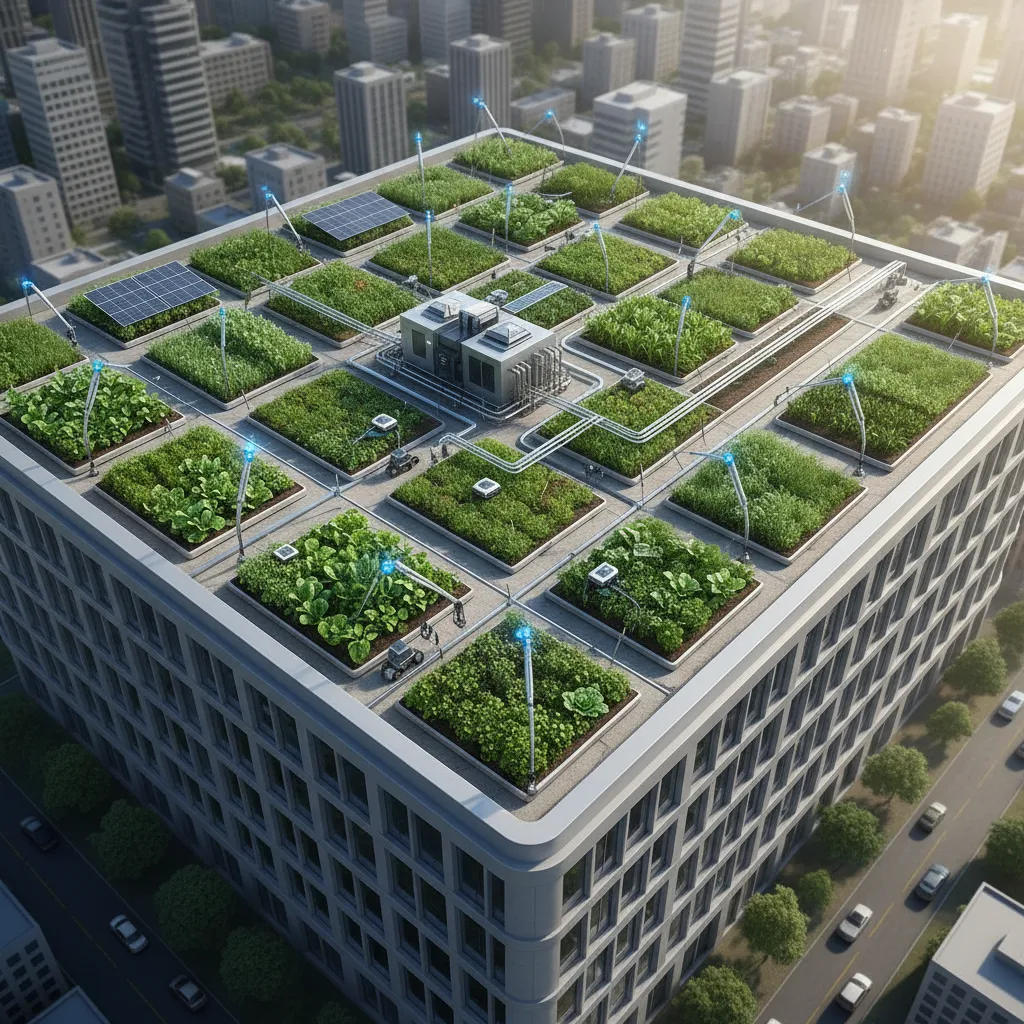
Large-scale urban farms and AI powered greenhouses are using this technology to supply fresh produce to local restaurants and grocery stores. These operations use sophisticated AI to manage thousands of plants, optimizing for yield and quality while minimizing environmental impact.
The Rise of the DIY Smart Garden
For tech-savvy hobbyists, the DIY smart garden scene is exploding. Using affordable micro-controllers like Raspberry Pi or Arduino, creators are building their own custom automated gardening systems. They combine open-source software with off-the-shelf sensors to create highly personalized and cost-effective smart gardens, sharing their designs and code with a growing online community.
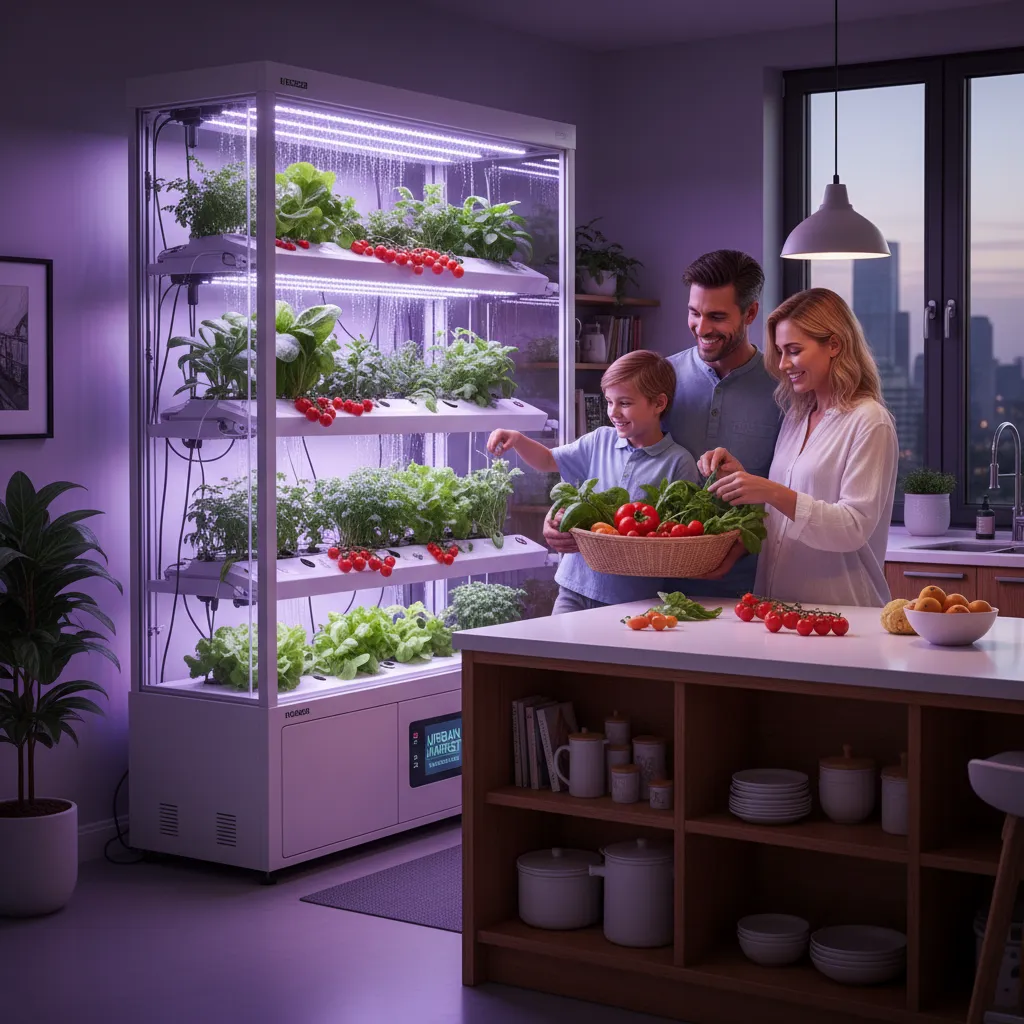
Smart Indoor Gardens for Every Home
The most accessible entry point is the consumer smart garden. Companies like Click & Grow, AeroGarden, and Gardyn offer plug-and-play systems that bring hydroponics AI and intelligent automation into a sleek, countertop appliance. These are perfect for growing herbs, salads, and small vegetables year-round, representing the pinnacle of modern balcony farming tech and indoor solutions.
Navigating the Challenges and Looking to the Future
While the future is bright, there are considerations to keep in mind. The initial investment for high-end systems can be significant, and there can be a learning curve with more complex DIY setups. As with any IoT device, it’s also important to consider data privacy and the security of your connected system. The ethical implications of widespread AI are always a crucial consideration. Related: AI Ethics Unpacked: Navigating the Moral Maze of Intelligent Systems
Looking ahead, the integration will only get deeper. Imagine a smart refrigerator that communicates with your indoor garden, suggesting you harvest lettuce for a salad based on your meal plan. Picture AI systems that not only grow your food but also create personalized plant nutrition plans based on your wearable health data. The future of home farming is connected, intelligent, and deeply integrated into our daily lives. It represents a paradigm shift, much like the one AI is bringing to mobile technology. Related: Apple Intelligence: All-New AI Features in iOS 18
Conclusion
AI-powered urban farming is more than just a technological trend; it’s a response to a fundamental human need. It’s a movement that empowers us to reclaim control over our food source, reduce our environmental impact, and foster a deeper connection with nature, even in the heart of the city.
From intelligent plant monitoring that prevents diseases before they start, to AI optimized growing systems that conserve precious resources, this technology provides elegant urban farming solutions for a complex world. Whether you’re a curious beginner starting with a smart herb garden or a DIY enthusiast building a fully automated vertical farm, you are participating in the future of food.
The fusion of greenery and algorithms is here. It’s time to grow smarter, live greener, and cultivate a healthier, more sustainable future, one intelligent plant at a time.
FAQs
Q1. How does AI help in urban farming?
AI helps in urban farming by using data from sensors and cameras to automate and optimize the growing process. It manages watering, lighting, and nutrient delivery with high precision, detects pests and diseases early, and predicts plant growth and yield, leading to higher efficiency and less waste.
Q2. What is a smart indoor gardening system?
A smart indoor gardening system is a self-contained unit that uses technology to automate the process of growing plants indoors. It typically includes built-in LED grow lights, a self-watering mechanism, and often connects to an app that allows you to monitor and control the system, making gardening easy and accessible.
Q3. Is vertical farming better than traditional farming?
Vertical farming offers distinct advantages, especially in urban areas. It uses significantly less water and land, eliminates the need for pesticides, and allows for year-round production regardless of weather. While not a replacement for all traditional farming, it is a highly efficient and sustainable solution for producing leafy greens and herbs locally.
Q4. What technologies are used in smart farming?
Smart farming, including AI urban farming, utilizes a range of technologies. Key components include the Internet of Things (IoT) for connected sensors and devices, AI and machine learning for data analysis, computer vision for plant monitoring, and automated systems like robotic arms or precision irrigation for physical tasks.
Q5. Can I build my own DIY smart garden?
Yes, absolutely. With components like Raspberry Pi or Arduino micro-controllers, various sensors (light, moisture, temperature), and open-source software, many people build their own DIY smart garden. It’s a popular project for tech enthusiasts and allows for complete customization of your automated gardening system.
Q6. How much water does hydroponics AI save?
AI-managed hydroponic systems are incredibly water-efficient. Because the water is recirculated and delivered directly to the plant roots, there is very little waste through evaporation or runoff. These systems can use up to 90-95% less water than traditional soil-based agriculture for the same crop yield.
Q7. What is precision agriculture at home?
Precision agriculture at home refers to using smart garden technology to apply the same principles of large-scale precision farming to a small, domestic setting. It involves using sensors and AI to give plants the exact amount of light, water, and nutrients they need, minimizing waste and maximizing growth.
Q8. How does AI pest detection for plants work?
AI pest detection uses computer vision. A camera captures images of the plants, and a machine learning algorithm, trained on thousands of images of healthy and afflicted plants, analyzes them. It can identify the tell-tale signs of specific pests or diseases, often at a microscopic level, and alert the user long before the problem becomes visible to the naked eye.