AI-Powered Personalization: Revolutionizing E-commerce & Customer Experience
Introduction
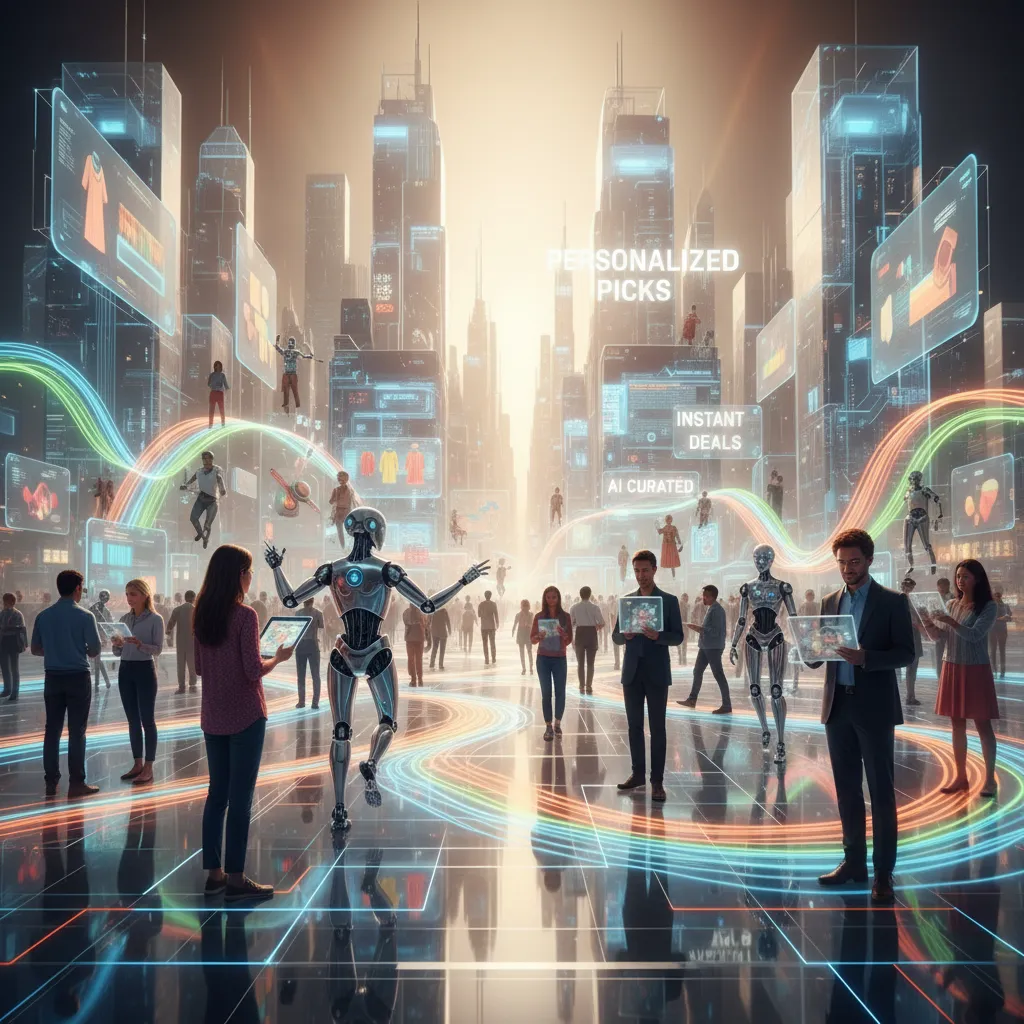
Remember the days of walking into your favorite local shop, where the owner knew your name, remembered your last purchase, and could suggest something new you’d genuinely love? That level of personal connection has long been the missing ingredient in the vast, anonymous world of online shopping. For years, e-commerce has been a one-size-fits-all experience, leaving customers scrolling through endless, irrelevant products. But that era is officially over. We are now at the forefront of a massive shift, driven by e-commerce AI.
This revolution is powered by AI personalization for e-commerce, a suite of technologies designed to understand each customer as an individual and tailor their entire shopping experience in real time. It’s about moving beyond generic marketing blasts and creating a dynamic, responsive, and genuinely helpful customer journey AI. By leveraging artificial intelligence, online stores can finally replicate—and even surpass—the intuitive service of that beloved neighborhood shop.
In this comprehensive guide, we’ll dive deep into how customer experience AI is not just an e-commerce innovation but a fundamental requirement for success. You’ll learn how AI is reshaping everything from product recommendations to customer service, explore the tangible benefits for your business, and get a glimpse into the incredible future of e-commerce that’s unfolding right now.
The Dawn of a New Era: Why Generic E-commerce is Failing
The digital marketplace is more crowded than ever. Customers are bombarded with choices, leading to decision fatigue and high cart abandonment rates. The traditional approach of manually segmenting audiences into broad categories like “age,” “gender,” or “location” is no longer effective. These methods paint with a broad brush, failing to capture the unique preferences, intent, and context of each shopper.
Modern consumers expect more. They’ve been conditioned by platforms like Netflix and Spotify, which know their tastes intimately. They crave that same level of personalized shopping when they buy clothes, electronics, or groceries. When an online store fails to deliver relevant content, it creates friction, wastes the customer’s time, and ultimately pushes them to a competitor who does understand them. This is the core problem that AI in retail is solving.
What is AI-Powered Personalization in E-commerce?
At its heart, AI-powered personalization is the use of artificial intelligence technologies—primarily machine learning (ML), predictive analytics, and natural language processing (NLP)—to collect and analyze vast amounts of customer data in real time. This data can include:
- Browsing history: Pages viewed, time spent on pages, search queries.
- Purchase history: Past orders, frequency, average order value.
- Behavioral data: Clicks, mouse movements, cart additions, and abandonments.
- Demographic data: Location, age (where provided and relevant).
- Contextual data: Time of day, device used, current trends.
AI algorithms sift through these millions of data points to identify patterns and predict future behavior with incredible accuracy. This process of data driven personalization allows an intelligent e-commerce platform to automatically adjust what each user sees, from the homepage layout and product sorting to the specific emails and promotions they receive.
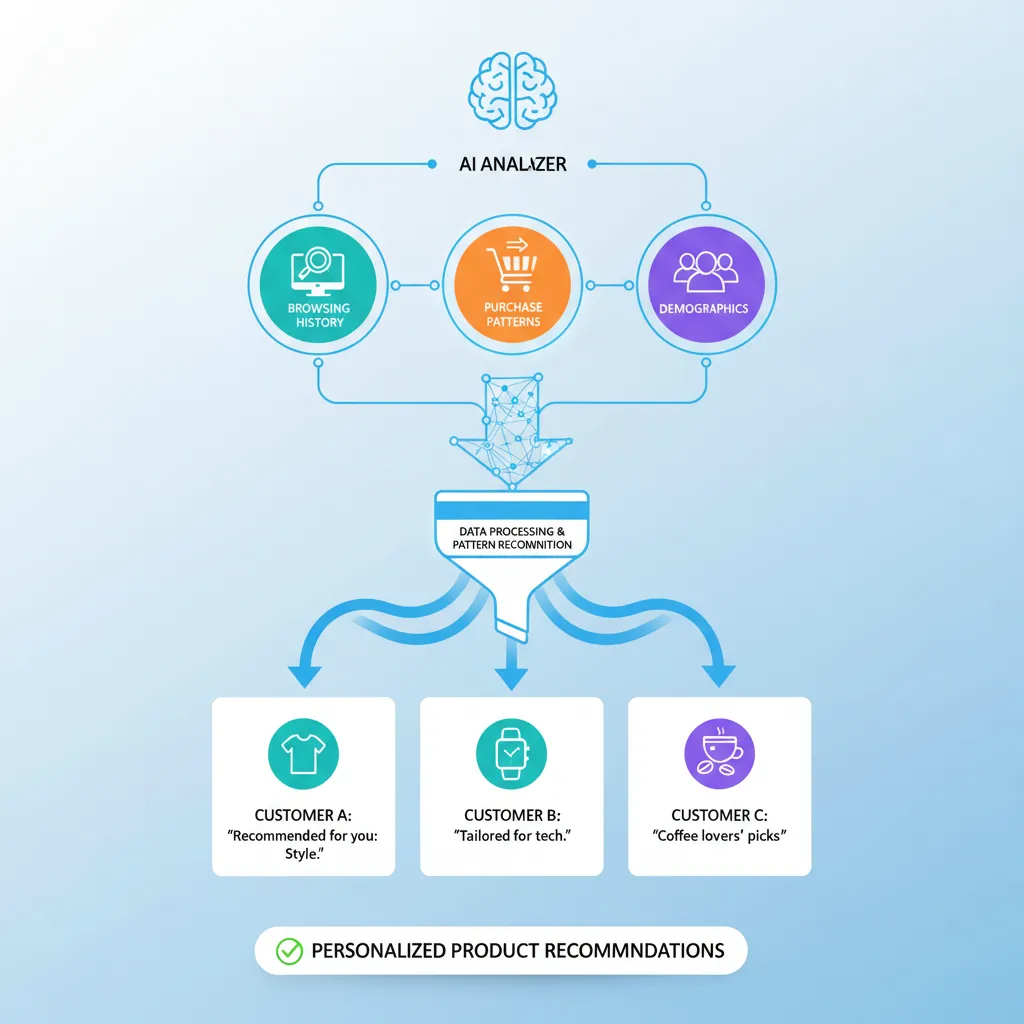
Instead of a static, one-way broadcast, the online store becomes a dynamic, two-way conversation. It listens to the customer’s digital body language and responds instantly with the most relevant experience possible. [Related: Google AI Overview: The Ultimate 2024 Guide]
The Cornerstones of AI Personalization: Key Applications Transforming Retail
AI personalization e-commerce isn’t a single tool; it’s an ecosystem of applications working together to create a seamless customer journey. Here are the most impactful ways this technology is being deployed today.
Hyper-Personalized Product Recommendations
This is far more sophisticated than the classic “Customers who bought this also bought…” widgets. Modern AI product recommendations use complex algorithms to deliver suggestions based on a deep understanding of user intent.
- Collaborative Filtering: Analyzes the behavior of similar users to recommend products that “people like you” have enjoyed.
- Content-Based Filtering: Recommends items based on their attributes (e.g., brand, color, category) and how they relate to a user’s past interactions.
- Hybrid Models: Combine multiple approaches for highly accurate and often surprising recommendations that help with product discovery.
These powerful engines are the key to increasing average order value and are a cornerstone of AI driven sales.
Dynamic Pricing and Promotions
Imagine offering a small, exclusive discount to a price-sensitive customer who is about to abandon their cart, or showing the full price to a loyal VIP who is likely to buy anyway. This is the power of dynamic pricing AI. By analyzing a user’s purchase history, browsing behavior, and sensitivity to price changes, AI can tailor pricing and promotions on a one-to-one basis to maximize both conversion and profit margins. This is a game-changer for conversion rate optimization AI.
Intelligent Search and Visual Discovery
A frustrating on-site search experience is a guaranteed way to lose a sale. AI transforms search from a rigid keyword-matching tool into an intuitive discovery engine.
Using Natural Language Processing (NLP), the search bar can understand conversational queries, correct typos, and grasp user intent even when the wording is vague. Furthermore, the rise of visual search is a key part of retail technology trends. A shopper can now upload a photo of a dress they saw on the street, and AI will instantly find the same or similar items in the store’s inventory, a particularly powerful tool for AI in fashion retail.
AI-Powered Customer Service and Chatbots
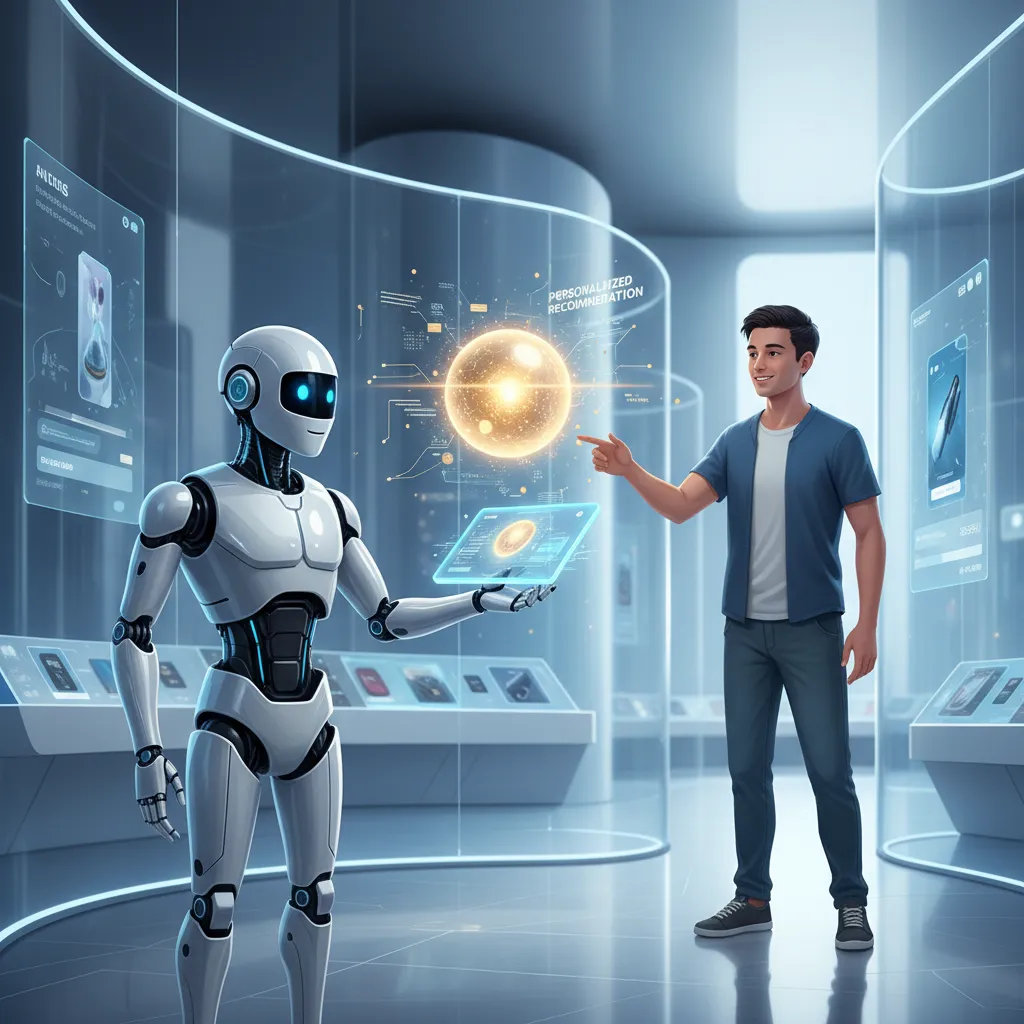
Waiting on hold is a relic of the past. AI customer service, primarily through intelligent chatbots, provides instant, 24/7 support. These aren’t the clunky bots of yesterday. Modern AI assistants can:
- Answer frequently asked questions about order status, shipping, and return policies.
- Provide personalized product recommendations within the chat window.
- Understand complex queries and sentiment.
- Seamlessly hand off the conversation to a human agent when necessary, providing the full context.
This frees up human agents to handle more complex issues, reduces operational costs, and significantly improves customer satisfaction. [Related: Apple Intelligence: Your Guide to iOS 18’s New AI Features]

Personalized Marketing and Communication
AI marketing strategies ensure that every touchpoint with the customer is relevant and timely. This goes far beyond just using their first name in an email.
- Personalized Email Campaigns: Send abandoned cart reminders with tailored incentives, product recommendations based on browsing history, or “we miss you” offers with surgically precise timing.
- Targeted Push Notifications: Alert a user when a previously viewed item goes on sale or a new product in their favorite category drops.
- On-Site Personalization: Customize homepage banners, promotional pop-ups, and even the navigation menu for each individual visitor.
This level of personalized marketing automation creates a cohesive omnichannel personalization strategy, making the customer feel valued and understood across all channels.
The Tangible Impact: Measurable Benefits of AI in E-commerce
Implementing these AI powered platforms isn’t just about creating a futuristic shopping experience; it’s about driving real, measurable business results. The AI benefits for retail are substantial and clear.
Skyrocketing Conversion Rates and Average Order Value (AOV)
When customers are shown products they are genuinely interested in, they are far more likely to make a purchase. Boston Consulting Group found that retailers who implement personalization strategies see sales gains of 6-10%, a rate two to three times faster than other retailers. By presenting relevant add-ons and complementary products, AI for online stores also effectively increases the average amount each customer spends.
Enhancing Customer Loyalty and Engagement
Personalization fosters a strong connection between the customer and the brand. When a shopper feels understood, they are more likely to return. This increased AI and customer engagement transforms one-time buyers into loyal, high-value advocates for your brand. This focus on the individual is crucial for building long-term relationships in a competitive market. [Related: AI-Personalized Health: The Future of Your Wellness]
Gaining Deeper Retail Customer Insights
One of the most powerful aspects of e-commerce AI is its ability to uncover hidden patterns and trends in customer data. Predictive analytics e-commerce models can forecast future demand for certain products, identify at-risk customers before they churn, and reveal new, emerging customer segments. These retail customer insights are invaluable for making smarter decisions across all areas of the business, from marketing to inventory.
Streamlining Operations with E-commerce Automation
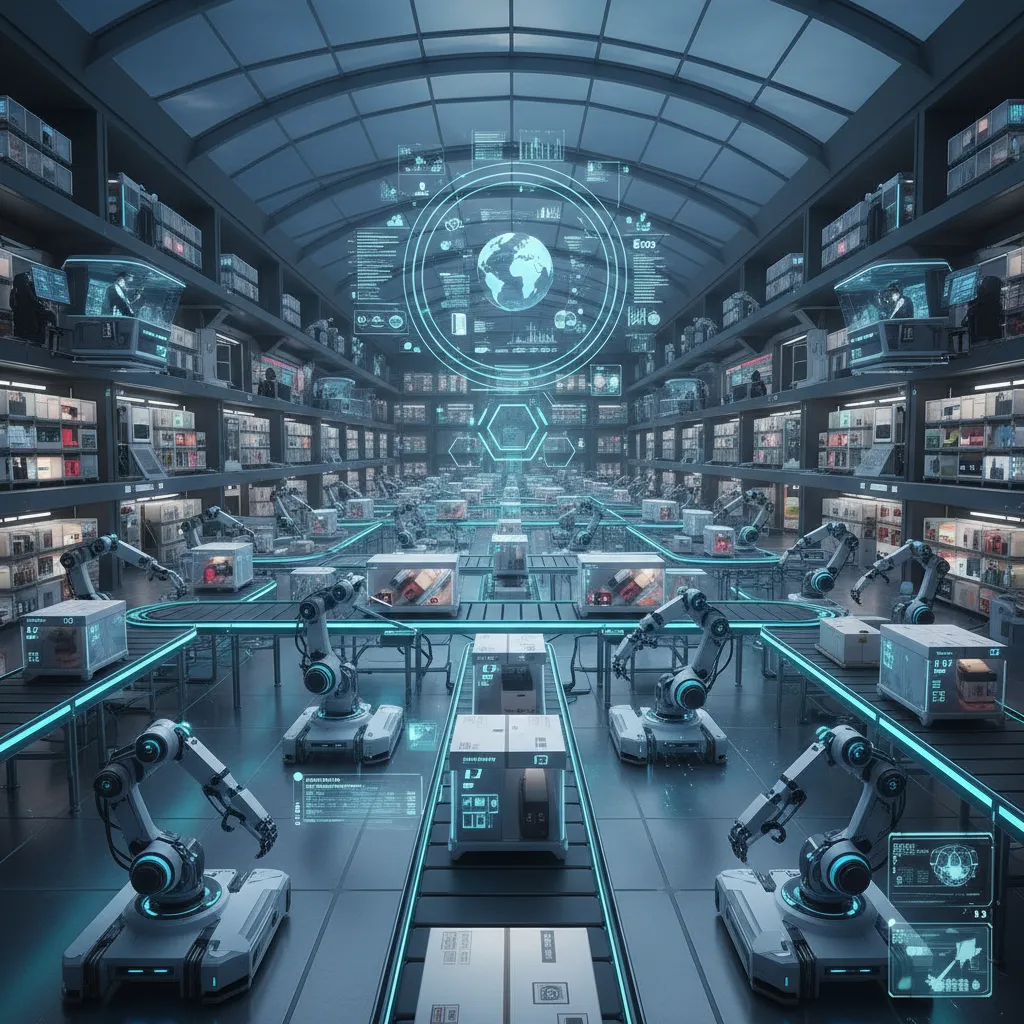
The impact of AI extends beyond the front-end experience. By accurately predicting demand, AI helps optimize inventory management, reducing both overstocking and stockouts. In the warehouse, AI algorithms can plan the most efficient routes for picking and packing orders, leading to faster fulfillment and lower labor costs. This backend e-commerce automation is the unsung hero of a successful online retail operation.
The Future is Now: Emerging E-commerce Trends and Technologies
The world of AI-powered personalization is evolving at lightning speed. What seems cutting-edge today will be standard tomorrow. Here are the e-commerce trends 2024 and beyond that are set to redefine the industry.
The Rise of Hyper-Personalization
Hyper-personalization marketing is the next frontier. This isn’t just about personalizing content; it’s about creating a unique, 1-to-1 customer journey for every single individual, adapted in real time. It means the entire website experience—layout, content, navigation, offers—is dynamically generated for the user the moment they land on the site, based on all available data.
Immersive Experiences with Virtual Try-On AI
Augmented Reality (AR) is bridging the gap between digital and physical shopping. Virtual try-on AI allows customers to use their phone’s camera to see how a pair of glasses would look on their face, how a shade of lipstick would match their skin tone, or how a new sofa would fit in their living room. This technology dramatically increases purchase confidence and reduces return rates, especially in the fashion and home goods sectors. [Related: Humane Ai Pin vs. Rabbit R1: The Ultimate AI Wearables Comparison]
Predictive Personalization: Anticipating Customer Needs
The most advanced e-commerce AI systems are moving from being reactive to proactive. Instead of just responding to what a customer has browsed, predictive models can anticipate what they will need next. This could mean suggesting new running shoes a few months after their last pair was purchased or recommending sunscreen just before their planned beach vacation. This is the ultimate form of customer service—solving a need before the customer even fully realizes they have it.
Conclusion
The message is clear: AI-powered personalization is no longer a futuristic buzzword but a critical component of a modern, successful e-commerce strategy. By moving away from the outdated one-size-fits-all model, online retailers can create shopping experiences that are more intuitive, engaging, and ultimately, more human.
From driving sales with hyper-relevant AI product recommendations to building loyalty through intelligent AI customer service, the applications are vast and the benefits are undeniable. This is the future of e-commerce, and it’s a future where data-driven insights and a deep understanding of the individual customer reign supreme. Embracing this e-commerce innovation isn’t just about staying competitive; it’s about building a brand that customers truly love and trust.
FAQs
Q1. How is AI used for personalization in e-commerce?
AI is used in e-commerce to collect and analyze customer data—such as browsing history, past purchases, and real-time behavior—to tailor the shopping experience. Key applications include personalized product recommendations, dynamic pricing, intelligent chatbots, and targeted marketing messages that adapt to each individual user.
Q2. What is an example of AI-powered personalization?
A classic example is Amazon’s recommendation engine. It analyzes your viewing history, what you’ve bought, and what similar customers have purchased to show you a unique homepage and suggest products you’re highly likely to be interested in. Another example is a fashion retailer’s virtual try-on AI, which lets you use your camera to see how clothes would look on you.
Q3. What are the main benefits of using AI in retail?
The primary benefits of AI in retail include increased sales and conversion rates, enhanced customer loyalty and engagement, deeper retail customer insights through data analysis, and improved operational efficiency through e-commerce automation in areas like inventory management and customer service.
Q4. How does AI improve the customer shopping experience?
Customer experience AI improves shopping by making it faster, more relevant, and more convenient. It eliminates the frustration of seeing irrelevant products, provides instant 24/7 support via chatbots, and creates a seamless customer journey AI that feels uniquely tailored to the individual’s needs and preferences.
Q5. What is hyper-personalization in marketing?
Hyper-personalization marketing is an advanced strategy that uses AI and real-time data to create highly individualized customer experiences. It goes beyond basic personalization (like using a name) to tailor the entire marketing message, product recommendations, and offers to a specific individual’s context and behavior at that exact moment.
Q6. Can AI predict customer behavior?
Yes, predictive analytics e-commerce models are a core component of AI personalization. By analyzing past data and identifying patterns, AI algorithms can forecast future customer behavior with a high degree of accuracy, such as predicting which customers are likely to churn, what products they might buy next, and when they are most likely to make a purchase.
Q7. Are AI chatbots effective for customer service?
Modern AI customer service chatbots are highly effective for handling a large volume of routine inquiries. They can instantly answer questions about order status, return policies, and product information 24/7. This frees up human agents to focus on more complex, high-touch issues, leading to an overall more efficient and responsive customer support system.