AI Mental Health Tools: Your Personalized Path to Well-being

In our fast-paced, always-on world, prioritizing mental well-being has shifted from a luxury to a necessity. Yet, traditional therapy can be expensive, time-consuming, and not always accessible when you need it most. What if you had a supportive, intelligent ally in your pocket, ready to help you navigate stress, anxiety, and the daily rollercoaster of emotions? This is no longer science fiction; it’s the reality of AI mental health tools.
These aren’t just simple apps; they are sophisticated digital mental health platforms designed to offer personalized support, anytime, anywhere. From guided meditations powered by machine learning to chatbots that teach cognitive behavioral therapy techniques, the landscape of mental wellness is undergoing a profound transformation. This article is your comprehensive guide to this new frontier. We’ll explore what these tools are, how they deliver personalized mental health solutions, weigh their incredible benefits against the critical ethical considerations, and help you understand how to begin your own AI for well-being journey.
The New Frontier: What Are AI Mental Health Tools?
At its core, an AI mental health tool is any application, platform, or software that uses artificial intelligence to support and improve a user’s psychological well-being. This goes far beyond a simple digital diary or a pre-recorded meditation library. These tools leverage complex algorithms, machine learning, and natural language processing (NLP) to create interactive and adaptive experiences.
They represent a significant step in mental health innovation, moving from a one-size-fits-all approach to a deeply personal one. The technology can learn your unique patterns, preferences, and challenges, offering tailored guidance that evolves with you over time.
Think of it as a spectrum of support:
- AI Emotional Support Chatbots: Conversational agents that provide a safe space to talk, offer empathetic responses, and guide you through difficult moments.
- Smart Mood Trackers: Tools that don’t just log your feelings but analyze the data to uncover triggers, patterns, and correlations you might have missed.
- AI-Driven Therapy Platforms: Structured programs, often based on proven methods like Cognitive Behavioral Therapy (CBT), delivered through an interactive AI interface.
- Personalized Mindfulness and Meditation Apps: Platforms that adapt meditation sessions, breathing exercises, and soundscapes based on your real-time stress levels or stated goals.
These tools are becoming a cornerstone of AI powered self-care, empowering individuals to take a proactive role in managing their mental state.

How AI is Revolutionizing Personalized Mental Healthcare
The magic of these tools lies in their ability to personalize the user experience in ways that static apps never could. This personalization is what makes them so powerful, transforming them from generic wellness apps into a true virtual mental health coach. Here’s a look under the hood.
Data-Driven Mood Tracking and Analysis
Traditional mood journaling is useful, but it relies on your ability to connect the dots yourself. AI mood tracking takes this to a new level. By analyzing your journal entries, self-reported mood scores, and even passive data like sleep patterns or calendar events (with your permission), the AI can build a detailed picture of your emotional landscape.
This technology enhances AI for emotional intelligence by:
- Identifying Triggers: It can pinpoint specific activities, people, or situations that consistently correlate with dips in your mood.
- Recognizing Patterns: It might notice that your anxiety spikes on Sunday evenings or that you feel most energized after morning exercise.
- Providing Predictive Insights: Over time, some advanced platforms can forecast potential challenging periods, allowing you to prepare and utilize coping strategies proactively.
AI-Powered Cognitive Behavioral Therapy (CBT)
Cognitive Behavioral Therapy (CBT) is one of the most effective, evidence-based treatments for anxiety, depression, and other conditions. It works by helping you identify, challenge, and reframe negative thought patterns. AI cognitive behavioral therapy makes this powerful methodology more accessible than ever.
Instead of waiting for a weekly session, an AI-driven therapy app can guide you through CBT exercises in real-time. For example, if you log a moment of intense anxiety, the app might initiate a conversation to help you:
- Identify the thought: “I’m going to fail this presentation.”
- Challenge the thought: “What’s the evidence for that? I’ve prepared well and succeeded before.”
- Reframe the thought: “I’m feeling nervous, which is normal. I am prepared to do my best.”
This immediate, structured intervention reinforces healthy mental habits and builds resilience. Related: The XAI Revolution: Demystifying AI Decisions for Trust & Transparency
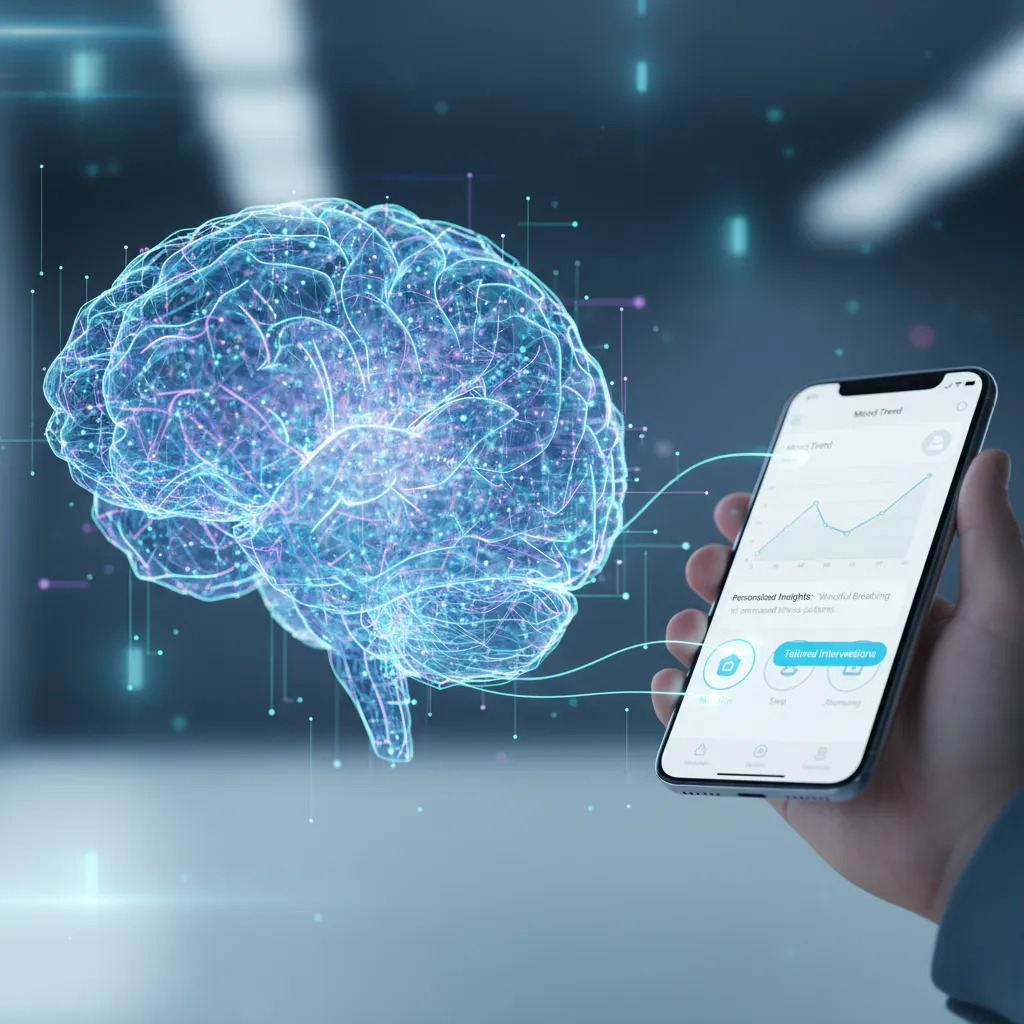
The Virtual Mental Health Coach in Your Pocket
Some of the most popular ai therapy tools are conversational agents or chatbots. Apps like Wysa, Woebot, and Youper use sophisticated natural language processing to simulate human conversation. While they don’t replicate the nuanced connection of human therapy, they excel at providing in-the-moment AI in psychological support.
These coaches are programmed with therapeutic techniques and can:
- Offer a non-judgmental ear 24/7.
- Teach coping mechanisms like deep breathing or grounding techniques.
- Guide users through problem-solving exercises.
- Provide psychoeducation on topics like anxiety or depression.
For many, talking to an AI can feel less intimidating than talking to a person, reducing the stigma that often prevents people from seeking help.
Personalized Mindfulness and Stress Reduction
Mindfulness and meditation are proven methods for managing stress. Mindfulness AI tools enhance these practices by tailoring them to the user’s state. For instance, some apps can integrate with a smartwatch to measure your heart rate variability (HRV), a key indicator of stress.
If the app detects you’re stressed, it might proactively suggest a 5-minute breathing exercise. Or, it could learn which types of guided meditations (e.g., body scan, loving-kindness) are most effective for you and recommend them more often. This level of personalization makes stress management AI a powerful tool for AI for stress reduction, helping you build a practice that truly works for your unique physiology and preferences.

The Tangible Benefits: Why Turn to a Digital Mind Ally?
The rise of mental health tech trends is driven by the real, measurable benefits these tools offer. They are addressing critical gaps in traditional mental healthcare systems, making support more immediate, accessible, and tailored to the individual. Here are the primary AI mental health benefits.
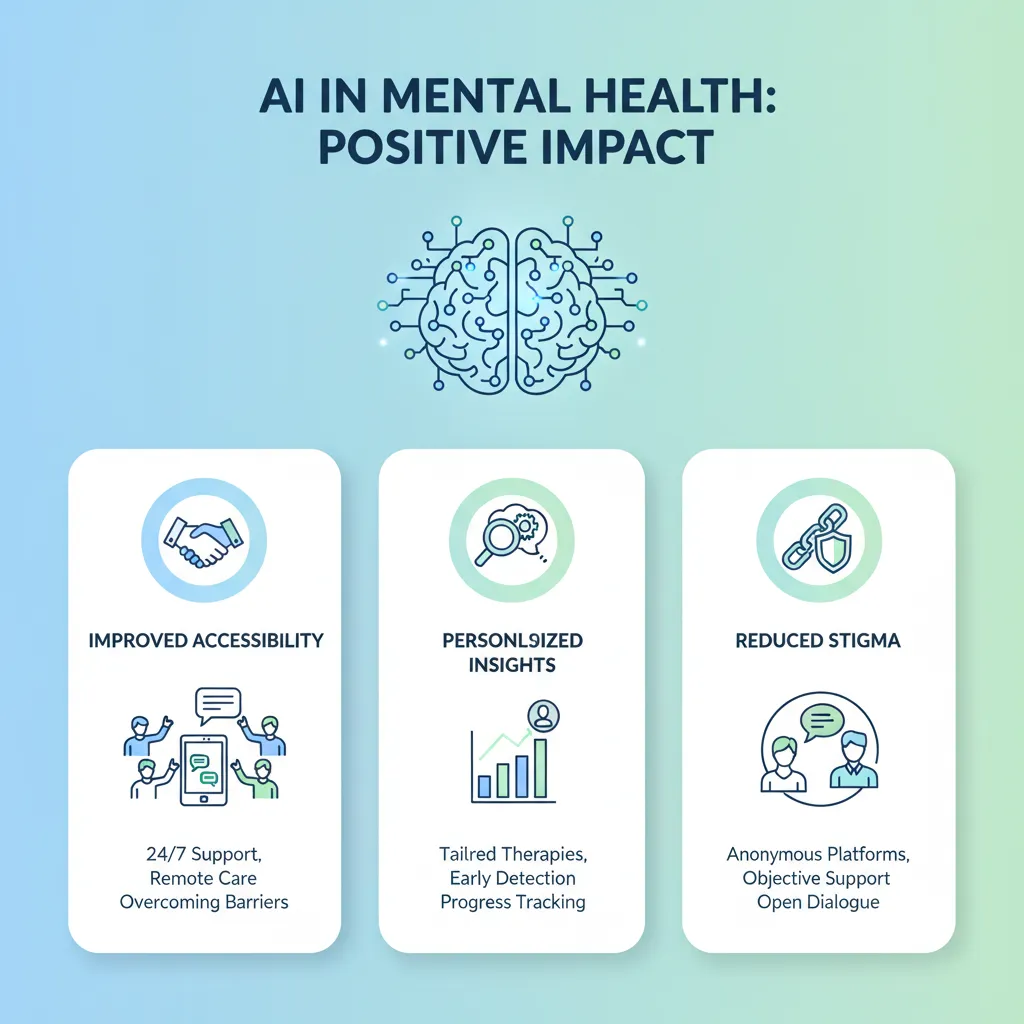
- Unprecedented Accessibility: Mental health support is no longer confined to a therapist’s office hours. With an AI tool, help is available 24/7, whether you’re having a panic attack at 2 AM or need to process a stressful meeting right after it ends. This immediacy is crucial for effective intervention.
- Affordability: The cost of traditional therapy can be a significant barrier. While some new mental health apps operate on a subscription model, they are often a fraction of the cost of in-person sessions, and many offer robust free versions. This makes them a prime example of affordable mental health tech. Related: The FinTech Revolution: Mastering Your Money with Innovative Personal Finance Tools
- Anonymity and Reduced Stigma: The fear of judgment can prevent many people from seeking help. AI tools offer a completely private and confidential space to explore your thoughts and feelings without fear, which can be a critical first step for many.
- Deep Personalization: As discussed, this is the cornerstone of mental wellness AI. A personalized wellness AI can create a unique program that adapts to your progress, learning what works for you and discarding what doesn’t, accelerating your holistic AI well-being journey.
- Data-Informed Self-Awareness: These tools empower you with data about your own mind. Seeing a graph that clearly links your caffeine intake to your anxiety levels or your exercise routine to improved mood provides concrete, actionable insights for positive change.
- Improved Sleep: Many apps include features specifically for AI for sleep improvement, such as AI-generated soundscapes, guided wind-downs, and sleep stories, all tailored to help you fall asleep faster and stay asleep longer.
Navigating the Challenges: The Critical Conversation Around AI in Mental Health
With great innovation comes great responsibility. While the potential of AI in mental health is immense, it’s crucial to approach it with a clear-eyed view of the challenges and ethical considerations. A trustworthy approach to AI in psychological support demands transparency about its limitations.
Ethical Considerations and Data Privacy
Your mental health data is among the most sensitive personal information you have. When using these apps, you are entrusting them with your deepest fears, anxieties, and thoughts. Therefore, secure AI mental health is non-negotiable.
Before using any app, ask these questions:
- What is the privacy policy? Does the company sell or share anonymized data?
- Is the data encrypted? Both in transit (from your phone to their servers) and at rest (on their servers).
- Is it HIPAA compliant? While not always required for wellness apps, compliance with the Health Insurance Portability and Accountability Act is the gold standard for protecting health information.
The conversation around ethical AI mental health is ongoing. Users must be diligent, and developers must prioritize user trust above all else. Related: What is GPT-4o? OpenAI’s New ‘Omni’ Model Explained
The Risk of Misdiagnosis and Over-reliance
It is critical to remember: AI mental health tools are not a replacement for human therapists or professional medical advice. They are supplements and support tools. An AI cannot diagnose a complex mental health condition, nor can it manage a crisis situation like suicidal ideation. Over-relying on an app for a serious condition can be dangerous. Most reputable apps have built-in safety protocols to direct users to crisis hotlines or professional help when certain keywords are detected.
The Absence of True Empathy
While AI can be programmed to provide “empathetic” responses, it does not possess genuine consciousness, lived experience, or the ability to form a true human connection. The therapeutic alliance—the trusting bond between a therapist and a client—is a major factor in successful treatment. This is a bond an AI cannot replicate. The nuance, warmth, and intuitive understanding of a human professional remain irreplaceable.
Choosing Your AI Companion: A Practical Guide
Ready to explore the world of anxiety relief AI apps and other tools? The market is crowded, so making an informed choice is key. Look beyond the marketing and focus on the substance.
Key Features to Look For:
- Evidence-Based Methods: Does the app use clinically validated techniques like CBT, Dialectical Behavior Therapy (DBT), or Mindfulness-Based Stress Reduction (MBSR)? The best tools are built on a foundation of psychological science.
- Clear Privacy Policy: Don’t just click “accept.” Take a moment to read how your data will be used. A transparent company will make this information easy to find and understand.
- High Level of Personalization: Look for features that adapt to your input. A good app should feel like it’s getting to know you, not just serving you generic content.
- Positive User Reviews: Check sources like the App Store, Google Play, and independent mental health app reviews AI-focused blogs to see what other users are saying. Look for comments on effectiveness and ease of use.
- Safety Features: Does the app have clear, easily accessible resources for crisis situations? This is a sign of a responsible developer.
A Few Reputable Apps to Explore:
- Wysa: An “emotionally intelligent” penguin chatbot that uses AI to listen and help you reframe thoughts using CBT and DBT techniques.
- Woebot: One of the pioneers in this space, Woebot is designed by Stanford psychologists and uses CBT to help with mood management, stress, and anxiety.
- Youper: An AI-powered emotional health assistant that uses conversations to help you understand and track your emotional health, based on various therapeutic modalities.
- Calm: While known for meditation, Calm increasingly uses AI to personalize recommendations for sleep stories, music, and mindfulness exercises based on your goals and past usage.
The Horizon: The Future of Mental Health Tech
The field of AI mental health is just getting started. The future of mental health tech is incredibly exciting and points toward a more integrated, proactive, and holistic model of care.
We can expect to see:
- Deeper Wearable Integration: AI will more seamlessly analyze data from your smartwatch or fitness tracker—like sleep quality, heart rate, and activity levels—to provide even more accurate and timely mental wellness insights.
- Biomarker Analysis: Future tools might analyze vocal tone, typing speed, and other digital biomarkers to detect subtle shifts in mental state, potentially identifying the onset of a depressive episode before the user is even consciously aware of it.
- Hyper-Personalized Interventions: Imagine an AI that knows you so well it can create a custom 5-minute meditation specifically for the type of stress you’re feeling at that exact moment.
- Integration with Healthcare: We’ll likely see a closer link between these apps and clinical care, where data from your AI tool can (with your explicit consent) provide your human therapist with valuable insights between sessions. Related: Mastering AI Workflow: A Guide to Productivity and Automation
Conclusion
AI mental health tools are no longer a futuristic concept; they are powerful, practical allies available right now. From providing a moment of calm during a stressful day with mindfulness AI tools to offering structured AI cognitive behavioral therapy exercises, these platforms are democratizing access to mental well-being support. They offer a personalized, affordable, and private path for anyone looking to better understand and manage their emotional world.
However, they are most powerful when used wisely—as a supplement to, not a substitute for, professional human connection and care. By choosing reputable tools, being mindful of your data, and understanding their limitations, you can safely and effectively integrate these innovations into your holistic AI well-being plan. Your personalized path to well-being is waiting; it’s time to take the first step.
FAQs
Q1. Can AI replace a human therapist?
No. AI is a powerful supportive tool, but it cannot replace the nuanced understanding, genuine empathy, and complex diagnostic capabilities of a licensed human therapist. It is best used as a supplement to professional care or for managing mild to moderate symptoms.
Q2. Are AI mental health apps effective?
For many people, yes. Research has shown that apps based on established therapeutic methods, like Cognitive Behavioral Therapy (CBT), can be effective in reducing symptoms of mild to moderate anxiety and depression. Their effectiveness depends on the app’s quality and the user’s consistent engagement.
Q3. What is the best AI for mental health?
The “best” app depends entirely on your individual needs and goals. Some popular, well-regarded options include Wysa for its conversational support, Woebot for its strong CBT foundation, and Youper for its comprehensive mood tracking and analysis. Look for an app that uses evidence-based techniques and has a clear privacy policy.
Q4. Is my data safe with mental health apps?
This is a critical concern. Reputable and secure AI mental health apps use end-to-end encryption and have transparent privacy policies that explain exactly how your data is handled. Always read the privacy policy before committing to an app and choose those that are HIPAA compliant or follow similar strict data protection standards.
Q5. How does AI help with anxiety and stress?
AI helps by providing immediate, in-the-moment support. Anxiety relief AI apps can guide you through calming breathing exercises, use CBT to help you challenge anxious thoughts, offer mindfulness meditations, and help you track your triggers over time to better understand and manage your stress.
Q6. What is AI-driven Cognitive Behavioral Therapy (CBT)?
AI-driven CBT is a digital platform that uses artificial intelligence to guide users through the structured exercises of traditional CBT. Through interactive conversations and modules, the AI helps you identify negative thought patterns, challenge their validity, and learn to reframe them in a more positive and realistic way, all from your smartphone.