AI & Longevity: Unlocking the Secrets to a Longer, Healthier Life
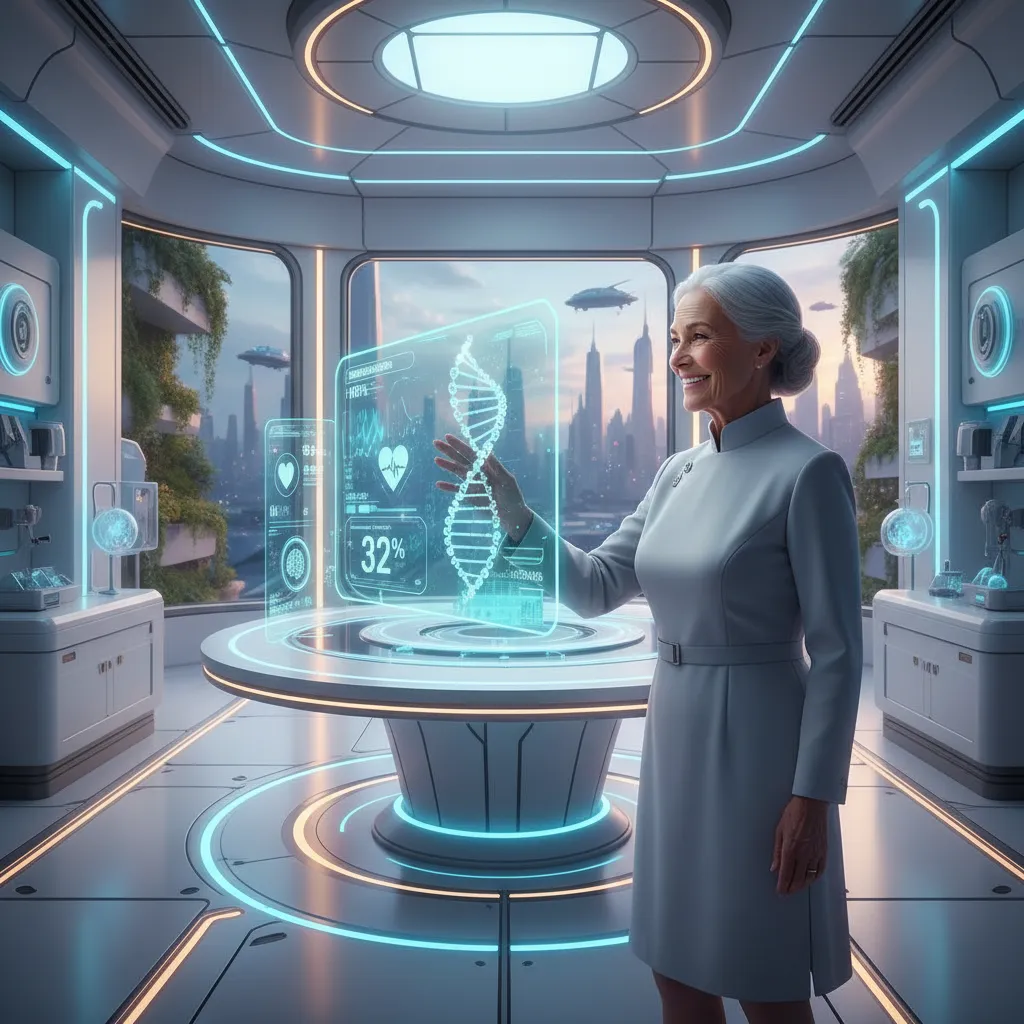
For centuries, humanity has chased the elusive dream of immortality—a quest chronicled in myths, legends, and alchemical texts. Today, that ancient ambition is being reframed through the precise, data-driven lens of science. We’re on the cusp of a revolution, not in eternal life, but in something far more practical and profound: extending our healthspan. This isn’t just about adding years to our life, but adding life to our years. And the engine powering this transformation is Artificial Intelligence.
The convergence of AI and longevity is no longer science fiction. It represents one of the most exciting frontiers in AI healthcare innovation. From decoding our genetic blueprint to predicting diseases before they strike, AI is serving as the ultimate co-pilot for researchers and doctors. It’s helping us understand the complex, multifactorial process of aging itself.
This article delves into the heart of longevity science AI, exploring how machine learning algorithms are unlocking the secrets to a longer, healthier existence. We’ll examine how AI for healthy aging is personalizing medicine, accelerating drug discovery, and turning everyday wearable devices into powerful health guardians. Get ready to discover the future of longevity, a future where AI helps us not just to live longer, but to live better.
The New Frontier: Why AI is the Ultimate Co-Pilot for Longevity Science
The primary challenge in understanding aging has always been complexity. The human body is a system of staggering intricacy, with trillions of interacting cells, genes, proteins, and metabolic processes. The sheer volume of data generated by modern biological research—from entire genomes to real-time biometric streams—is far too vast for the human mind to comprehend.
This is where AI, particularly machine learning aging research, changes the game. AI thrives on complexity. It can sift through petabytes of data to identify subtle patterns, correlations, and causal links that would otherwise remain invisible. This capability is creating a paradigm shift in data driven longevity across three key areas:
- Prediction: AI models can forecast health risks and disease onset with increasing accuracy, moving healthcare from a reactive to a proactive model.
- Personalization: By analyzing an individual’s unique biological data, AI can tailor interventions—from diet to medication—for maximum effectiveness.
- Acceleration: AI dramatically speeds up research and development, particularly in discovering new drugs and therapies to combat age-related decline.
Essentially, AI is providing the computational muscle needed to translate raw biological data into actionable, life-extending insights.
Decoding Our Blueprint: AI in Genomics and Personalized Medicine
At the core of our individual aging process is our genome—the unique DNA sequence we’re born with. However, our genes are not our destiny. The field of epigenetics shows us how lifestyle and environmental factors can change how our genes are expressed. Understanding this complex interplay is fundamental to personalized longevity.
AI genomics for health is at the forefront of this effort. Sophisticated algorithms can now analyze a person’s entire genetic code to identify predispositions to age-related diseases. But it goes deeper. Epigenetics AI models can analyze DNA methylation patterns—chemical tags that act like switches for genes—to determine a person’s “biological age,” which can be older or younger than their chronological age. This is a powerful aging biomarker AI can track.
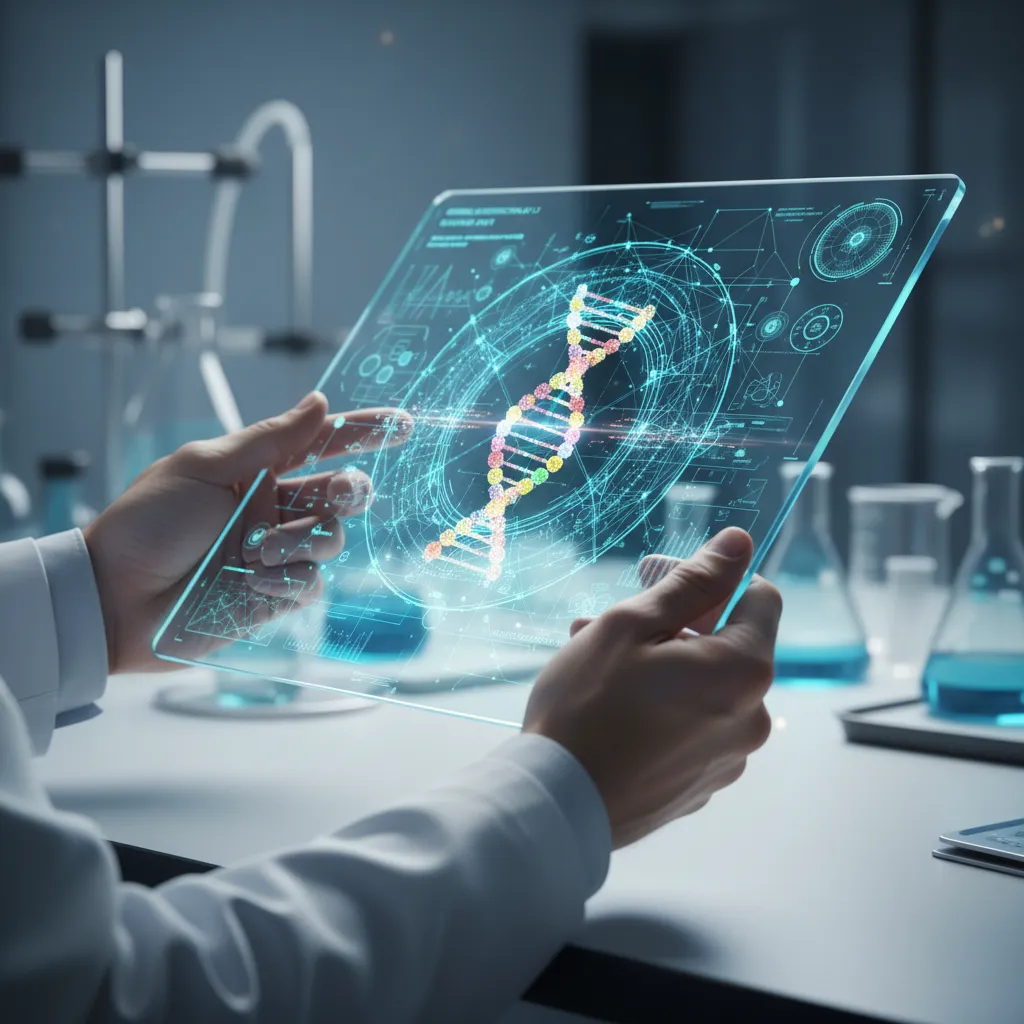
Here’s how it creates a practical path to a longer healthspan:
- Personalized Nutrition: An AI model might analyze your genetic markers and suggest a
personalized nutrition AIplan. For example, if you have a gene variant that makes you less efficient at processing B vitamins, the AI would recommend specific foods or supplements to compensate, potentially lowering your long-term risk for cognitive decline. - Precision Interventions: Researchers are also using AI to study telomeres, the protective caps at the end of our chromosomes that shorten as we age.
Telomere research AIhelps identify compounds and lifestyle changes that may slow this shortening process. - Tailored Treatments: This
genomic sequencing anti-agingapproach enablesprecision medicine longevity, where treatments are no longer one-size-fits-all. They are customized to an individual’s unique genetic and molecular profile, leading to better outcomes and fewer side effects.
Related: AI’s Green Blueprint: Revolutionizing Sustainable Urban Planning
From Reactive to Proactive: AI for Predictive Health and Disease Prevention
Our current healthcare system is largely reactive. We wait for symptoms to appear, then we diagnose and treat the disease. AI disease prevention aims to flip this model on its head. By leveraging predictive analytics longevity, AI can identify the earliest, most subtle signs of illness, enabling intervention long before a condition becomes critical.
Imagine a future where your annual check-up is a deep data analysis. AI algorithms would scrutinize your blood work, genetic data, and even the way you speak or walk to calculate your future risk for conditions like Alzheimer’s, heart disease, or cancer.

This is already beginning to happen:
- Early Cancer Detection: AI models trained on millions of medical images (like mammograms or CT scans) can spot cancerous growths at earlier stages and with greater accuracy than the human eye.
- Cardiovascular Risk: By analyzing retinal scans, an AI can predict a person’s risk of a heart attack or stroke by assessing the health of blood vessels in the eye.
- Neurodegenerative Diseases: AI is being used to analyze speech patterns, typing speed, and even eye movements to detect early signs of cognitive decline associated with diseases like Parkinson’s and Alzheimer’s.
This proactive approach is the essence of enhancing AI-powered health span. It’s not about waiting to get sick; it’s about continuously fine-tuning your health to prevent sickness from occurring in the first place.
Related: AI Saves Lives: Predicts & Responds to Global Crises
The Future of Medicine, Accelerated: AI in Drug Discovery and Regenerative Treatments
Developing a new drug is a notoriously slow and expensive process, often taking over a decade and costing billions of dollars. This bottleneck has significantly hampered the development of effective anti-aging treatments AI aims to shatter.
AI drug discovery longevity is one of the most impactful applications of AI in biotech. Instead of painstakingly testing thousands of chemical compounds in a lab, researchers can use AI to:
- Simulate Molecular Interactions: AI models can predict how a potential drug molecule will bind to a target protein associated with an aging pathway, shortlisting only the most promising candidates.
- Repurpose Existing Drugs: Machine learning can scan databases of existing, approved drugs to find new uses for them as longevity therapies—a much faster path to clinical use.
- Design Novel Molecules: Generative AI can even design entirely new molecules from scratch, optimized to combat specific aspects of the aging process.
Beyond pharmaceuticals, regenerative medicine AI is accelerating breakthroughs. AI helps scientists understand the complex signaling involved in stem cell differentiation and tissue repair, paving the way for therapies that could one day restore function to aging organs. The entire landscape of biotech longevity is being reshaped by AI’s ability to find the needle of therapeutic promise in the haystack of biological data.
The Quantified Self 2.0: Wearable Tech and AI Health Monitoring
The revolution in AI longevity isn’t just happening in high-tech labs; it’s happening on your wrist. The rise of wearable tech longevity—smartwatches, fitness trackers, and continuous glucose monitors—has turned us all into walking data generators. But data without interpretation is just noise.
This is where AI health monitoring steps in, acting as a personal health analyst, 24/7. These AI-powered platforms can:
- Provide Deeper Sleep Insights: Instead of just telling you how long you slept,
sleep tracking AI longevityplatforms can analyze your sleep stages, breathing patterns, and heart rate variability to give you a comprehensive picture of your restorative health and offer actionable advice for improvement. - Optimize Diet and Exercise: By correlating data from a continuous glucose monitor with your food logs and activity levels,
AI diet optimization longevityapps can show you exactly how certain meals affect your metabolic health, helping you build a trulypersonalized nutrition AI-driven plan. - Detect Health Anomalies: Your wearable device constantly collects baseline data. An AI can monitor this stream for subtle deviations—like a sustained increase in resting heart rate or a drop in blood oxygen levels—that could indicate an impending illness before you even feel symptoms.
This constant feedback loop is a cornerstone of the biohacking longevity AI movement, empowering individuals to take direct control of their health in a way that was previously unimaginable.

Related: iPad Pro M4 Review: The Ultimate Creative Tool
More Than Just the Body: AI’s Role in Mental Wellness and Cognitive Aging
A long life is only truly valuable if our minds remain sharp and engaged. Cognitive decline is one of the most feared aspects of aging, but here too, AI offers hope. The emerging field of AI mental wellness aging is focused on preserving and enhancing cognitive function throughout life.
AI applications in this space include:
- Personalized Brain Training: AI-powered apps can create adaptive cognitive games that target specific areas of brain function, such as memory, attention, and problem-solving, adjusting the difficulty in real-time to keep you challenged.
- Early Detection of Depression: AI can analyze vocal tone, speech patterns, and even word choice in text messages to detect signs of depression or anxiety, enabling early intervention.
- Virtual Companionship: For older adults facing social isolation, AI-powered chatbots and virtual assistants can provide companionship, engage in conversation, and help with daily reminders, significantly improving mental well-being.
By focusing on the brain as well as the body, AI is helping to ensure that a longer life is also a richer, more fulfilling one.
Related: The AI Revolutionizing Mental Wellness
Conclusion: Charting a Course Toward a Healthier Future
The journey toward a longer, healthier life is no longer a fantastical quest but a tangible scientific endeavor, with Artificial Intelligence as its primary navigation tool. We’ve seen how longevity science AI is fundamentally reshaping healthcare, moving it from a reactive system of disease treatment to a proactive, personalized, and predictive model of wellness optimization.
From decoding our individual genomes for personalized longevity to accelerating the discovery of novel anti-aging treatments, AI is tackling the complexities of aging on every front. The integration of AI health monitoring with wearable technology empowers us to become active participants in our own health journey, making data driven longevity a reality for everyone.
While ethical considerations around data privacy and accessibility must be carefully navigated, the trajectory is clear. The synergy between human biology and artificial intelligence is unlocking a future where 90 can be the new 60. The ultimate goal of the AI in life extension movement is not just to extend the human lifespan, but to compress morbidity—to ensure those extra years are vibrant, healthy, and full of life. The secrets to longevity are hidden in data, and AI is finally giving us the key to unlock them.
Frequently Asked Questions (FAQs)
Q1. What is AI longevity?
AI longevity is a specialized field where Artificial Intelligence and machine learning are applied to the science of aging. Its primary goal is to analyze complex biological data to understand the mechanisms of aging, predict age-related diseases, and develop personalized interventions and treatments to extend a person’s healthy lifespan, or “healthspan.”
Q2. How can AI increase human lifespan?
AI can increase human lifespan not by stopping aging, but by tackling it as a multifaceted engineering problem. It achieves this by accelerating AI drug discovery for longevity, enabling early AI disease prevention through predictive analytics, personalizing health plans based on an individual’s unique genetics (AI genomics for health), and providing real-time health insights through wearable tech longevity.
Q3. What are aging biomarkers?
Aging biomarkers are measurable biological indicators that can track the aging process within an individual. Unlike chronological age (your birthday), they reflect your “biological age.” Examples include telomere length, epigenetic patterns (DNA methylation), and levels of specific proteins in the blood. Aging biomarkers AI is crucial for identifying and interpreting these complex signals.
Q4. What companies are working on AI and longevity?
Several high-profile companies are leading the charge in biotech longevity with AI. These include Calico Life Sciences (backed by Google), Altos Labs, and Insilico Medicine, which uses AI for rapid drug discovery. Additionally, numerous startups are focusing on specific areas like personalized nutrition, AI-powered diagnostics, and regenerative medicine AI.
Q5. Can AI reverse aging?
Currently, AI cannot “reverse” aging in the sense of making an old organism young again. However, it is a critical tool in developing therapies that may reverse some aspects of age-related damage at a cellular level. The more accurate goal of current anti-aging AI research is to slow, halt, or repair specific age-related declines, thereby improving health and extending the functional lifespan.
Q6. What are the ethical concerns of AI in life extension?
The primary ethical concerns include socioeconomic inequality, where longevity treatments may only be accessible to the wealthy, creating a “longevity divide.” Other issues involve data privacy for sensitive genetic and health information, the societal impact of much longer lifespans on resources and social structures, and the philosophical questions surrounding the pursuit of life extension.