AI Health Revolution: Smart Tracking & Proactive Wellness Insights
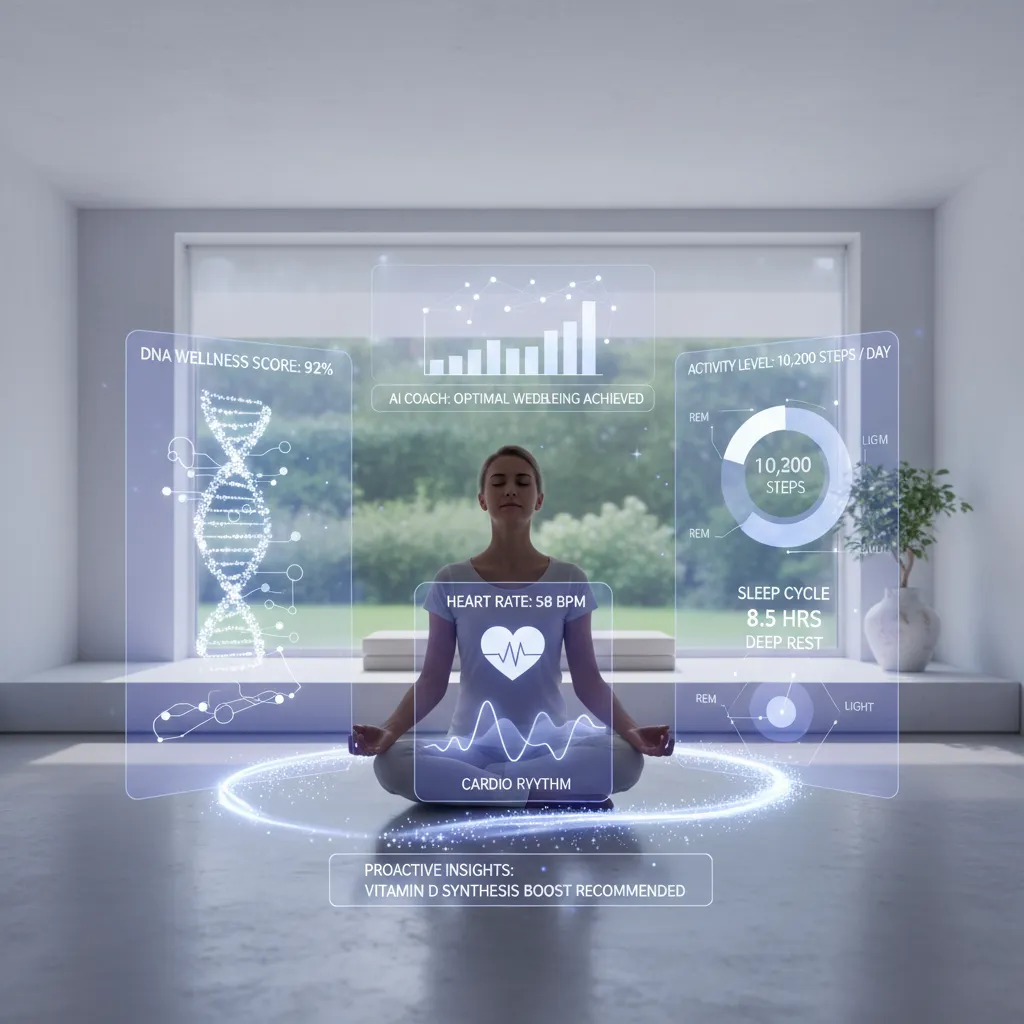
For decades, our approach to health has been fundamentally reactive. We wait for symptoms to appear, we schedule a doctor’s visit, and we receive a diagnosis to treat a problem that already exists. But what if we could shift from fixing what’s broken to preventing it from breaking in the first place? This is the promise of the AI health revolution—a paradigm shift powered by smart tracking, predictive analytics, and deeply personalized wellness insights.
We’re moving beyond simple step counting and calorie logging into an era of proactive health management. The data streaming from our smartwatches, rings, and other connected devices is no longer just a collection of numbers; it’s the raw material for powerful artificial intelligence. This AI acts as a digital health companion, translating complex biometric signals into actionable advice that empowers us to take control of our well-being like never before.
In this deep dive, we’ll explore how AI health tracking is fundamentally reshaping the future of personal health. We’ll unpack the technology behind wearable tech health AI, see its real-world applications in everything from fitness to chronic disease management, and confront the critical questions around data privacy. Get ready to discover how AI-driven health insights are making healthcare more personal, predictive, and participatory.
The Dawn of a New Era: From Reactive to Proactive Health
The traditional healthcare model is built on episodic care. You feel unwell, you see a professional. This system has saved countless lives, but it’s inherently limited by its reactive nature. It catches problems after they’ve started, often when they are more difficult and expensive to treat.
Enter the proactive model, a new philosophy championed by the fusion of data and artificial intelligence. This approach doesn’t wait for the alarm bells of symptoms. Instead, it listens for the whispers—the subtle, almost imperceptible changes in our daily biometrics that can signal a future health issue.
Preventive care AI is the engine driving this transformation. It leverages continuous data streams to build a dynamic, high-resolution picture of your unique health baseline. When you deviate from that baseline, the AI can flag it, not as a diagnosis, but as an early warning. This could be a gradual increase in your resting heart rate, a decline in your sleep quality, or changes in your heart rate variability (HRV). These are insights that were previously only accessible in a clinical setting but are now available 24/7, right on your wrist. This is the core of smart healthcare solutions—making you an active participant in your long-term wellness journey.
How AI Health Tracking Actually Works: Beyond Step Counting
The magic of modern AI in health isn’t just one thing; it’s a sophisticated ecosystem where hardware and software work in perfect harmony. It starts with data collection and culminates in highly personalized, predictive insights.
The Data Engine: Wearable Tech and Smart Devices
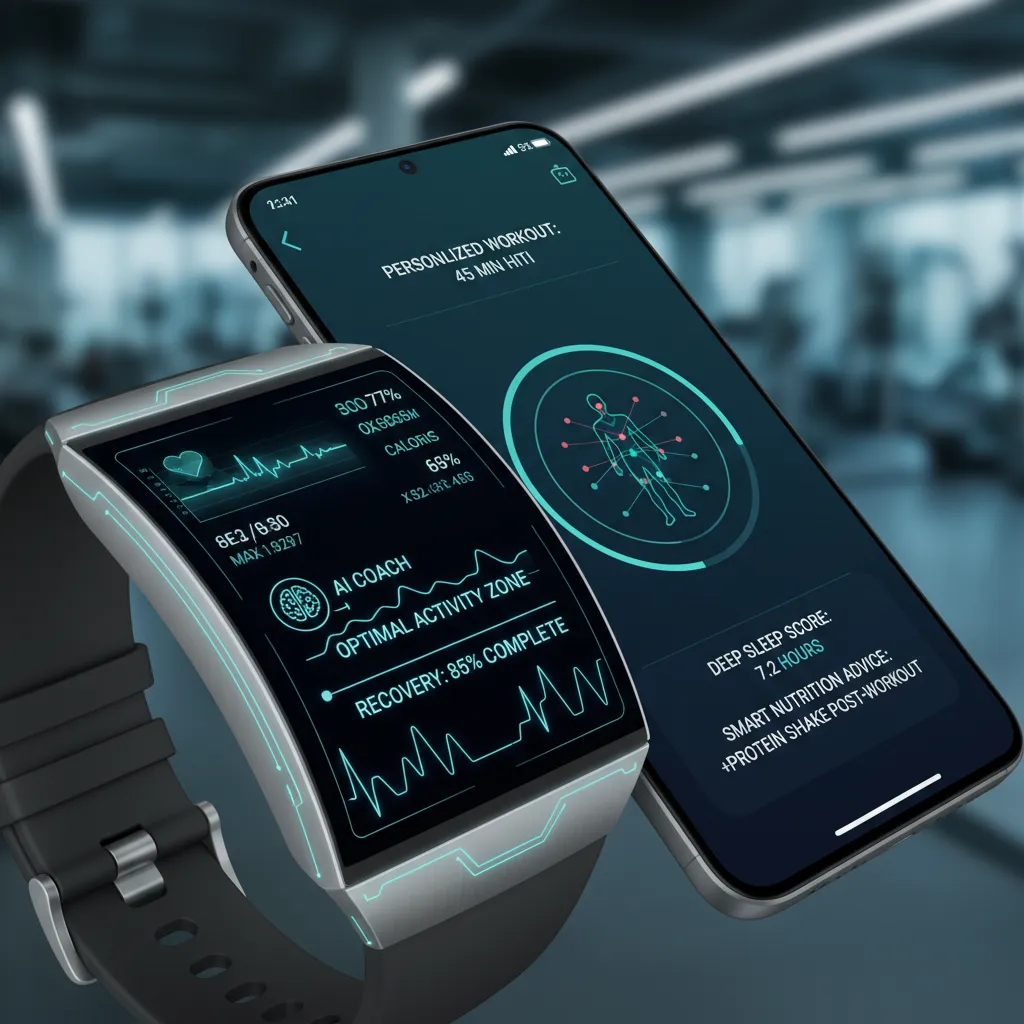
The foundation of any smart health monitoring system is data. Today’s wearables are marvels of miniaturization, packed with advanced sensors that capture a continuous stream of physiological information:
- Optical Heart Rate Sensors: Measure heart rate, heart rate variability (HRV), and blood oxygen levels (SpO2).
- Electrocardiogram (ECG): Detects signs of atrial fibrillation (AFib) and other heart rhythm irregularities.
- Accelerometers & Gyroscopes: Track movement, activity levels, exercise form, and sleep patterns.
- Temperature Sensors: Monitor baseline body temperature to detect potential signs of illness or track ovulation cycles.
- Continuous Glucose Monitors (CGMs): Provide real-time blood sugar data for diabetes management.
This constant flow of data from smartwatches, smart rings (like the Oura Ring), fitness trackers, and even smart scales creates a rich, longitudinal dataset—a digital diary of your body’s inner workings.
The Brains of the Operation: AI-Driven Health Insights
Collecting data is easy; making sense of it is the hard part. This is where AI-driven health insights come into play. Machine learning (ML) algorithms, a subset of AI, are trained on massive datasets to recognize complex patterns that are invisible to the human eye.
Here’s how it works:
- Pattern Recognition: The AI sifts through your personal data, identifying your unique baseline and normal ranges. It learns what your “normal” looks like across sleep, activity, and recovery.
- Anomaly Detection: It then looks for deviations. For example, it might notice that your HRV has been consistently lower than your average for three consecutive days, a potential sign of stress, overtraining, or impending illness.
- Correlation Analysis: The AI connects the dots between different data points. It might find a correlation between a specific type of workout you do in the evening and a subsequent drop in your deep sleep quality.
- Predictive Analytics: This is the most exciting frontier. By analyzing trends over time, predictive health analytics can start to forecast potential risks. It might suggest you’re at risk of burnout based on your stress and sleep data or flag cardiovascular changes that warrant a conversation with your doctor. [Related: What are AI Agents? A Simple Guide to the Next Tech Frontier]
This process transforms raw data into a powerful tool for self-awareness and proactive health management.
Your Personalized Wellness Blueprint: Key Applications of AI in Health
The true power of personalized wellness AI lies in its versatility. It’s not a one-size-fits-all solution but a suite of specialized tools designed to optimize every facet of your well-being.

Hyper-Personalized Fitness and Nutrition Coaching
Generic workout plans and diet fads are becoming obsolete. AI fitness coaching adapts to you in real-time.
- Dynamic Workouts: An AI can analyze your performance during a workout—tracking your reps, form, and heart rate zones—and adjust the next set or the next day’s session to be more or less intense.
- Recovery Optimization: By analyzing your sleep and HRV data, your AI coach can tell you when to push hard and, more importantly, when to take a rest day to prevent injury and maximize gains.
- Smart Nutrition: Personalized nutrition AI is also gaining traction. Apps can analyze photos of your meals to estimate macronutrients and calories. Some can even connect with your biometric data to recommend foods that will help stabilize your blood sugar or fuel your recovery.
Revolutionizing Sleep and Stress Management
Sleep is the bedrock of health, and stress is its greatest adversary. Sleep tracking AI has evolved far beyond simply recording how long you were in bed. It now provides detailed analysis of your sleep stages (Light, Deep, REM) and offers concrete advice. For instance, if you’re not getting enough deep sleep, it might suggest avoiding caffeine later in the day or incorporating a pre-bedtime meditation.
Similarly, stress management AI uses HRV as a primary indicator of your physiological stress levels. Some platforms can detect when you’re in a stressed state and proactively suggest a guided breathing exercise or a short walk, providing an intervention right when you need it most.
A New Frontier in Mental Wellness
The application of AI extends deep into our mental and emotional lives. Mental wellness AI tools are emerging as accessible, first-line support systems.
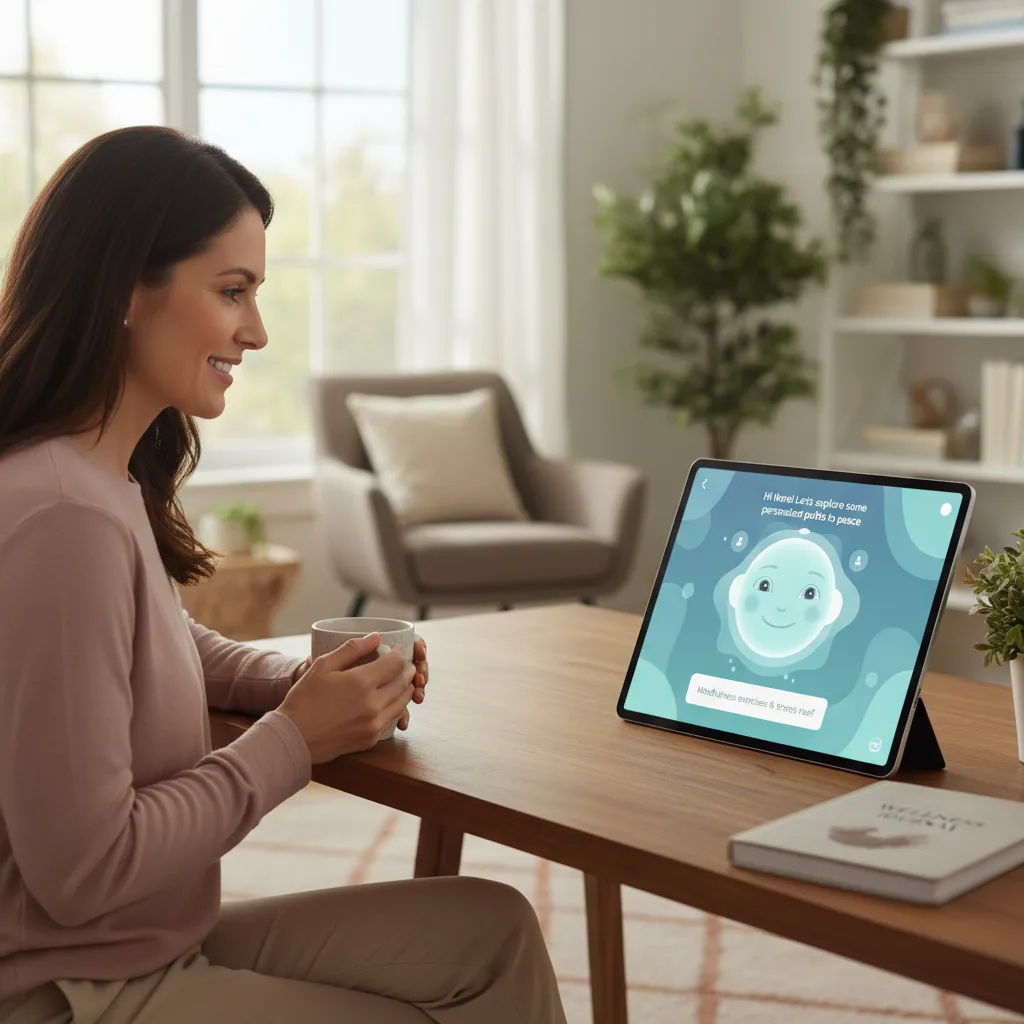
- AI Chatbots: These digital health companions offer a non-judgmental space to talk, practice cognitive behavioral therapy (CBT) techniques, and track mood patterns over time.
- Mood & Behavior Analysis: By correlating journal entries, voice tone, and biometric data, AI can help users identify triggers for anxiety or low moods, empowering them to develop better coping strategies. [Related: Beyond Care: How AI Companions Are Elevating Senior Life & Independence]
Proactive Management of Chronic Diseases
For individuals living with chronic conditions, AI is a game-changer. AI for chronic disease management provides continuous oversight and support between doctor visits.
- Diabetes: AI algorithms analyze CGM data to predict hyperglycemic or hypoglycemic events, allowing for preemptive action.
- Cardiovascular Health: Remote patient monitoring AI can track ECG, blood pressure, and heart rate data from home, alerting medical teams to potentially dangerous irregularities. This technology is critical for managing conditions like hypertension and post-operative care.
The Future is Predictive: AI’s Role in Preventive Medicine
The ultimate goal of this technology is to prevent illness before it takes hold. We are at the cusp of an era where AI health predictions will become a standard part of personal care.
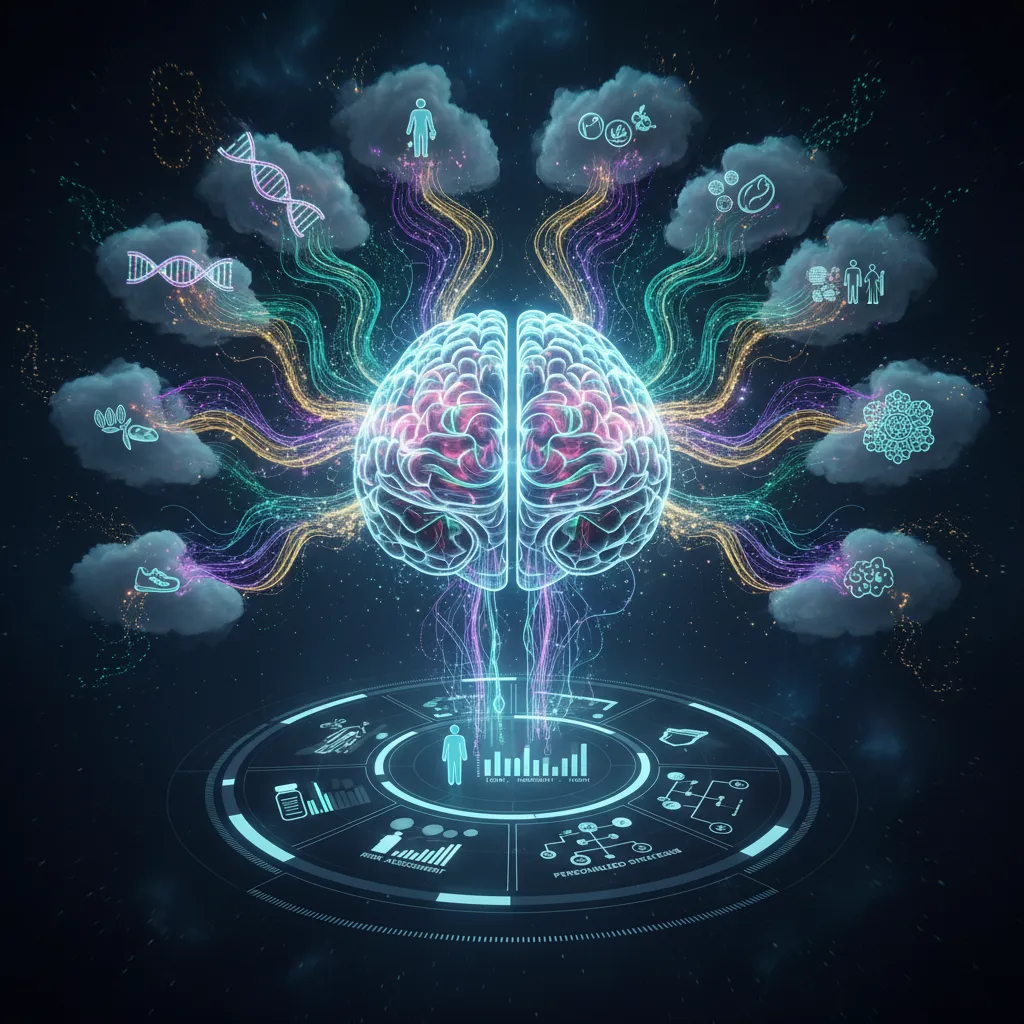
By analyzing your unique combination of genetics, lifestyle, and real-time biometric data, AI in preventive medicine aims to generate a personalized risk score for various conditions. Imagine receiving a notification that says, “Your inflammatory markers, combined with recent sleep disturbances, suggest a heightened risk of a viral infection. We recommend prioritizing rest and hydration over the next 48 hours.”
This isn’t science fiction; it’s the logical conclusion of where predictive health analytics is headed. It’s about using data not just to look back at what happened, but to look forward and shape a healthier future. [Related: Apple Intelligence: The Ultimate 2024 AI Guide]
Navigating the Challenges: Health Data Privacy and Ethical Considerations
With great power comes great responsibility. The deeply personal nature of health data makes privacy and security paramount. The rise of health data privacy AI concerns is a critical conversation that must accompany the technology’s adoption.
- Data Security: Where is your data stored? Who has access to it? It’s essential to choose platforms that use robust encryption and adhere to strict privacy regulations like HIPAA (Health Insurance Portability and Accountability Act) in the US and GDPR in Europe.
- Algorithmic Bias: AI models are only as good as the data they are trained on. If a training dataset is not diverse, the resulting algorithm could be less accurate for certain populations, potentially exacerbating existing health disparities.
- Accuracy and Over-reliance: While these tools are incredibly powerful, they are not a substitute for professional medical advice. It’s crucial to view them as a source of information and insights to be discussed with a doctor, not as an AI diagnostics home solution that replaces one.
Peeking into the Horizon: The Future of Personal Health
The AI health revolution is still in its early stages. The coming years will see an explosion of innovation that will integrate these technologies even more seamlessly into our lives.
At-Home Diagnostics and Personalized Treatments
The line between consumer wellness and clinical care will continue to blur. We’ll see more sophisticated AI diagnostics home kits that can analyze blood or saliva samples, with AI interpreting the results to provide immediate insights. This data will eventually feed into systems that help doctors create truly personalized treatment plans AI can help to formulate, tailored to your unique biology and lifestyle.
Advanced AI, Biotech, and Longevity
As computing power grows, so will the capabilities of health AI. Biotech AI health is already accelerating drug discovery and genomic research. The introduction of quantum health AI could solve biological problems that are currently intractable. These advancements are fueling the field of AI for longevity, which seeks not just to extend lifespan but to increase healthspan—the number of years we live in good health.
Holistic AI Wellness: The Integrated Self
Ultimately, the future is integrated. The concept of holistic AI wellness envisions a single, unified platform that understands the intricate connections between your physical activity, nutrition, sleep, mental stress, and even your social interactions. It will provide a truly comprehensive view of your well-being, helping you fine-tune every aspect of your life for optimal health and performance.
Conclusion: You Are the CEO of Your Health
The AI health revolution is not about replacing human intuition or medical expertise. It’s about augmenting it. It provides us with the tools and data to move from being passive recipients of healthcare to active, informed stewards of our own well-being.
By embracing smart health monitoring, we gain an unprecedented understanding of our bodies. Through AI-driven health insights, we can translate that understanding into meaningful action. This is the new frontier of proactive health management—a future where technology empowers us to live longer, healthier, and more vibrant lives.
The journey starts now. Start paying attention to your data, ask critical questions about the tools you use, and partner with this incredible technology to become the CEO of your own health.
Frequently Asked Questions (FAQs)
Q1. What is AI in health tracking?
AI in health tracking refers to the use of artificial intelligence and machine learning algorithms to analyze data collected from wearable devices and health apps. Instead of just showing raw numbers like steps or heart rate, AI identifies patterns, trends, and anomalies to provide personalized insights and predictive health alerts.
Q2. How does AI improve personal wellness?
AI improves personal wellness by making it proactive and personalized. It can create custom fitness and nutrition plans, optimize sleep schedules, offer real-time stress management interventions, and detect subtle health changes early. This empowers individuals to make informed lifestyle choices that can prevent future health issues.
Q3. What are examples of AI health monitoring devices?
Leading examples include smartwatches like the Apple Watch and Google Pixel Watch, fitness trackers from Fitbit and Garmin, and smart rings like the Oura Ring. These devices use advanced sensors to collect biometric data, which is then processed by AI-powered apps to deliver health insights.
Q4. Are AI wellness apps accurate?
The accuracy of AI wellness apps can vary. While they are highly effective at tracking trends and identifying patterns in your personal data, they are not medical devices and should not be used for self-diagnosis. They are best used as powerful tools to enhance your health awareness and to facilitate more informed conversations with your healthcare provider.
Q5. What are the privacy risks of using AI for health?
The primary risks involve data security and misuse. Health data is extremely sensitive, so there’s a risk of it being exposed in a data breach or used for purposes you didn’t consent to, like targeted advertising. It is crucial to choose services with strong privacy policies and a commitment to data encryption and user control.
Q6. Can AI predict health problems?
Yes, to a certain extent. Predictive health analytics is a key benefit of AI. By analyzing long-term trends in your biometric data (like resting heart rate, HRV, and respiratory rate), AI can identify patterns that are known precursors to certain conditions, such as infections, chronic stress, or cardiovascular issues, prompting you to seek medical advice earlier than you otherwise might have.
Q7. What is the future of AI in personal healthcare?
The future points towards greater integration and predictive power. Expect to see more AI diagnostics at home, more sophisticated digital therapeutics AI prescribed by doctors, and a move towards holistic AI wellness platforms that manage physical, mental, and emotional health seamlessly. The ultimate goal is to use AI to extend human healthspan and make preventive care the norm.