AI’s Green Blueprint: Revolutionizing Sustainable Urban Planning
Introduction
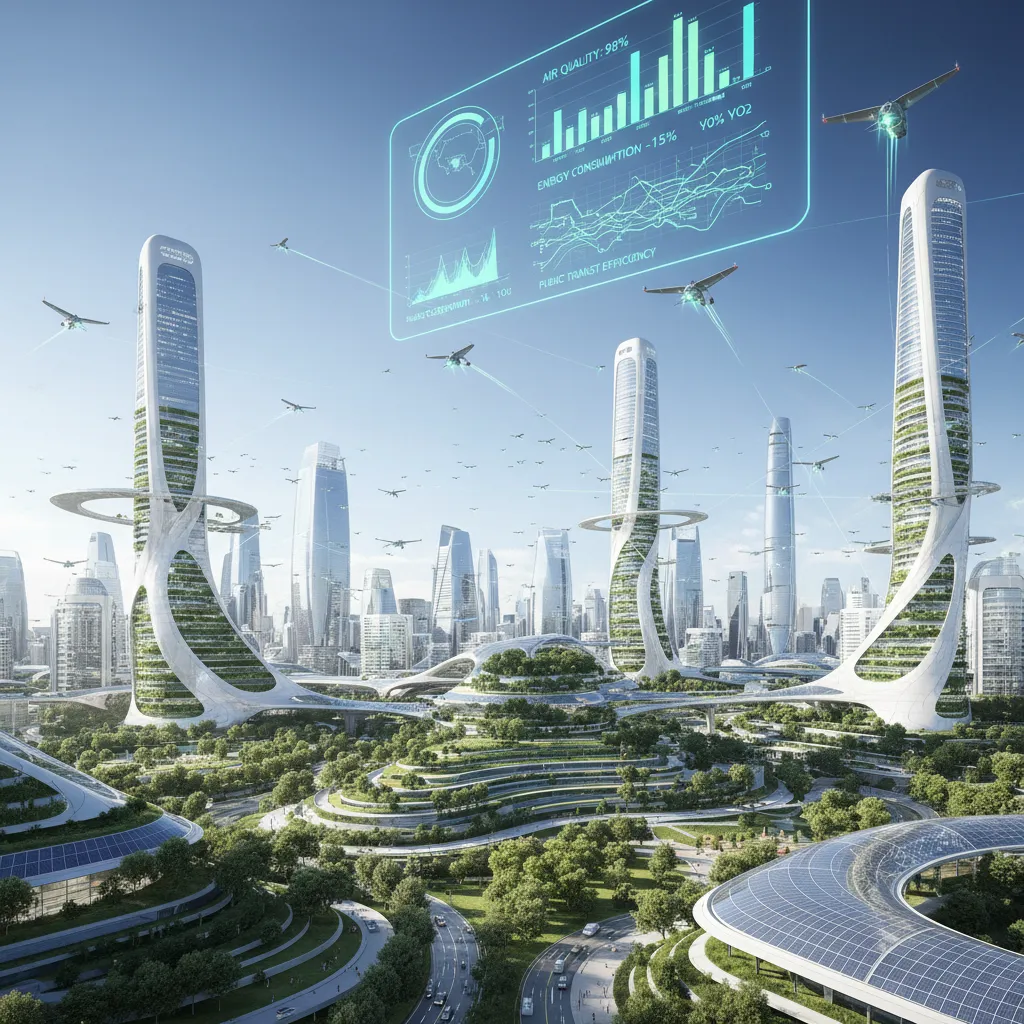
Our cities are growing at an unprecedented rate. By 2050, the United Nations projects that 68% of the world’s population will live in urban areas. This rapid urbanization places immense pressure on our infrastructure, resources, and environment, demanding a radical rethinking of how we design, build, and manage our metropolitan hubs. The challenge isn’t just to accommodate more people, but to do so sustainably, creating livable, equitable, and climate resilient cities. This is where the digital revolution meets the green revolution.
Artificial Intelligence (AI) is stepping out of the realm of science fiction and into the very blueprints of our future cities. It’s the silent architect, the unseen traffic conductor, and the vigilant environmental steward working behind the scenes. This article explores AI’s green blueprint—a transformative approach that leverages sustainable city tech to tackle urban challenges head-on. We’ll dive deep into how AI urban planning is not just a futuristic concept but a present-day reality, optimizing everything from energy grids and waste management to public transport and air quality. Prepare to discover how these smart city solutions are paving the way for a more sustainable, efficient, and vibrant urban future.
The Nexus of AI and Urban Sustainability: More Than Just a Smart City
The term “smart city” has been around for years, often evoking images of sensors, connected devices, and vast data streams. However, true urban sustainability AI goes beyond simple data collection. It’s about creating a cognitive urban ecosystem—one that can sense, learn, predict, and act autonomously to improve the quality of life for its citizens while minimizing its ecological footprint.
This marks a pivotal shift from reactive to proactive governance. Instead of fixing a power outage after it happens, an AI-powered grid can predict potential failures and reroute power to prevent them. Instead of building wider roads to ease traffic, smart traffic management AI can optimize signal timing and public transit routes in real-time to prevent congestion from forming in the first place.
This intelligent layer, powered by urban data analytics AI, allows planners to understand the complex, interwoven systems of a city as never before. It’s the key to unlocking true efficiency and building resilient urban systems capable of adapting to the challenges of climate change and population growth. The future of urban planning AI lies in this ability to model, simulate, and optimize the urban fabric for a greener tomorrow.
Related: Meta Llama 3: The Ultimate Guide to the New AI Model
Building the Foundations: AI in Sustainable Infrastructure and Design
Before a city can become truly smart, its foundations must be intelligently designed. AI is playing a critical role in the earliest stages of smart urban development, ensuring that sustainability is built into the very DNA of our infrastructure.
Intelligent Infrastructure Planning
Traditionally, infrastructure planning has been a slow, data-intensive process with a high margin for error. AI infrastructure planning changes the game by using machine learning models to analyze geographic, environmental, social, and economic data. These systems can:
- Simulate Development Scenarios: Planners can run thousands of simulations to see how a new subway line, housing development, or green space would impact traffic flow, air quality, and property values, helping them make data-driven decisions.
- Optimize Land Use: AI algorithms can identify the most suitable locations for renewable energy installations, public parks, or affordable housing based on a multitude of factors, ensuring an eco-friendly urban design.
- Predict Maintenance Needs: By analyzing data from sensors embedded in bridges, pipes, and roads, AI can predict when maintenance will be required, preventing costly failures and extending the lifespan of critical sustainable infrastructure.
The Rise of AI-Powered Intelligent Buildings
The buildings where we live and work are responsible for nearly 40% of global energy-related carbon emissions. AI intelligent buildings are a cornerstone of creating carbon neutral cities AI aims for. These structures are not just passive shelters but active participants in the urban ecosystem.
AI-driven Building Management Systems (BMS) can:
- Optimize Energy Consumption: AI learns the occupancy patterns of a building and adjusts lighting, heating, and cooling in real-time to minimize waste, a key component of ai energy efficiency cities.
- Integrate with the Smart Grid: Intelligent buildings can communicate with the city’s energy grid, drawing power during off-peak hours and even feeding stored energy back into the grid during times of high demand.
- Enhance Occupant Well-being: These systems can also monitor indoor air quality, adjust lighting based on natural daylight, and create a healthier, more productive environment for people inside.
Optimizing Urban Flows: Energy, Waste, and Water Management
A city is a living organism, defined by the constant flow of resources. AI is the central nervous system that can optimize these flows for maximum efficiency and minimal environmental impact.
Crafting Climate Resilient Cities with Smart Energy Grids
An unstable power grid is one of the biggest threats to a modern city. AI is transforming traditional grids into smart, self-healing networks.
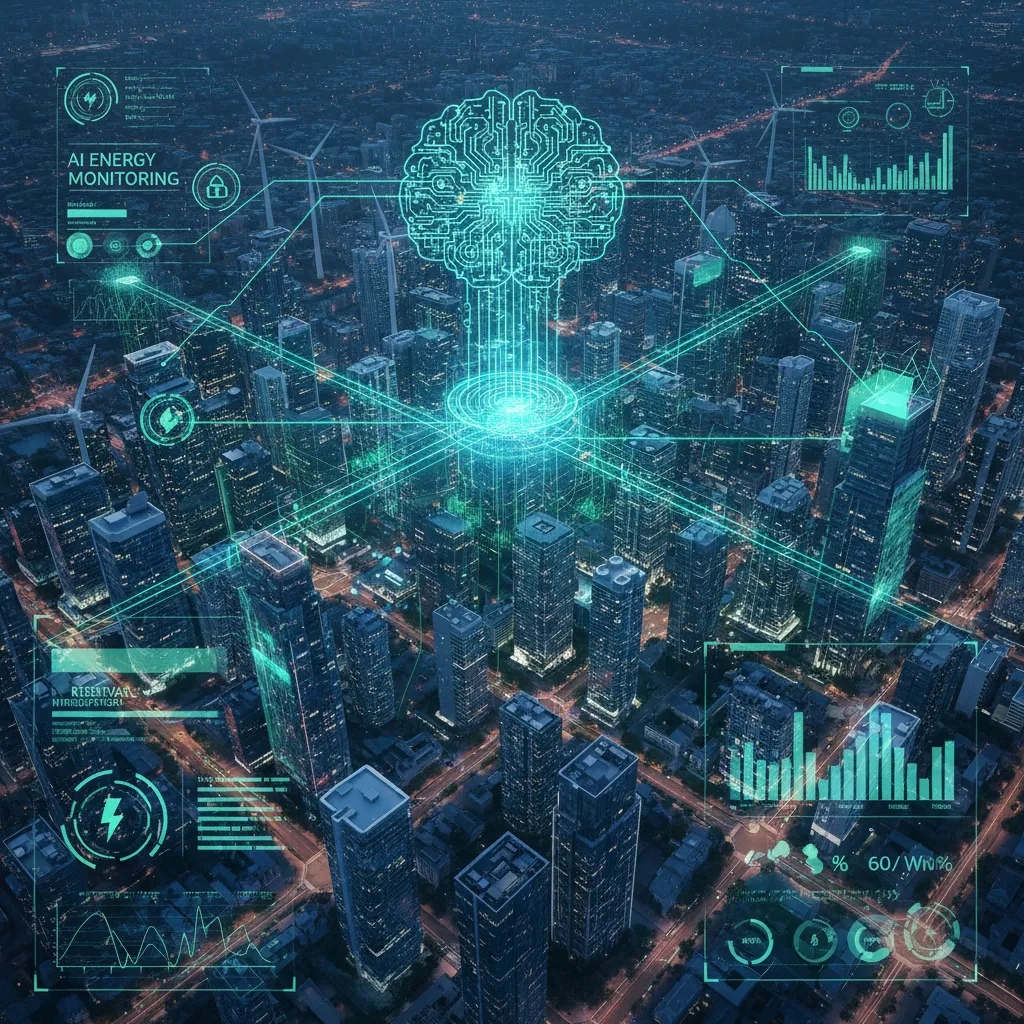
A smart grid powered by green technology urban planners use can:
- Forecast Demand and Supply: AI accurately predicts energy demand based on weather, holidays, and social events, while also forecasting output from variable sources like wind and solar.
- Integrate Renewables Seamlessly: This predictive power is crucial for the stable renewable energy urban integration, allowing the grid to rely more heavily on clean energy without sacrificing reliability.
- Prevent Outages: By analyzing sensor data, AI can detect anomalies that signal a potential failure and automatically reroute power or isolate the fault before it causes a blackout.
Revolutionizing Waste Management for a Circular Economy
The “take-make-waste” model of consumption is unsustainable. AI is a critical enabler of circular economy urban planning, where waste is minimized and resources are kept in use for as long as possible.
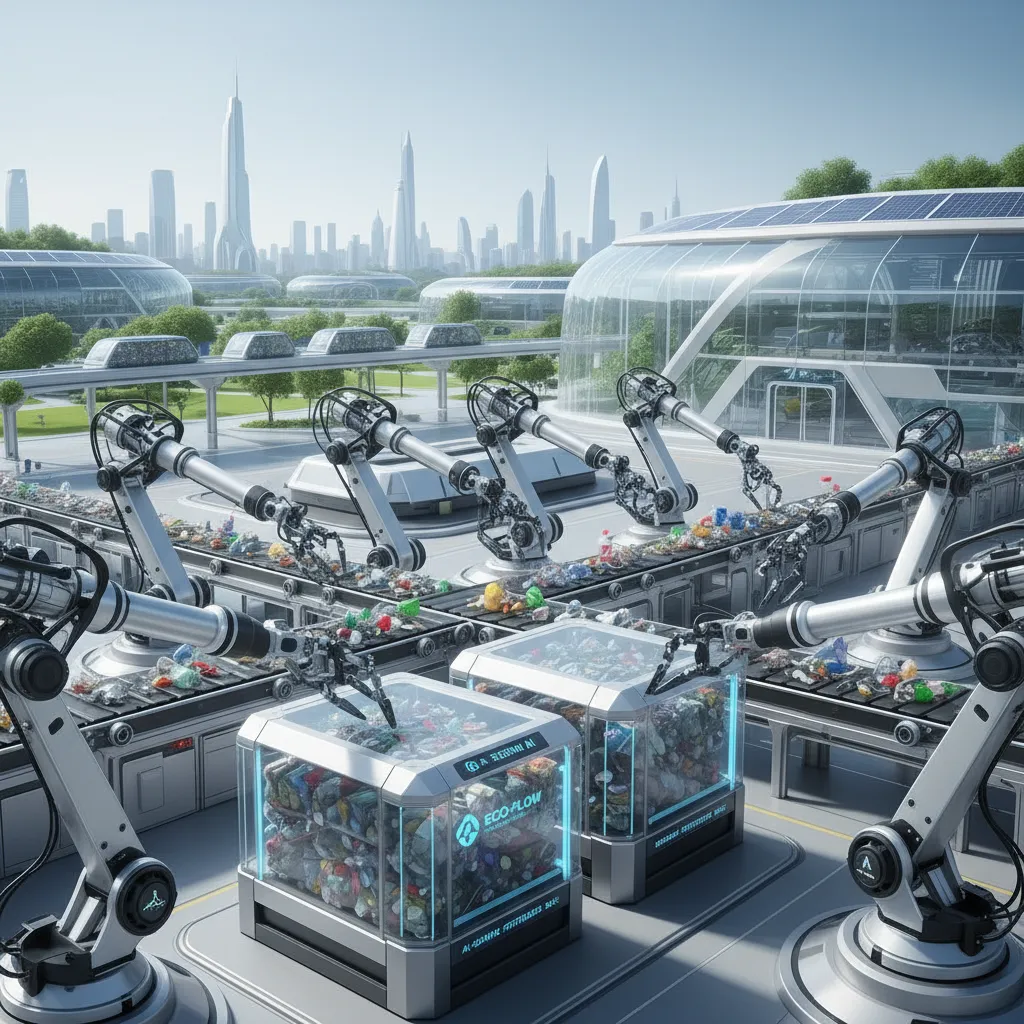
Here’s how waste management AI cities are implementing works:
- Automated Sorting: AI-powered robots use computer vision to identify and sort recyclables with superhuman speed and accuracy, drastically improving the quality and quantity of recycled materials.
- Optimized Collection Routes: Smart bins with sensors signal when they are full, allowing AI to generate the most fuel-efficient collection routes for sanitation trucks, reducing emissions and operational costs.
- Waste Generation Analytics: By analyzing waste data, cities can identify high-waste areas and design targeted campaigns to promote reduction and recycling, fostering a more sustainable culture.
Related: AI in the Kitchen: Reshaping the Future of Food and Gastronomy
AI-Driven Water Management for Urban Resilience
Clean water is a finite resource, and cities are on the front lines of managing it. AI water management urban systems are essential for conservation and security. AI can analyze data from sensors in the water distribution network to detect leaks in real-time, saving billions of gallons of water annually. Furthermore, it helps forecast demand to ensure a stable supply and monitors water quality continuously to safeguard public health. This proactive approach to sustainable resource management is vital for water-scarce regions.
Redefining Mobility: AI for Smarter, Greener Transportation
Traffic congestion is more than just an annoyance; it’s a major source of pollution and economic loss. AI is at the heart of creating sustainable mobility solutions that are cleaner, faster, and more equitable.
Intelligent Traffic Management Systems
Forget static traffic light timers. The future is adaptive and intelligent. Smart traffic management AI uses a network of cameras and sensors to analyze traffic flow in real-time.

The system can:
- Adjust signal timings dynamically to clear bottlenecks and keep traffic moving smoothly.
- Reroute drivers around accidents or congestion via navigation apps.
- Give priority to emergency vehicles and public transportation, reducing response times and encouraging ridership.
This holistic view of the city’s streets significantly reduces idling time, cutting down on fuel consumption and the overall ai environmental impact.
The Future is Shared: AI Public Transport Optimization
Efficient and reliable public transportation is the backbone of any sustainable city. AI public transport optimization is making services more convenient and responsive to rider needs. AI algorithms can analyze ridership data to optimize routes and schedules, ensuring buses and trains are where they are needed most. For fleets of buses, electric vehicles, or trains, AI predicts maintenance needs, preventing breakdowns and service disruptions. Some cities are even experimenting with on-demand shuttle services, where AI calculates the most efficient route to pick up and drop off multiple passengers, offering a convenient alternative to private car ownership.
Related: AI-Powered Investing: Using Predictive Analytics for Smarter Financial Decisions
Enhancing Quality of Life: Environment and Citizen Engagement
Ultimately, the goal of a sustainable city is to be a great place to live. AI is being used to improve the urban environment and strengthen the connection between citizens and their government.
Real-Time Air Quality Monitoring and Prediction
Pollution is an invisible threat to public health. AI air quality monitoring systems use data from fixed and mobile sensors to create high-resolution maps of air quality across the city. Machine learning models can then predict how pollution plumes will travel, allowing authorities to issue timely health warnings and implement temporary traffic restrictions to mitigate the worst effects.
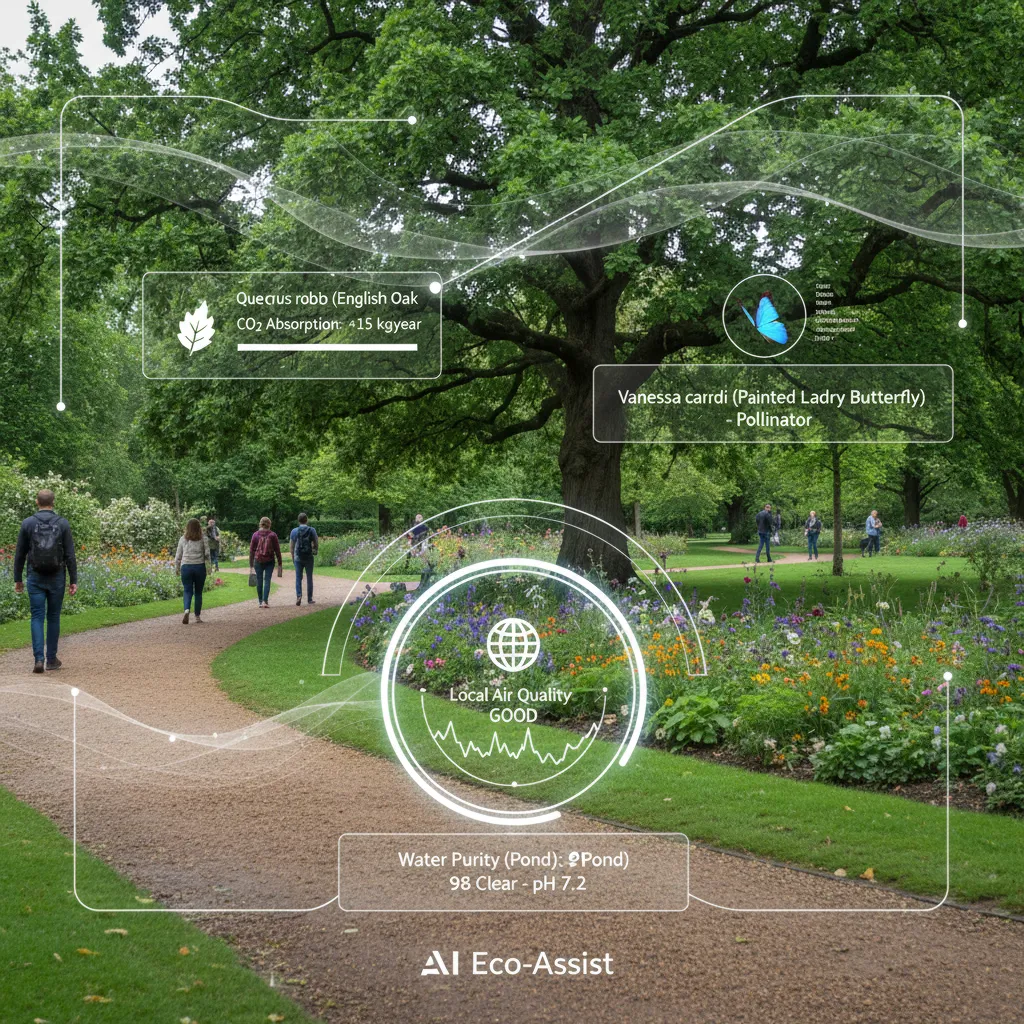
This data-driven approach empowers both citizens and policymakers to make healthier decisions, contributing to the vision of ai for green cities.
Fostering Community with AI-Powered Citizen Engagement
A smart city is one that listens to its residents. AI citizen engagement smart cities platforms are making it easier for people to participate in their local government. AI-powered chatbots can answer resident queries 24/7, while natural language processing can analyze feedback from social media, emails, and public forums to identify key concerns and trends. This allows city officials to be more responsive and to allocate resources to the issues that matter most to the community, building trust and fostering a sense of shared ownership in the city’s future.
Related: AI Customer Experience: The Ultimate Guide to Personalization and Engagement
The Challenges and Ethical Blueprint for AI in Urbanism
The promise of future cities technology is immense, but it is not without its challenges. As we integrate AI deeper into the fabric of our cities, we must navigate significant ethical and practical hurdles:
- Data Privacy: Smart cities run on data, much of it personal. Strong governance and transparent policies are essential to protect citizens’ privacy and prevent misuse of information.
- Algorithmic Bias: If the data used to train AI models reflects existing societal biases, the AI’s decisions can perpetuate or even amplify inequality. For example, a transit optimization algorithm could inadvertently reduce service to low-income neighborhoods if not designed with equity as a core principle.
- The Digital Divide: Not everyone has equal access to technology or the skills to use it. Cities must ensure that the benefits of smart solutions are accessible to all residents, regardless of age, income, or ability.
- Security and Resilience: A heavily connected city is also a potential target for cyberattacks. Building robust cybersecurity into the design of these systems is non-negotiable for creating truly resilient urban systems.
Addressing these challenges requires a human-centric approach to ai in urban design, focusing on transparency, accountability, and inclusivity from the very beginning.
Conclusion
The journey toward a sustainable urban future is complex, but the blueprint is becoming clearer. Artificial Intelligence is the master tool that enables us to analyze complexity, optimize systems, and design cities that are not just smarter, but also greener, more resilient, and more equitable. From the sustainable infrastructure beneath our feet to the intelligent buildings that shape our skylines, and from the clean energy that powers our lives to the optimized transport that moves us, AI is the driving force behind a paradigm shift in urban living.
This isn’t about creating sterile, automated utopias. It’s about using future of urban planning ai to empower human planners, enhance our natural environment, and foster stronger communities. By embracing this green blueprint, we can build the cities of tomorrow—vibrant, thriving ecosystems where both people and the planet can flourish.
Frequently Asked Questions (FAQs)
Q1. How is AI used in sustainable urban planning?
AI is used in sustainable urban planning to analyze vast datasets for optimizing various urban systems. This includes designing energy-efficient buildings, creating smart grids for renewable energy integration, optimizing traffic flow to reduce emissions, managing waste and water resources intelligently, and monitoring air quality in real-time. It enables a shift from reactive problem-solving to proactive, predictive management for a greener urban environment.
Q2. What are the benefits of smart city technologies?
The primary benefits include enhanced sustainability, improved efficiency, and a better quality of life for citizens. Specifically, these technologies lead to reduced energy consumption, lower carbon emissions, less traffic congestion, more efficient public services (like waste collection and transport), improved public safety, and greater citizen engagement in local governance.
Q3. What is an example of an AI-driven smart city project?
Singapore’s “Smart Nation” initiative is a prime example. The city-state uses AI to manage traffic with a system that adapts signal timings in real-time based on traffic flow, reducing congestion. They also deploy sensors to monitor energy and water usage in buildings and use predictive analytics for maintaining public infrastructure, embodying many principles of smart urban development.
Q4. What are the main challenges of implementing AI in cities?
The main challenges include ensuring data privacy and security, avoiding algorithmic bias that could lead to social inequity, bridging the digital divide to ensure all citizens benefit, the high initial cost of investment in new technology, and the need for a skilled workforce to manage and maintain these complex systems.
Q5. How can AI help reduce a city’s carbon footprint?
AI can significantly reduce a city’s carbon footprint in several ways. It optimizes energy grids to favor renewable sources (carbon neutral cities ai), makes buildings more energy-efficient, reduces vehicle idling and travel times through smart traffic management, optimizes public transport routes, and enables a circular economy through better waste sorting and resource management.
Q6. What is the role of urban data analytics in sustainable planning?
Urban data analytics AI is the engine behind smart sustainable planning. It involves collecting and analyzing data from sensors, mobile devices, and public records to understand urban dynamics. This analysis provides actionable insights for planners to make informed decisions about infrastructure development, resource allocation, environmental policies, and mobility solutions, ensuring they are effective and sustainable.