AI for Ethical Wildlife Tourism: Tech’s Role in Sustainable Adventures
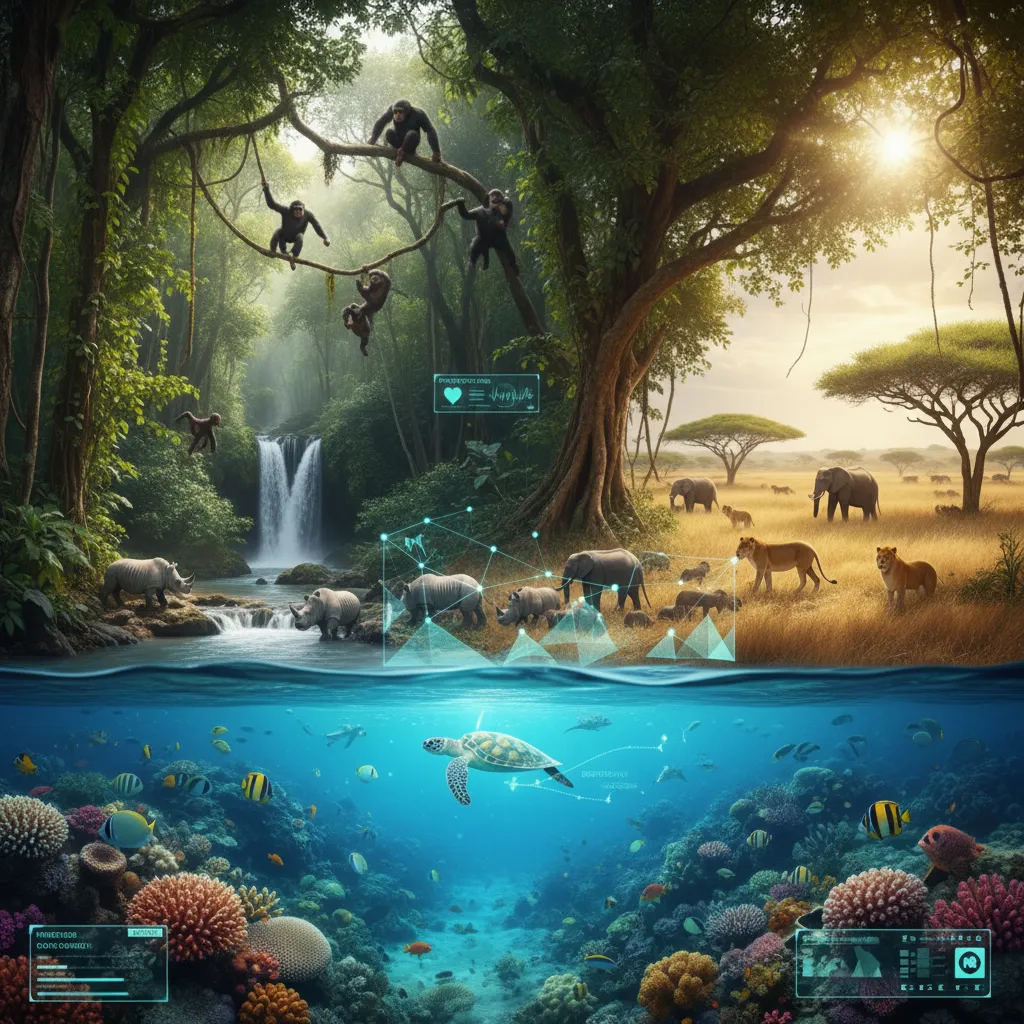
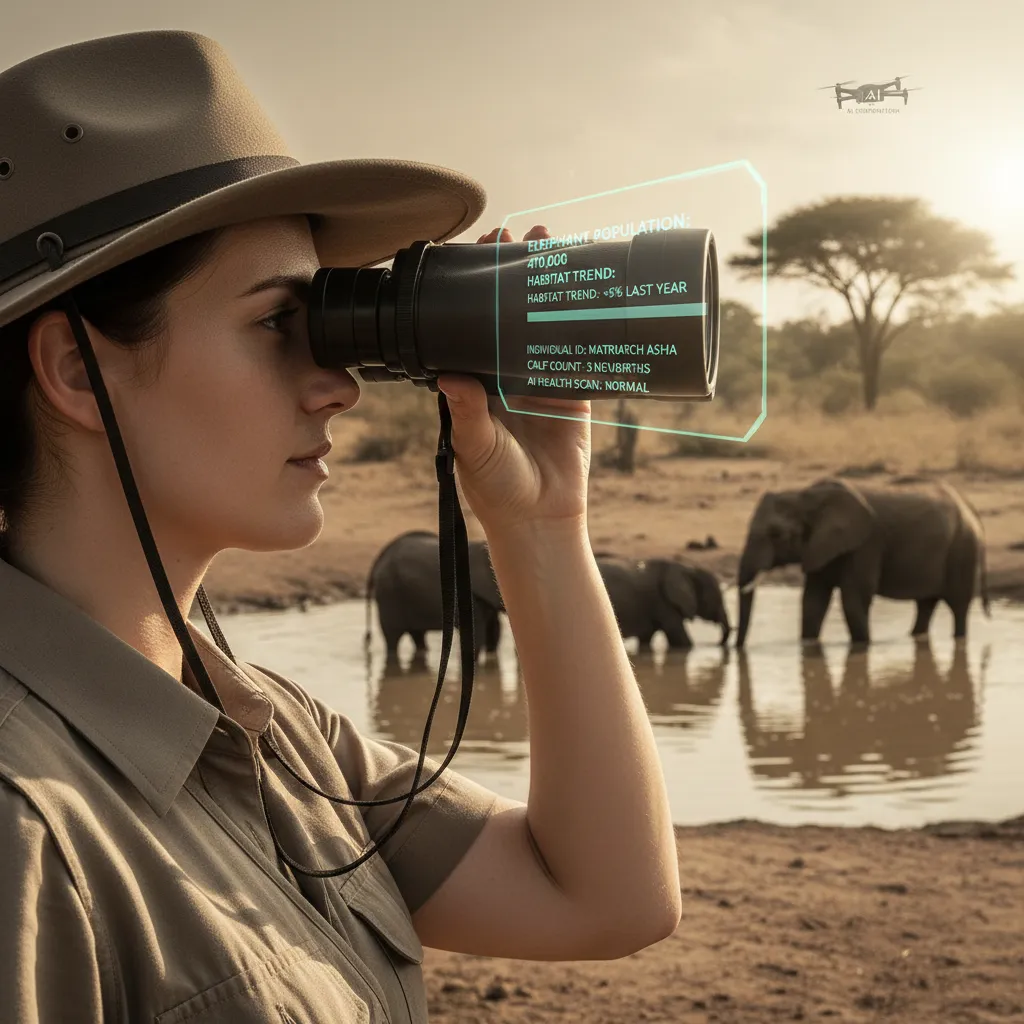
Imagine standing in the African savanna, watching a herd of elephants. But instead of just seeing them, you see their story. Through your phone or a pair of smart glasses, you learn their names, family ties, and recent movements—all without disturbing their peace. This isn’t science fiction; it’s the future of ethical wildlife tourism, powered by Artificial Intelligence. For decades, tourism has been a double-edged sword for the planet’s most majestic creatures. It funds conservation but can also lead to stress, habitat disruption, and exploitation. Now, a wave of responsible travel innovation is underway, with conservation AI at its core.
This article explores the transformative role of AI in ethical wildlife tourism. We’ll journey from AI-driven safari planning that avoids over-tourism to on-the-ground tech that protects endangered species from poachers. You’ll discover how ecotourism technology is not only safeguarding animals but also creating deeper, more meaningful connections between humans and the natural world. Get ready to see how your next adventure could contribute directly to smart conservation and a more sustainable future for our planet’s incredible biodiversity.
The Problem with Traditional Wildlife Tourism: A Double-Edged Sword
For years, the mantra has been that tourism funds conservation. While there’s truth to this, the reality is far more complex. The very presence of humans, however well-intentioned, can have unintended consequences.
- Animal Stress: Constant vehicle traffic, loud noises, and close encounters can cause chronic stress in animals, affecting their feeding, breeding, and social behaviors.
- Habitat Disruption: The construction of lodges, roads, and other infrastructure fragments habitats. Off-road driving can damage delicate ecosystems and disturb ground-nesting birds.
- “Greenwashing”: Many operators market themselves as “eco-friendly” without implementing meaningful conservation practices. It’s often difficult for travelers to distinguish genuine ethical sanctuaries from exploitative attractions.
- Increased Poaching Risk: In some cases, tourist activity can inadvertently provide information to poachers about the location of vulnerable animals.
The challenge is clear: how do we continue to support conservation through tourism without loving these places and their inhabitants to death? This is where AI for animal welfare and sustainable wildlife travel tech enter the picture, offering a powerful new set of tools to tip the balance in favor of nature.
How AI is Redefining Ethical Animal Encounters
Artificial intelligence isn’t about replacing the raw, authentic experience of seeing an animal in its natural habitat. Instead, it acts as an invisible guardian, a data-driven warden that works 24/7 to protect, monitor, and create a safer environment for both wildlife and visitors. The core principle of this nature tech revolution is shifting from intrusive observation to intelligent, non-invasive insight. This new era of eco-conscious travel AI can be broken down into three key phases of the traveler’s journey.
Phase 1: AI-Driven Safari Planning for Responsible Travel
Your ethical adventure begins long before you pack your bags. The choices you make during the planning phase have a massive ripple effect. AI is now making it easier than ever to make informed, responsible decisions.
Predictive Analytics for Sustainable Itineraries
Overtourism doesn’t just happen in cities; it’s a major problem in popular national parks, leading to traffic jams of safari vehicles around a single lion pride. Predictive analytics tourism models can process vast datasets—including historical animal movement, weather patterns, and past visitor numbers—to:
- Suggest optimal travel times to distribute tourists more evenly throughout the year.
- Design low-impact itineraries that explore less-crowded areas, reducing pressure on popular spots.
- Forecast wildlife sightings to guide visitors, minimizing the need for disruptive off-road tracking.
This data-driven approach ensures a better experience for the traveler and a less stressful environment for the animals. [Related: AI-Powered Investing: Predictive Analytics for Smarter Financial Decisions]
Ethical Operator Vetting with AI
How can you be sure your tour operator is truly committed to conservation? AI algorithms can now act as powerful vetting tools. They can scan thousands of online reviews, social media posts, official certifications, and news reports, using natural language processing (NLP) to detect patterns. This analysis can flag:
- Reports of unethical practices like animal baiting or overcrowding.
- Inconsistencies between marketing claims and customer experiences.
- Positive mentions of conservation initiatives and community involvement.
These responsible tourism AI tools empower travelers to see past the glossy brochures and invest their money in companies that genuinely prioritize wildlife welfare.
Phase 2: On-the-Ground AI Applications for Wildlife Protection
Once you arrive, AI’s role shifts from planning to active protection. This is where wildlife protection technology has seen its most dramatic advancements, creating a digital shield around protected areas.
Smart Monitoring & Anti-Poaching
The fight against poaching is a high-stakes battle of wits. AI gives conservationists a critical advantage.
- AI-Powered Drones and Camera Traps: Drones equipped with thermal cameras and computer vision can patrol vast areas, day and night. The AI can instantly distinguish between a human and an animal, alerting rangers to potential threats in real-time. Similarly, AI analyzes footage from camera traps, automating the tedious process of identifying poachers or signs of illegal activity.
- Acoustic Sensors: An array of sensors can be placed throughout a reserve, listening for specific sounds. AI algorithms are trained to identify the acoustic signature of a gunshot, a chainsaw, or a poacher’s vehicle, instantly triangulating the location and dispatching a response team.
- Predictive AI: By analyzing data on past poaching incidents, weather, and terrain, AI models can predict where and when poachers are most likely to strike. This allows ranger patrols to be deployed more effectively, acting as a deterrent rather than just a response force. [Related: AI in Finance 2024: Top Tools & Trends]
Real-Time Habitat and Animal Welfare Monitoring
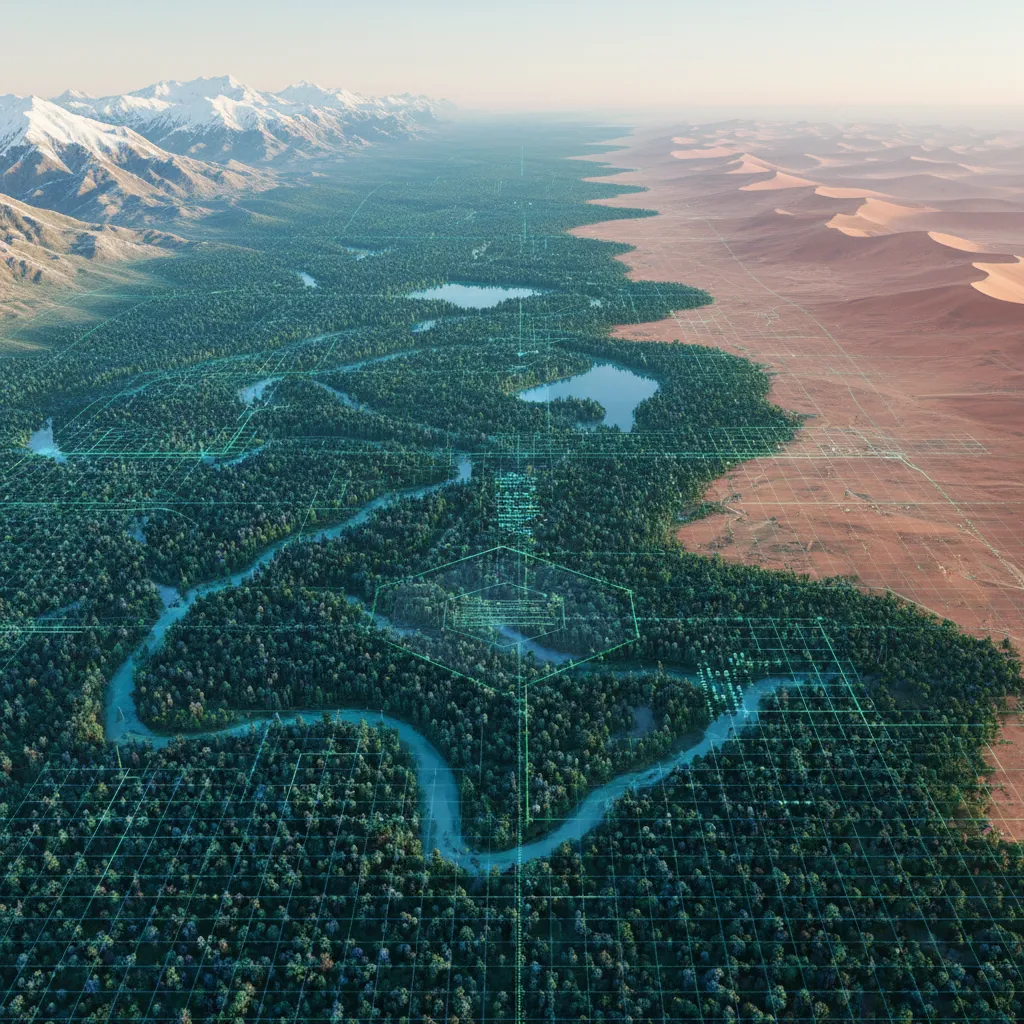
Protecting animals also means protecting their homes. Habitat monitoring AI uses satellite imagery and machine learning to track deforestation, water source depletion, and the spread of invasive species on a massive scale.

Furthermore, AI contributes directly to AI for animal welfare through non-invasive monitoring. Researchers can now use image recognition to identify individual animals from their unique markings—a tiger’s stripes, a whale shark’s spots, or a giraffe’s coat pattern. By tracking these individuals over time through photos (often supplied by tourists!), AI can monitor their health, migration patterns, and social structures without ever needing to tag or tranquilize them.
Enhancing the Traveler Experience Without Harming Wildlife
Ethical tourism isn’t about sacrificing the magic of the experience; it’s about enhancing it in a way that respects the wildlife. Immersive wildlife tech and AI tourism applications are creating novel ways to connect with nature.
Augmented Reality (AR) for Deeper Connection
Imagine looking at a silverback gorilla through your phone and seeing an AR overlay that identifies him as “Isabukuru,” the 25-year-old leader of his family, while also displaying information about his group’s conservation status. This technology allows for a rich, educational experience from a safe and respectful distance. It satisfies our curiosity without intrusion, making it a cornerstone of ethical animal encounters AI. [Related: The Future of Immersive Travel: How AI, AR, and VR are Changing How We Explore the World]
Citizen Science: Turning Tourists into Conservationists
One of the most exciting developments is citizen science AI tourism. Mobile apps now empower travelers to become active participants in conservation. When you take a photo of a zebra, you can upload it to a platform like Wildbook or iNaturalist.
The app’s AI:
- Identifies the species.
- Analyzes the unique stripe pattern to see if this specific individual is already in the database.
- Records the GPS location and time of the sighting.
Your holiday snapshot becomes a valuable data point, helping scientists monitor population health, migration routes, and the overall biodiversity of an ecosystem. This transforms a passive vacation into a form of impact travel tech.

Virtual Wildlife Experiences for the Untouchable
Some animals are too rare, shy, or endangered for any level of tourism. For these species, virtual wildlife experiences offer a powerful alternative. Using high-resolution footage and advanced AI rendering, companies can create breathtaking VR and AR encounters. You can “swim” with a vaquita or “hike” through the mountains to see a snow leopard without ever leaving a conservation center. This generates awareness and revenue while placing zero stress on the animals themselves. [Related: AI in Gaming: Revolutionizing Worlds, Players, and Development]
The Broader Ecosystem of Conservation AI
The impact of AI extends beyond the immediate tourist trail, influencing the entire operational backbone of sustainable tourism.
Blockchain for Unprecedented Transparency
How do you know your park fee or donation is actually being used for conservation? Blockchain ethical tourism provides a solution. By creating a secure, transparent, and unchangeable digital ledger, blockchain technology can track funds from the moment a tourist pays to the moment they are spent on ranger salaries or habitat restoration projects. This accountability builds trust and encourages more impactful giving. [Related: Decentralized Science (DeSci): Can Blockchain and AI Revolutionize Research?]
Reducing the Tourism Footprint
AI is also being used behind the scenes to make lodges and camps more sustainable. Smart systems can optimize energy and water usage based on occupancy rates and weather forecasts. AI-driven logistics can plan more efficient supply routes, reducing fuel consumption and emissions. This focus on reducing tourism impact AI is a critical, though often invisible, part of the sustainability puzzle.
The Challenges and Ethical Roadblocks
Of course, the implementation of conservation AI is not without its challenges.
- Data Security: The same systems used to track animals could be hacked by sophisticated poaching syndicates. Protecting this data is paramount.
- The Digital Divide: High-tech solutions can be expensive. It’s crucial to ensure that local communities are trained and employed to manage these systems, so they benefit directly from this technological shift.
- Over-Reliance on Tech: Technology should assist, not replace, the invaluable knowledge of local guides and indigenous communities who have understood these ecosystems for generations.
- Authenticity vs. Mediation: There’s a fine line to walk. We must ensure that technology enhances our appreciation for nature, rather than becoming a digital barrier that distances us from the real thing.
Conclusion: A Partnership Between Humanity, Nature, and AI
Artificial intelligence is rapidly emerging as one of the most powerful allies in the quest for ethical wildlife tourism. From AI-driven safari planning that mitigates human impact to real-time monitoring that protects vulnerable species, this technology is fostering a more respectful and sustainable relationship with the natural world.
It allows us to be more than just spectators; it empowers us to be guardians. By leveraging responsible tourism AI tools, we can enhance our experiences, contribute directly to wildlife conservation, and ensure that future generations have the same opportunity to be awed by our planet’s incredible biodiversity.
The future of travel isn’t about choosing between adventure and ethics. It’s about using powerful tools like AI to have both. The next time you plan a wildlife adventure, ask the questions: How is technology being used here? Is my visit actively contributing to conservation? By doing so, you become part of the solution, championing a new era where every journey leaves a positive legacy.
Frequently Asked Questions (FAQs)
How does AI help promote ethical tourism?
AI promotes ethical tourism by providing tools for both travelers and conservationists. It helps travelers vet tour operators for genuinely sustainable practices, plans low-impact itineraries to prevent over-tourism, and facilitates non-invasive animal encounters through AR. For conservationists, it powers anti-poaching systems and monitors habitat health.
What is AI’s role in wildlife conservation?
AI’s role in wildlife conservation is vast and growing. Key applications include using machine learning and computer vision to analyze drone and camera trap footage for poachers, identifying individual animals for population monitoring, predicting poaching hotspots, and analyzing satellite data to track deforestation and habitat loss.
Can AI really stop poaching?
While not a silver bullet, AI is a powerful force multiplier that significantly improves anti-poaching efforts. AI-powered systems can monitor vast areas more effectively than human patrols alone, predict poacher movements, and provide real-time alerts that enable rapid response from rangers, dramatically increasing the chances of interception and prevention.
What are some examples of AI tools used in wildlife tourism?
Examples include platforms like ‘Wildbook’ which uses image recognition to identify individual animals from tourist photos. Apps like ‘iNaturalist’ use AI to help citizen scientists identify species. Behind the scenes, predictive analytics platforms help tour companies optimize routes, and security systems like PAWS (Protection Assistant for Wildlife Security) use AI to predict poaching activity.
Are there any downsides to using AI in wildlife conservation?
Yes, there are challenges. These include the high cost and technical expertise required for implementation, the risk of data being hacked by poachers, and the potential for over-reliance on technology at the expense of local and indigenous knowledge. Ensuring equitable access and benefits for local communities is also a critical ethical consideration.
How can travelers use AI for more responsible trips?
Travelers can use AI-powered review analysis tools to find genuinely ethical tour operators. They can participate in citizen science projects using apps that identify species from their photos, contributing valuable data to conservation efforts. They can also support destinations and companies that openly use AI tourism tech for monitoring and protection.
What is the difference between ecotourism and sustainable tourism?
Ecotourism is a subset of sustainable tourism. Ecotourism specifically focuses on travel to natural areas that conserves the environment, sustains the well-being of local people, and involves interpretation and education. Sustainable tourism is a broader concept that encompasses all types of travel and destinations, aiming to minimize negative social, economic, and environmental impacts while generating greater economic benefits for local people.