AI Drones for Wildlife: Guardians of Biodiversity & Conservation
Introduction
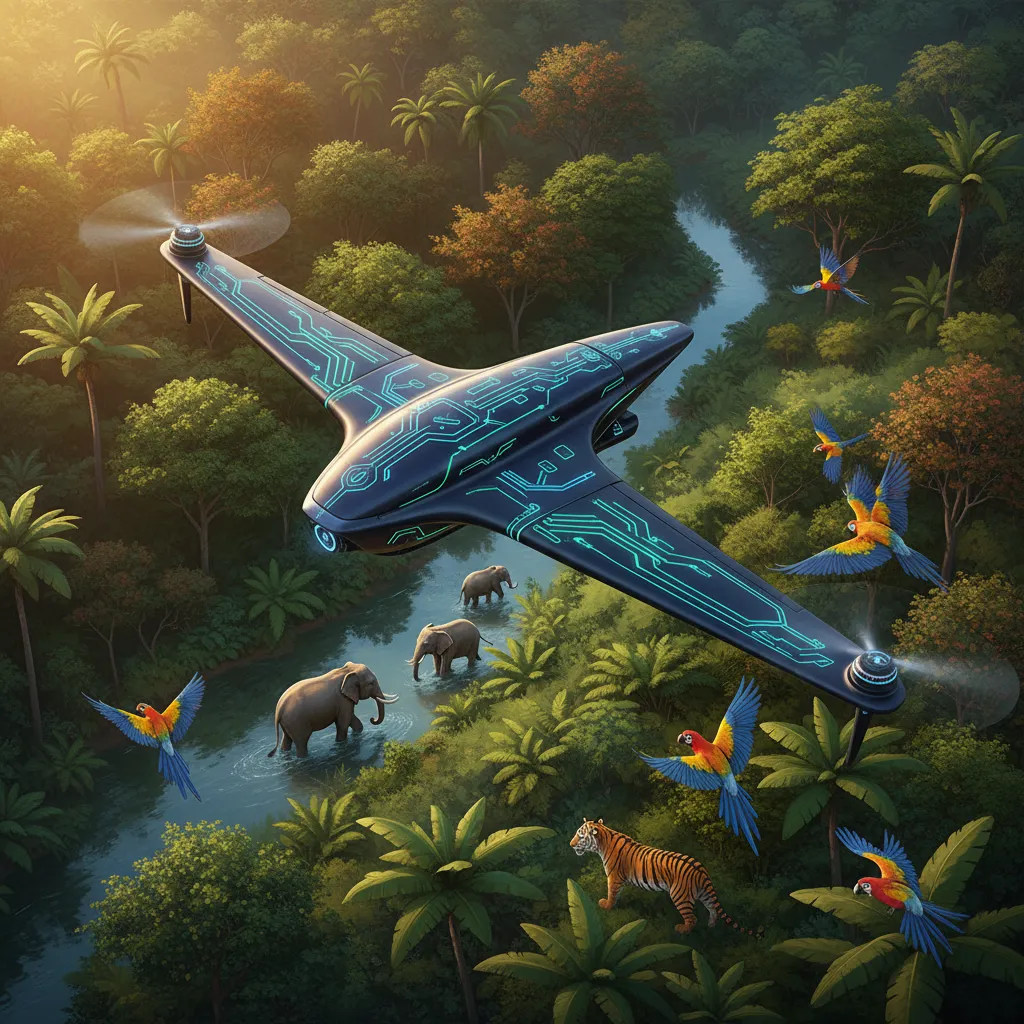
In the vast, untamed landscapes of our planet, a silent battle is being waged. From the dense jungles of the Congo to the sprawling savannas of the Serengeti, countless species face unprecedented threats from poaching, habitat loss, and climate change. For decades, the guardians of these ecosystems—dedicated rangers and conservationists—have fought this battle on the ground, often outnumbered and out-resourced. But what if we could give them an all-seeing eye in the sky?
Enter the powerful fusion of artificial intelligence and unmanned aerial vehicles (UAVs), commonly known as drones. This isn’t science fiction; it’s the new reality of AI wildlife conservation. These smart conservation drones are emerging as one of the most transformative tools in the fight to protect our planet’s biodiversity. By combining autonomous flight, advanced sensors, and intelligent data analysis, this drone technology conservation effort is shifting the paradigm from reactive to proactive protection.
This article delves into the incredible world of AI-powered conservation. We’ll explore how these aerial allies are revolutionizing everything from anti-poaching technology to large-scale biodiversity monitoring AI. You’ll discover the core mechanics behind these systems, their groundbreaking applications in the field, the challenges they face, and what the future of conservation tech holds for protecting endangered species and their habitats.
The Limits of Legacy: Why Conservation Needed a Tech Revolution
For generations, wildlife conservation has been a story of grit and determination. It involved grueling foot patrols over immense territories, painstaking manual animal counts from noisy, low-flying aircraft, and reactive responses to poaching incidents, often discovered long after the damage was done. While noble, these methods have critical limitations in the modern era.
- Scale and Accessibility: Many critical habitats are simply too large, remote, or dangerous for humans to monitor effectively and consistently.
- Data Scarcity and Inaccuracy: Manual surveys are costly, infrequent, and can stress wildlife. The data they produce is often a rough estimate, making it difficult to track population dynamics accurately.
- Reactive vs. Proactive: Ground patrols often find snares or carcasses, reacting to a crime already committed. They lack the real-time intelligence needed to prevent incidents before they happen.
- Human Risk: Patrolling for armed poachers is an incredibly dangerous job, and rangers face mortal threats daily.
These challenges highlight a critical need for environmental AI solutions that can cover more ground, collect better data, and provide the intelligence needed to stay one step ahead of the threats. This is precisely where the synergy of AI and drones creates a force multiplier for conservation efforts.
How AI and Drones Unite: An Ecosystem of Intelligent Protection
The magic isn’t just in the drone itself, but in the intelligent ecosystem it powers. It’s a seamless workflow that transforms pixels from the sky into actionable intelligence on the ground.
The Drones: High-Tech Eyes in the Sky
The drones used in conservation are far more than consumer-grade quadcopters. They are specialized tools, often ruggedized for harsh environments and equipped with sophisticated sensor payloads tailored for remote wildlife sensing.
- High-Resolution RGB Cameras: These capture incredibly detailed visual imagery, allowing AI to identify species, count individuals, and assess vegetation health from a safe altitude.
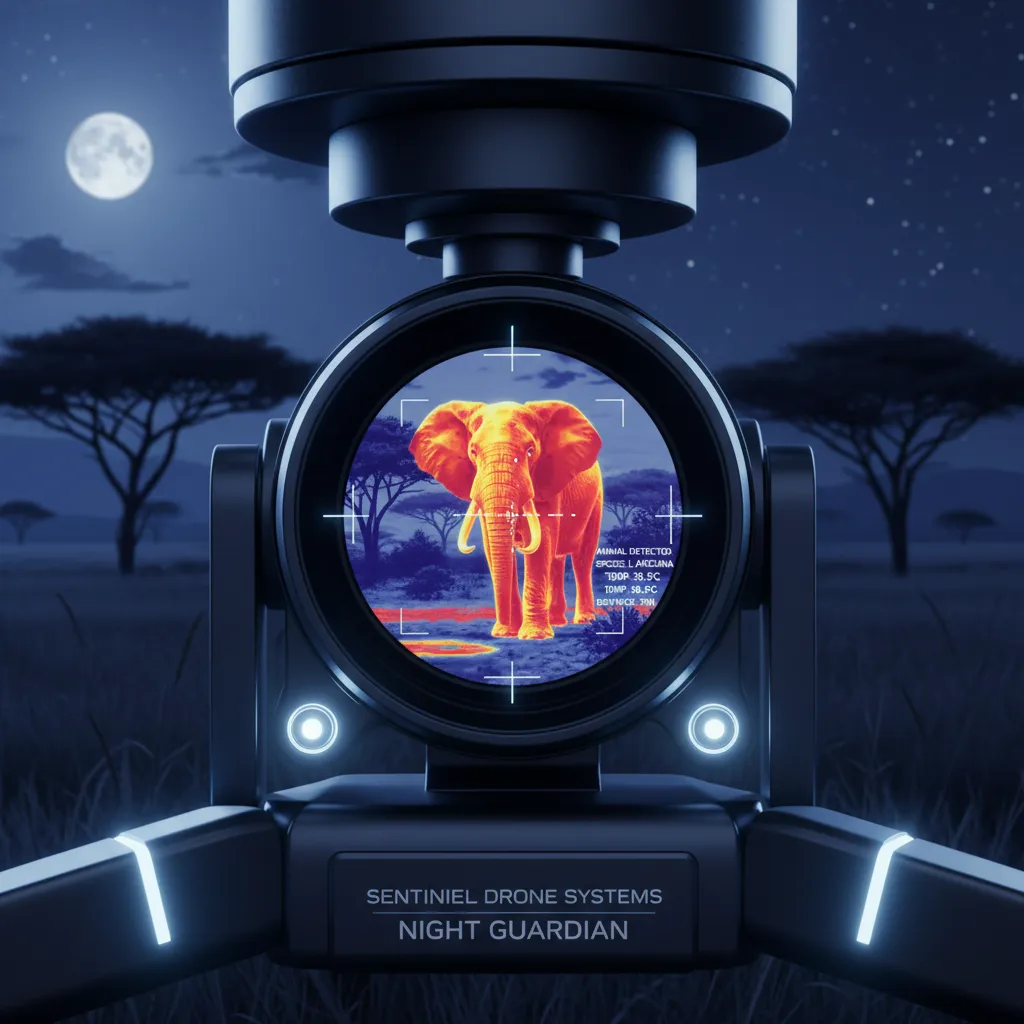
- Thermal Imaging Sensors: A true game-changer for drone anti-poaching efforts. These sensors detect heat signatures, making it possible to spot poachers and animals alike in complete darkness, through fog, or under dense forest canopies.
- LiDAR (Light Detection and Ranging): By bouncing laser pulses off the ground, LiDAR creates highly detailed 3D maps of the terrain and forest structure. This is invaluable for wildlife habitat mapping drones, helping researchers understand the complex environments animals depend on.
- Multispectral Sensors: These capture light from frequencies beyond the visible spectrum, revealing crucial information about plant health, water quality, and soil composition, providing a holistic view of an ecosystem’s vitality.
The AI Brain: From Raw Data to Actionable Insight
A single drone flight can generate terabytes of data—an impossible amount for humans to analyze manually. This is where artificial intelligence performs the heavy lifting, acting as the central nervous system for the entire operation.
Sophisticated machine learning models, particularly deep learning and computer vision algorithms, are trained on vast datasets of annotated images. This process of drone image recognition wildlife teaches the AI to perform complex tasks with superhuman speed and accuracy.
The AI can:
- Detect and Classify: It automatically scans thousands of images or video frames to locate animals, humans, or vehicles. It can then classify them, distinguishing a rhinoceros from a rock, or a tourist vehicle from a potential poacher’s truck.
- Count and Track: The AI enables precise and non-invasive AI for animal monitoring, conducting aerial censuses of large herds or tracking the movements of specific animal groups over time.
- Analyze Behavior: Advanced AI animal behavior analysis can flag anomalies. For instance, an animal running when it should be grazing or a herd congregating abnormally could signal a nearby threat, triggering an alert for rangers.
- Predict Threats: By analyzing patterns in poaching incidents, animal movements, and terrain data, predictive analytics models can identify high-risk areas and times, allowing for targeted patrols. This is a core component of modern drone analytics conservation.
This transformation of raw drone data for wildlife into strategic intelligence is what truly empowers conservationists, turning observation into intervention.

In the Field: Groundbreaking Applications of Smart Drones for Nature
The theoretical power of AI-assisted wildlife research and protection is already yielding incredible results in real-world conservation projects across the globe.
1. The 24/7 Sentry: Revolutionizing Anti-Poaching
This is perhaps the most urgent and impactful application. Wildlife protection drones equipped with thermal cameras have become a poacher’s worst nightmare.
Rangers can launch autonomous drones to patrol vast, high-risk areas at night. The AI scans the thermal feed in real-time, and if it detects a human heat signature in a restricted zone, it instantly sends an alert—complete with GPS coordinates—to a rapid-response team on the ground. This changes the game from finding a carcass the next morning to intercepting criminals in the act. Organizations like the Lindbergh Foundation’s Air Shepherd program have been pioneers in using this anti-poaching technology to protect elephants and rhinos in Africa, demonstrating a significant reduction in poaching incidents in their operational areas.
Related: Guardians of the Digital Frontier: How AI is Revolutionizing Cybersecurity
2. A Perfect Headcount: Accurate and Non-Invasive Population Monitoring
Counting animals is fundamental to conservation. It tells us if a species is recovering or declining. Traditional methods, like helicopter counts, are expensive, disturb animals, and can be inaccurate.
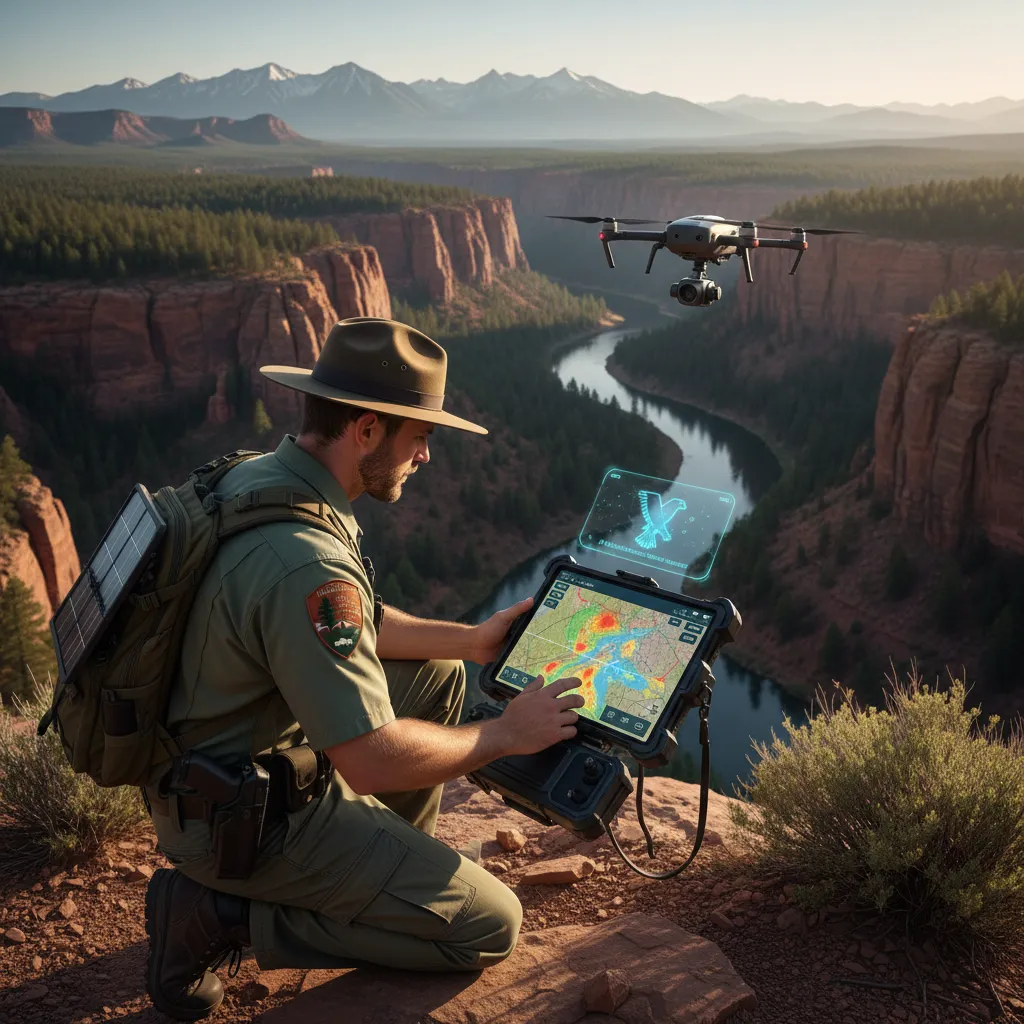
AI for ecological surveys using drones offers a superior alternative. Drones can fly in pre-programmed grid patterns, systematically photographing vast areas. The AI then processes these images, identifying and counting each animal with unparalleled accuracy. Researchers have used this method to count everything from sea lion colonies in Peru to koalas in Australia’s eucalyptus forests. This accurate data is critical for protecting endangered species by providing a true measure of their population status and the effectiveness of conservation strategies.
3. Blueprint of the Wild: Advanced Habitat and Biodiversity Mapping
An animal is only as healthy as its habitat. AI in environmental protection extends to monitoring the entire ecosystem. Drones equipped with LiDAR and multispectral sensors can create incredibly rich, detailed maps of the environment.
Conservationists can use this data to:
- Map Habitat Loss: Track deforestation or the spread of invasive plant species in near real-time.
- Assess Habitat Quality: Analyze vegetation health to determine if an area can support a certain animal population.
- Monitor Reforestation: Quantify the success of tree-planting initiatives by tracking canopy growth over time.
- Understand Resource Availability: Map water sources and foraging areas to understand and predict animal movements.
This level of detail in AI for natural resource management is essential for making informed decisions about land use and ecosystem restoration.
4. Bridging the Gap: Fostering Human-Wildlife Coexistence
As human populations expand, conflict with wildlife is becoming more frequent and dangerous for both sides. Drones offer a powerful tool for monitoring and managing these interactions.
In agricultural areas bordering national parks, drones can provide early warnings by detecting when elephants or other large animals are approaching farmlands. This gives communities time to use non-lethal deterrents to guide the animals away, preventing crop destruction and potentially violent confrontations. It’s a prime example of conservation innovation AI being used to create harmony at the boundary between human and animal worlds.
The Flip Side: Challenges and Ethical Hurdles
Despite its immense potential, the deployment of AI conservation efforts is not without its challenges. Acknowledging these hurdles is key to creating a truly sustainable conservation AI framework for the future.
- Technological Limitations: Drone battery life and flight range can limit the area covered in a single mission. Harsh weather conditions like high winds or heavy rain can ground operations entirely.
- Cost and Expertise: High-end conservation drones with advanced sensor payloads are expensive. Furthermore, operating them effectively and managing the resulting data requires specialized training for local teams.
- The “Arms Race”: As conservationists adopt more advanced technology, so too can sophisticated poaching syndicates. There’s a risk of them using their own drones for reconnaissance or attempting to hack or disable conservation drones.
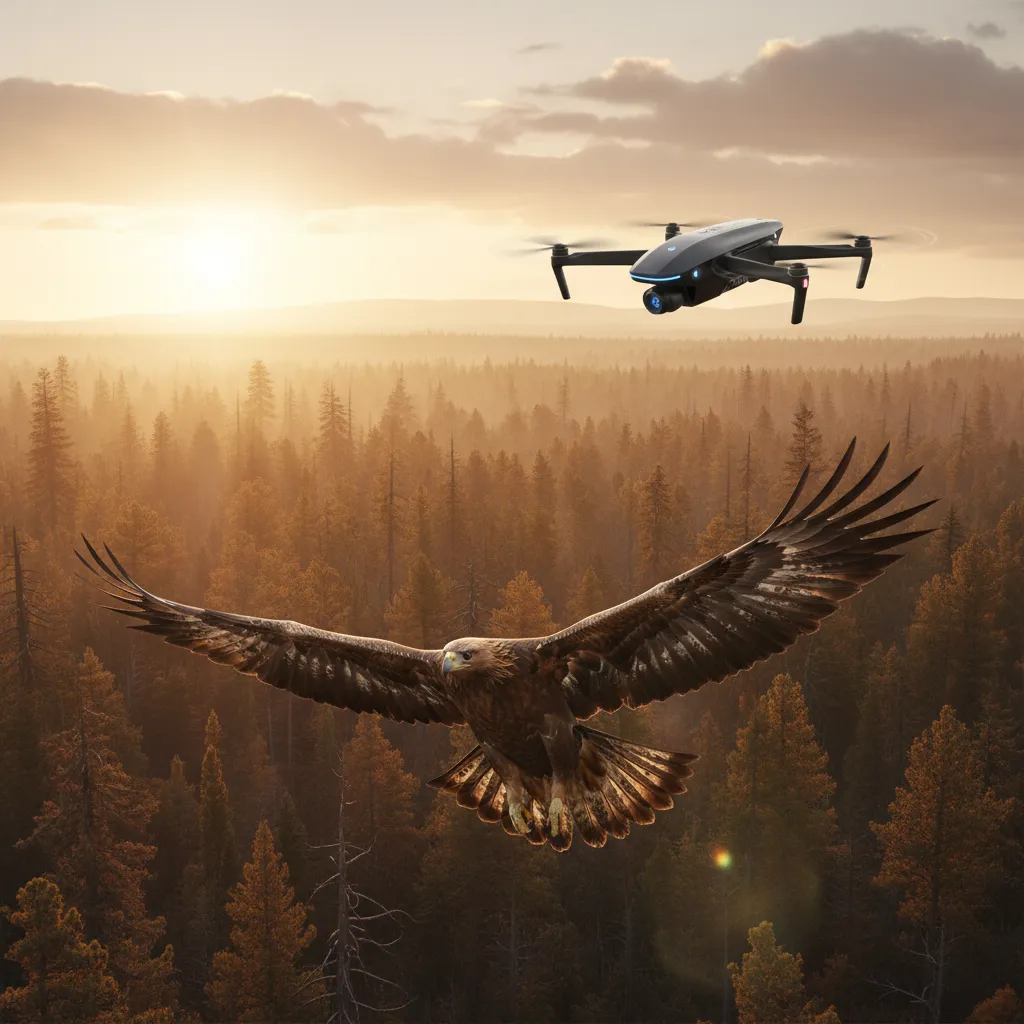
- Animal Disturbance: While less invasive than helicopters, the noise and presence of drones can still cause stress to certain sensitive species. Best practices and careful flight planning are essential to minimize impact.
- Data Security and Privacy: The vast amounts of data collected, especially if it includes imagery of nearby communities, raise important questions about data security and privacy that must be addressed responsibly.
Related: The Rise of AI Copilots: Revolutionizing Work, Boosting Creativity & Driving Innovation
The Future of Conservation Tech: Autonomous, Connected, and Predictive
We are only at the beginning of this technological revolution. The conservation technology 2024 landscape is evolving at a breakneck pace, with several exciting trends on the horizon.
- Drone Swarms: Imagine fleets of smaller, interconnected drones working together to survey an entire national park in a fraction of the time it takes a single drone today.
- On-board AI (Edge Computing): The next generation of smart drones for nature will process data directly on the drone itself. This means real-time threat detection and alerts without the need to first upload data, saving critical minutes in an anti-poaching scenario.
- Multi-Sensor Fusion: Future systems will integrate drone data with other sources like satellite imagery, acoustic sensors on the ground, and GPS collar data. This will create a comprehensive, multi-layered intelligence picture of an ecosystem.
- Greater Autonomy: Drones will become increasingly autonomous, capable of self-launching, navigating complex environments to avoid obstacles, and even returning to charging pads to continue their missions without human intervention.
Related: AI Agents Unleash Smart Living: Automate Your Home & Life
Conclusion: The Dawn of Data-Driven Guardianship
The integration of artificial intelligence and drone technology is more than just an incremental improvement; it is a fundamental shift in our ability to understand and protect the natural world. These environmental AI solutions are equipping conservationists with the tools to see more, understand faster, and act decisively. From thwarting poachers under the cover of darkness to counting every single turtle in a nesting colony, aerial wildlife tracking and ecological monitoring AI are providing a level of insight that was unimaginable just a decade ago.
While challenges remain, the pace of innovation is relentless. These AI-powered guardians are becoming smarter, more autonomous, and more accessible every year. They are not a replacement for the vital work of human rangers on the ground, but rather a powerful force multiplier, allowing them to be safer, more efficient, and more effective. By supporting the development and deployment of this incredible technology, we are investing in a future where we can better protect our planet’s most vulnerable species and preserve its precious biodiversity for generations to come.
Frequently Asked Questions (FAQs)
Q1. How are AI drones used for wildlife conservation?
AI drones are used for several key tasks. They conduct drone wildlife surveillance, particularly for anti-poaching operations using thermal cameras to detect intruders at night. They are also used for AI for animal monitoring, performing accurate population counts without disturbing the animals, and for wildlife habitat mapping drones which assess the health of ecosystems using specialized sensors.
Q2. What is AI-powered wildlife conservation?
AI-powered conservation involves using artificial intelligence, primarily machine learning and computer vision, to analyze data collected from sources like drones, camera traps, and satellites. This AI in environmental protection helps to automate tasks like identifying species, counting populations, detecting illegal activities, and analyzing animal behavior, providing conservationists with actionable insights from massive datasets.
Q3. Can drones effectively stop poaching?
Drones have proven to be a highly effective tool in reducing poaching. As a key piece of anti-poaching technology, drones with thermal cameras can detect poachers at night and in dense terrain. When AI analyzes the drone feed in real-time, it can automatically alert ranger teams, enabling them to intercept poachers before an animal is harmed, significantly disrupting their operations.
Q4. What are the disadvantages of using drones for conservation?
The main disadvantages include the high cost of specialized drones and sensors, limitations imposed by battery life and weather conditions, and the need for trained personnel to operate the equipment and analyze the data. There are also ethical concerns about potentially disturbing sensitive wildlife and data privacy issues if drones operate near human settlements.
Q5. How does AI identify animals in drone images?
AI identifies animals through a process called computer vision, a type of machine learning. Scientists train an AI model by feeding it thousands of labeled images of animals from an aerial perspective. The model learns to recognize patterns, shapes, and textures associated with different species. Once trained, this drone image recognition wildlife software can automatically scan new images and accurately identify and count the animals it has learned.
Q6. What is the future of conservation technology?
The future of conservation tech points towards greater autonomy and integration. This includes the use of AI-powered drone swarms for large-scale surveys, on-board AI for instant data processing (edge computing), and fusing data from drones with satellite imagery and ground sensors. These advancements will create a more comprehensive, real-time understanding of ecosystems, leading to more predictive and proactive conservation strategies.