AI-Driven Personalized Learning: K-12’s Adaptive Education Future
Introduction
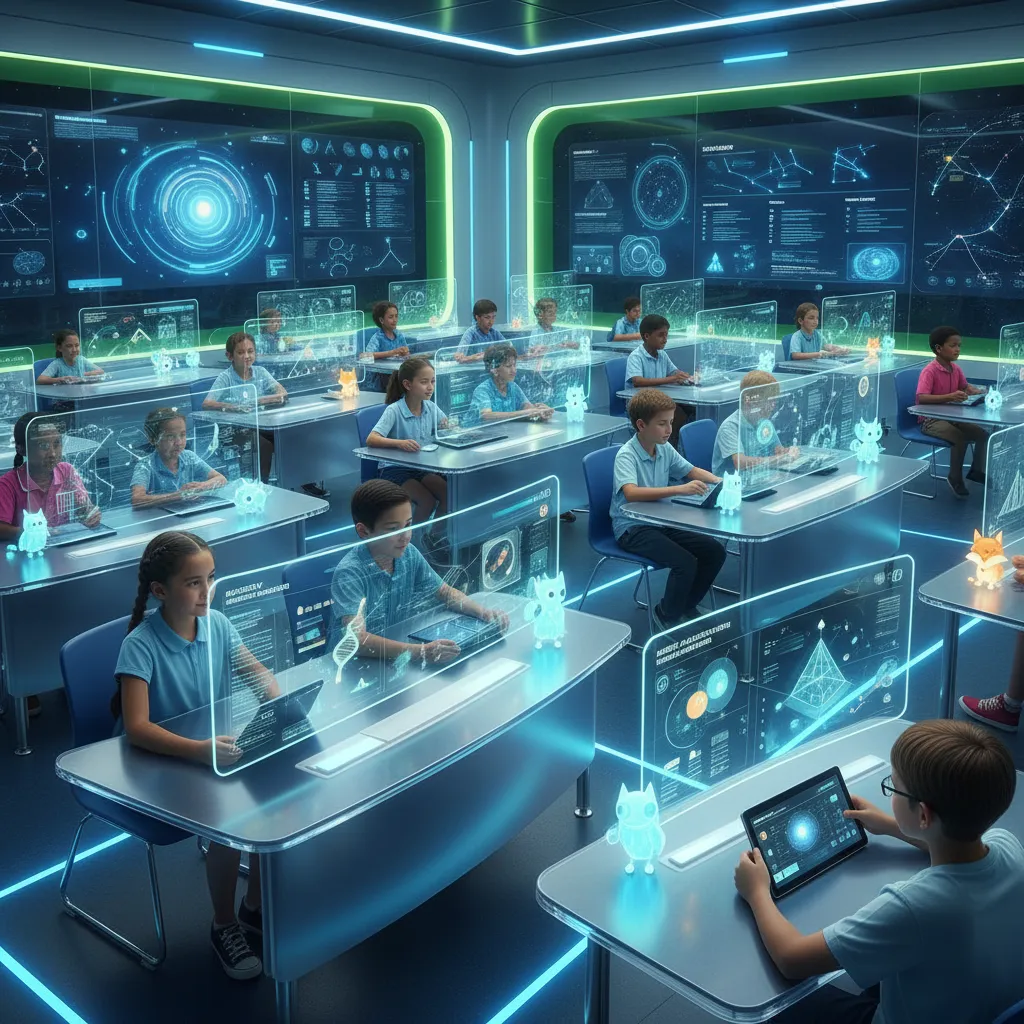
Imagine a typical K-12 classroom: thirty students, one teacher, and one curriculum. Within that group, there’s a student who grasps algebra concepts instantly, another who needs visual aids to understand geometry, and a third who is quietly falling behind in reading comprehension. The traditional, one-size-fits-all model of education has always struggled with this diversity of learning styles, paces, and needs. Teachers perform heroic feats to differentiate instruction, but the sheer scale of the challenge is immense.
Now, imagine a different classroom. One where every student has a personal learning co-pilot, an intelligent guide that understands their unique strengths and weaknesses. This guide provides real-time support, adjusts the difficulty of problems on the fly, and crafts a customized learning path designed to ensure mastery, not just memorization. This isn’t a scene from a distant sci-fi future; it’s the reality being built today by AI-driven personalized learning.
This article dives deep into the world of adaptive education for K-12, a technological revolution poised to redefine student success. We’ll explore the core AI technologies making it possible, the tangible benefits for students and educators, the critical ethical questions we must address, and the exciting future of education technology that awaits. Get ready to see how AI is moving from a buzzword to a fundamental tool for creating more engaging, equitable, and effective learning environments.
Beyond the Buzzwords: What is AI-Driven Personalized Learning?
At its heart, AI-driven personalized learning is about shifting the educational paradigm from a content-centered approach to a student-centered one. It uses the power of artificial intelligence to tailor educational experiences to each individual’s needs, interests, and abilities.
From One-Size-Fits-All to One-Size-Fits-One
For over a century, the industrial model of education has treated students like an assembly line, moving them through standardized content at a fixed pace. If a student falls behind, they risk staying behind. If a student is ahead, they risk becoming bored and disengaged.
AI personalized learning dismantles this assembly line. Instead of a single, linear path, it creates a dynamic, branching network of possibilities. Think of it like a sophisticated GPS for education. A standard map gives you one route from A to B. An AI-powered GPS, however, analyzes real-time traffic, your driving habits, and potential roadblocks to suggest the most efficient route for you, rerouting as needed. Similarly, personalized learning platforms use data to create customized learning paths for every student, ensuring they get the right content at the right time.
The “Adaptive” Engine: How Machine Learning Makes It Happen
The magic behind this personalization is adaptive technology, primarily powered by machine learning in education. These systems don’t just follow a pre-programmed script; they learn and evolve. Here’s a simplified breakdown of the core components:
- Data Collection: As a student interacts with an AI educational software—watching a video, answering a quiz, playing a learning game—the platform collects thousands of data points. This includes right/wrong answers, time spent on a problem, hints requested, and even concepts they revisit.
- Pattern Recognition (Machine Learning): AI algorithms analyze this data to identify patterns. The system learns what a student has mastered, where they are struggling, and even predicts what they might find challenging next. This is the essence of data-driven education AI.
- Real-Time Adaptation: Based on this analysis, the system instantly adjusts the learning experience. If a student is acing fractions, it might introduce more complex word problems or move on to decimals. If they’re struggling with a specific historical concept, it might offer a different video explanation, a summary article, or a foundational quiz to diagnose the skill gap analysis AI is designed to find.
- Generative AI for Education: A newer, powerful layer involves generative AI. Tools like chatbots and AI tutoring systems can now engage in natural language conversations, explain concepts in different ways, help students brainstorm for essays, and generate novel practice problems tailored to their specific mistakes. [Related: Claude 3.5 Sonnet: The Ultimate Guide to a Smarter, Faster AI Assistant]
The New Toolkit: Key Educational AI Tools Shaping K-12 Classrooms
The theory is impressive, but the real transformation is happening through a new generation of practical, powerful educational AI tools. These aren’t just digital worksheets; they are interactive partners in the learning process.
Intelligent Tutoring Systems (ITS): The Personal Mentor for Every Student
One of the most impactful applications of AI in schools is the Intelligent Tutoring System (ITS). These platforms act as one-on-one tutors, providing personalized guidance and immediate feedback that was previously impossible to deliver at scale. Unlike a simple Q&A bot, an ITS understands the process of learning. If a student makes a mistake in a multi-step math problem, the system won’t just say “incorrect.” It might ask, “Can you explain how you got that number?” or highlight a specific part of the equation, guiding the student to discover their own error.
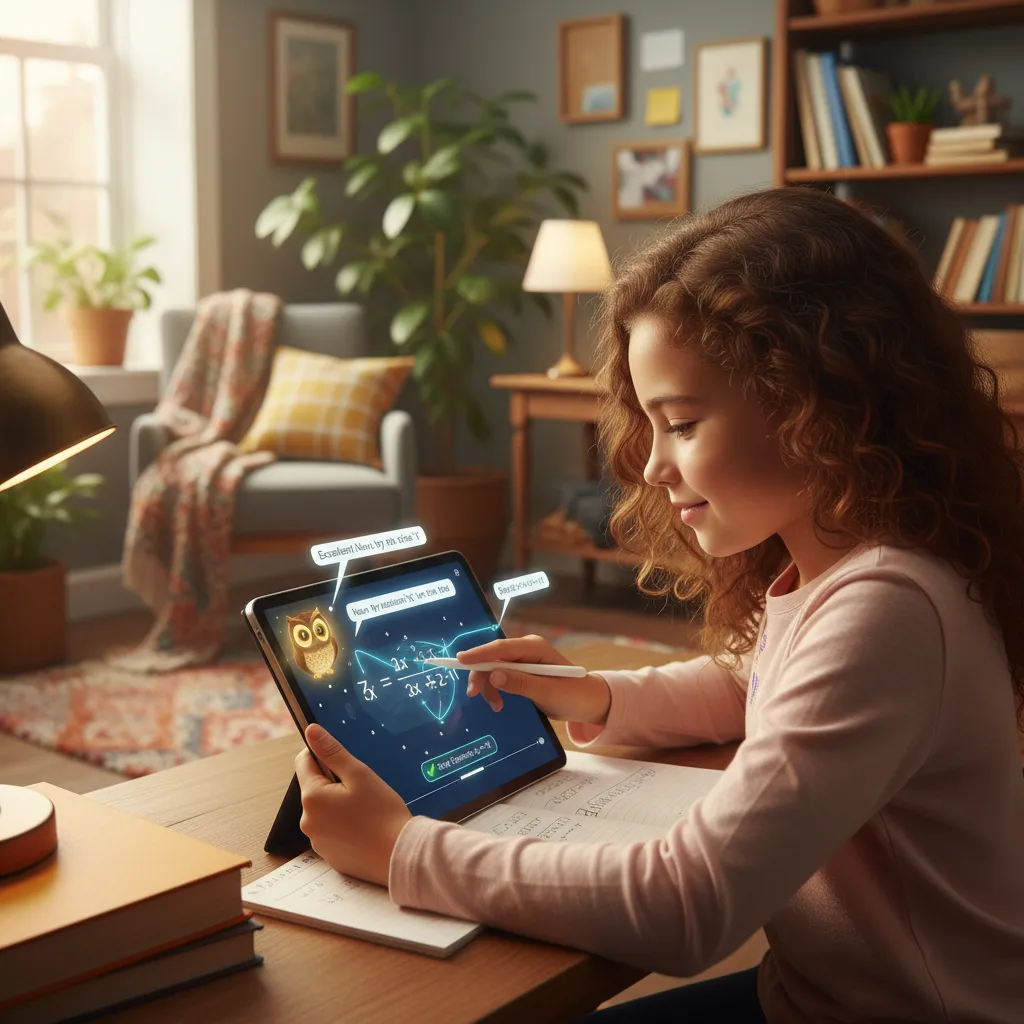
This mimics the Socratic method used by human tutors, fostering critical thinking and deeper understanding. Platforms like Carnegie Learning’s MATHia and Alef Education are leading examples, helping students build confidence and achieve mastery at their own pace.
Adaptive Learning Platforms: Crafting Customized Learning Paths
Adaptive learning platforms are the architects of the individualized learning journey. They use a comprehensive, data-driven approach to map out an entire curriculum for each student. These platforms continuously assess a student’s knowledge base and create a unique sequence of lessons, activities, and assessments.
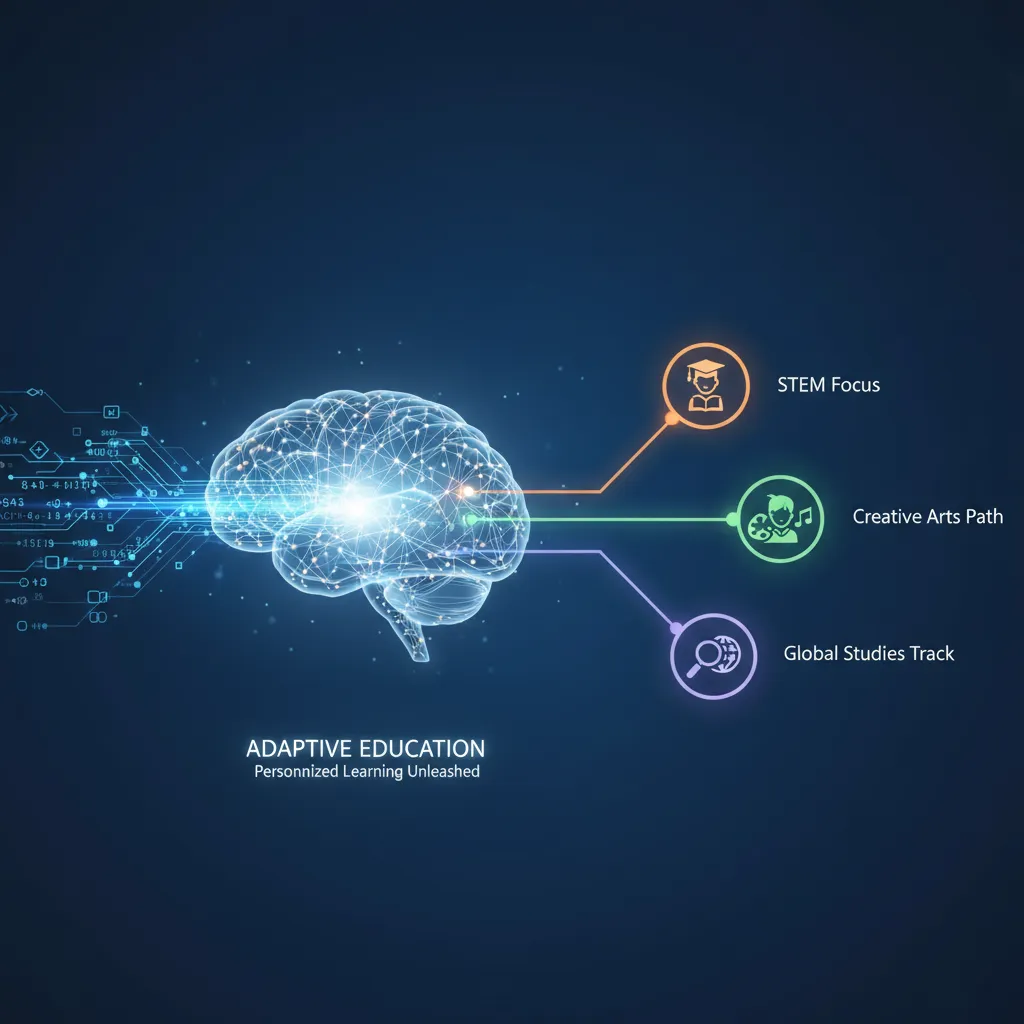
For example, in a science class, one student’s path might focus on reinforcing foundational chemistry concepts before moving to complex reactions, while another, who has demonstrated mastery, might be given advanced virtual lab simulations. This ensures that every moment of learning is productive, targeting the precise zone of proximal development for each child. This is a core adaptive teaching strategy powered by AI.
AI-Powered Assessment and Skill Gap Analysis
Traditional testing often tells us what a student doesn’t know, but rarely why. AI assessment tools are changing this by making assessment a continuous, integrated, and diagnostic part of the learning process.
Instead of a high-stakes final exam, AI can use “stealth assessments” embedded within games and activities to gauge understanding without causing test anxiety. These tools can perform a meticulous skill gap analysis, pinpointing with incredible accuracy the specific sub-skill a student is missing. A report for a teacher might not just say “Maria scored 65% on the test”; it might say, “Maria understands subject-verb agreement but struggles when subordinate clauses are introduced.” This level of insight allows for highly targeted interventions.
Generative AI: A Creative and Collaborative Partner
The arrival of powerful large language models has unlocked a new frontier for creativity and inquiry in the classroom. Generative AI for education can:
- Act as a brainstorming partner: Helping students outline essays or science projects.
- Serve as a Socratic dialogue tool: Allowing students to ask endless “why” questions about any topic.
- Create differentiated content: Generating reading passages on the same topic at five different reading levels instantly.
- Simulate scenarios: Students can “interview” historical figures or debate philosophical concepts with an AI. [Related: OpenAI’s Sora: How AI is Revolutionizing the Future of Video Creation]
This technology empowers students to take control of their inquiry, making learning a more active and exploratory process.
Transforming the Classroom Experience: Tangible Benefits for Students and Teachers
The implementation of AI in classrooms brings a host of benefits that ripple across the entire educational ecosystem. It’s not just about better grades; it’s about creating a more humane, supportive, and effective learning culture.
For Students: Fostering Engagement and True Mastery
When learning is tailored to the individual, the results are profound. The adaptive learning benefits for students are clear:
- Increased Student Engagement: Content that is perfectly challenging—not too hard, not too easy—is inherently more engaging. Student engagement AI platforms turn learning into a positive feedback loop, boosting motivation.
- Closing Learning Gaps: AI provides a safety net, ensuring foundational concepts are mastered before moving on. This prevents the “Swiss cheese” knowledge gaps that can plague students for years.
- Building Confidence: By allowing students to learn and make mistakes in a private, non-judgmental environment, AI helps build the confidence they need to participate actively in class.
- Developing Future-Proof Skills: Interacting with these systems naturally develops critical thinking, problem-solving, and digital literacy—the very future education skills students will need in a world shaped by AI. [Related: The Future of Work: How AI is Reshaping Jobs and Careers]
For Teachers: The AI Co-Pilot for a Smarter Workflow
A common fear is that AI will replace teachers. The reality is that AI for teachers acts as a powerful assistant, automating tedious tasks and freeing up educators to do what they do best: inspire, mentor, and connect with students on a human level.
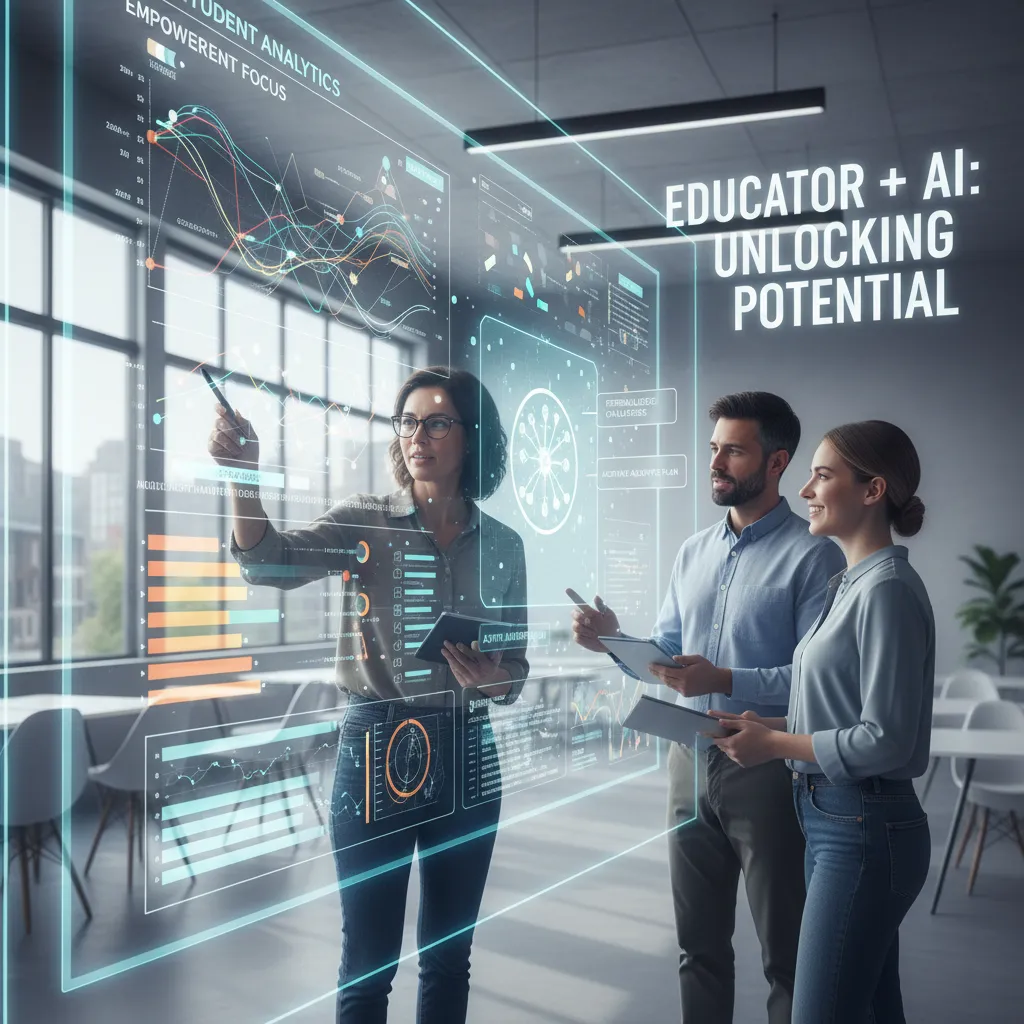
Here’s how AI empowers them:
- Automating Administrative Tasks: AI can grade multiple-choice quizzes, analyze homework submissions for common errors, and manage routine record-keeping, saving teachers hours each week.
- Providing Data-Driven Insights: Instead of wading through spreadsheets, teachers get intuitive dashboards that visualize class-wide trends and individual student needs, allowing for more effective lesson planning.
- Personalizing Lesson Plans: AI can help teachers quickly find and adapt resources to create an AI-powered curriculum that caters to diverse learning needs within their classroom.
- More Time for Human Interaction: With administrative burdens lifted, teachers can devote more time to small-group instruction, one-on-one mentoring, and fostering the social-emotional skills that AI cannot teach.
For the Education System: Democratizing Quality Learning
On a macro level, AI has the potential to be a powerful force for equity. By democratizing education, these technologies can provide high-quality, personalized instruction to students regardless of their geographic location or their school’s resources. A student in a rural district can have access to the same quality of adaptive math tutoring as a student in a wealthy urban center, helping to level the playing field.
Navigating the Challenges: Ethical Considerations and Practical Hurdles
While the potential of AI in education is immense, the path to implementation is not without its challenges. It’s crucial to approach this technological shift with a thoughtful and critical perspective, addressing the ethical AI in education concerns head-on.
Data Privacy and Security: The Digital Footprint of Learning
Personalized learning runs on student data. This raises critical questions about privacy and security. How is this sensitive data being stored? Who has access to it? How is it being used? School districts and edtech companies must adhere to stringent regulations and be transparent with parents and students about their data policies to build and maintain trust.
The Equity Gap: Ensuring Access for All
While AI can be a democratizing force, it also risks widening the digital divide. Schools in under-resourced communities may lack the funding for robust internet infrastructure, devices for every student, and the necessary software licenses. A successful rollout requires a deliberate focus on equity to ensure that AI in schools doesn’t become another privilege for the few. [Related: A Zero-Waste Lifestyle: Your Essential Guide to Sustainable Habits]
Over-Reliance and the Role of the Human Teacher
Technology is a tool, not a panacea. An over-reliance on AI educational software could potentially stifle creativity, collaboration, and the crucial social-emotional development that happens through human interaction. The most effective models are blended, where technology handles the personalized instruction and data analysis, while teachers focus on project-based learning, collaborative skills, and mentorship. The goal is to augment, not automate, the art of teaching.
Algorithmic Bias in Educational AI
AI systems learn from data, and if that data reflects existing societal biases, the AI can perpetuate or even amplify them. An algorithm could, for example, incorrectly correlate a student’s dialect with a learning disability. It is imperative that these systems are designed, audited, and continuously monitored for fairness and bias to ensure they support all students equitably.
The Future of Education is Here: EdTech Trends and What’s Next
The pace of change is accelerating, and the edtech trends of 2024 and beyond point toward an even more integrated and intelligent learning landscape. This is the beginning of a future-proof learning ecosystem.
The Rise of Smart Learning Environments
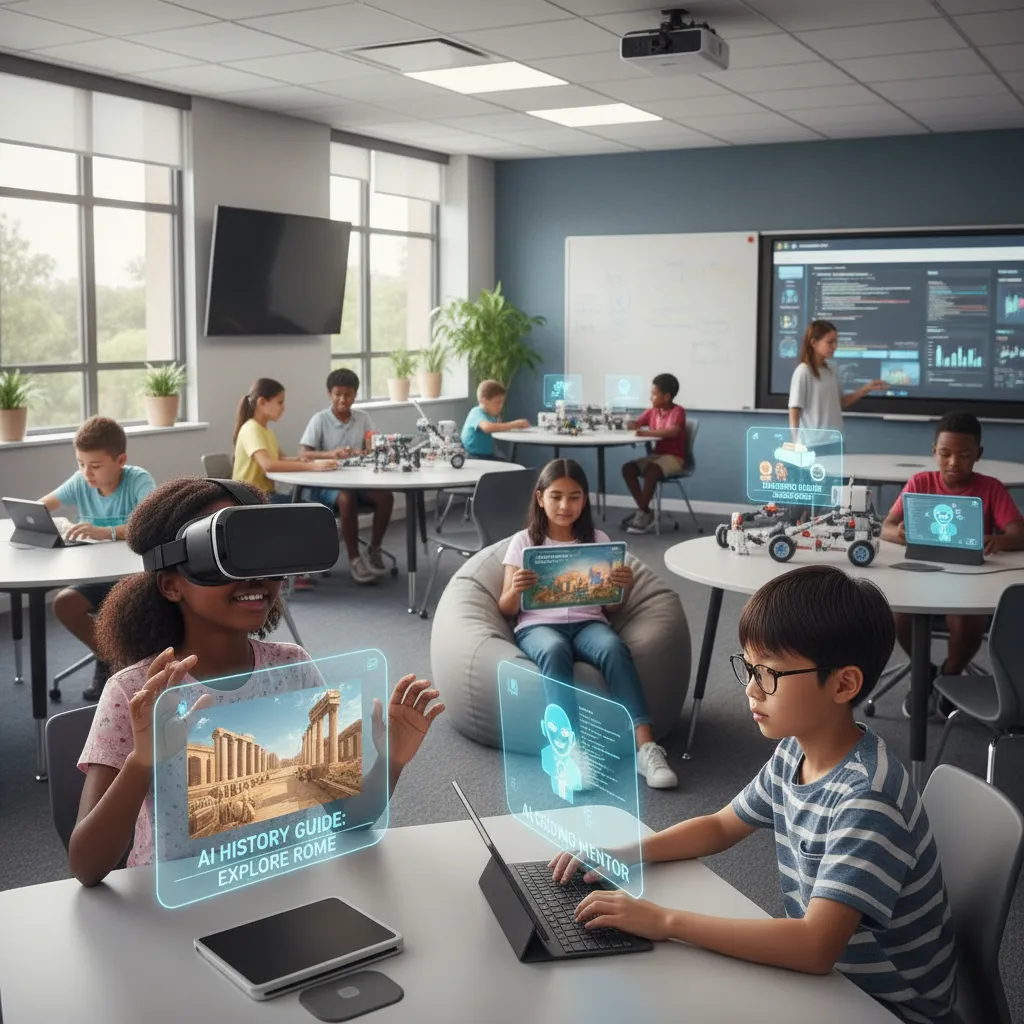
The classroom of the future is a smart learning environment. This is a space where the physical and digital worlds merge. Imagine interactive whiteboards that adapt content based on student responses, or VR/AR headsets that allow biology students to dissect a virtual frog or walk through ancient Rome. This immersive, data-rich environment will make learning more contextual and engaging than ever before. [Related: Apple Vision Pro: The Ultimate Guide to the Future of Spatial Computing]
Hyper-Personalization and Lifelong Learning Paths
AI’s ability to track learning won’t stop at high school graduation. In the future, we may see the development of lifelong learning companions that help individuals identify skill gaps and pursue continuous education throughout their careers. This creates a seamless, individualized learning AI-powered journey from K-12 to the professional world.
The Impact of On-Device AI
As AI models become more efficient, more processing will happen directly on devices like tablets and laptops. This shift to on-device AI will enhance data privacy (as less sensitive information needs to be sent to the cloud) and improve accessibility in areas with poor internet connectivity. It will make powerful AI tools more readily available to everyone. [Related: SLMs Explained: The Pocket-Sized Powerhouses Driving On-Device AI] and [Related: Apple Intelligence: Your Guide to the New AI Features in iOS 18, iPadOS 18, and macOS Sequoia]
Conclusion
The transition from a standardized, industrial-age education system to an AI-driven, personalized model is one of the most significant shifts in modern history. AI personalized learning is not about replacing the essential human element of education; it’s about amplifying it. It’s about providing every student with the individualized support they need to thrive and equipping every teacher with the tools to make it happen.
By creating customized learning paths, leveraging intelligent tutoring systems, and providing deep, data-driven insights, AI is paving the way for a more equitable, engaging, and effective K-12 experience. The challenges of ethics, equity, and implementation are real and require our careful attention, but the promise is undeniable. The future of education isn’t about choosing between technology and tradition; it’s about blending the best of both to unlock the full potential of every single student.
FAQs
Q1. What is an example of AI in K-12 education?
A great example is an adaptive math platform like DreamBox or IXL. As a student works on problems, the AI analyzes their answers, speed, and patterns in real-time. If they struggle with a concept, the system automatically provides simpler, foundational problems and video tutorials. If they excel, it introduces more challenging material to keep them engaged.
Q2. How will AI change K-12 education?
AI is fundamentally changing K-12 education by shifting the focus from a “one-size-fits-all” curriculum to individualized learning AI paths. It automates administrative tasks for teachers, provides students with instant, personalized feedback through AI tutoring systems, and uses data to identify and close learning gaps before they become significant problems.
Q3. What are the benefits of AI for K-12 students?
The primary adaptive learning benefits for students include increased engagement with material tailored to their level, greater confidence from mastering concepts at their own pace, and the development of critical thinking and digital literacy skills. It allows for a deeper, more personalized understanding of subjects.
Q4. What are the disadvantages or challenges of AI in education?
Key challenges include ensuring student data privacy and security, addressing the potential for algorithmic bias, and bridging the digital divide to ensure equitable access for all students. There’s also the risk of over-reliance on technology at the expense of crucial social-emotional learning and teacher-student interaction.
Q5. Will AI replace teachers?
No, AI is not expected to replace teachers. Instead, AI serves as a powerful co-pilot or teaching assistant. By handling data analysis, grading, and differentiated content delivery, AI for teachers frees them up to focus on high-impact activities like mentoring, leading collaborative projects, and providing personalized human support.
Q6. How do personalized learning platforms work?
Personalized learning platforms use machine learning algorithms to track a student’s progress and interactions. They collect data from quizzes, activities, and even how long a student spends on a question. This data is used to build a unique profile of the student’s strengths and weaknesses, which the platform then uses to create and continuously adjust a customized learning path.
Q7. What is an intelligent tutoring system (ITS)?
An intelligent tutoring system is an advanced AI software designed to simulate a one-on-one human tutor. It provides step-by-step guidance, asks probing questions to stimulate critical thought, and offers targeted feedback and hints, all without providing the direct answer. Its goal is to guide students through the problem-solving process.
Q8. Is AI good for students’ learning?
When implemented thoughtfully as part of a balanced educational strategy, AI can be incredibly beneficial for students’ learning. It promotes mastery of subjects, increases engagement, and helps build confidence. The key is to use it as a tool to enhance, not replace, the holistic educational experience provided by skilled teachers.