AI Culinary Innovation & The Future of Food: Smart Gastronomy

Food has always been at the heart of human culture, tradition, and community. Yet our global food systems face urgent challenges: rising agricultural resource constraints, widespread diet-related chronic illnesses, and immense food waste.
AI-driven culinary innovation and computational gastronomy are ushering in a new era—crafting sustainable, hyper-personalized, and delicious dining experiences designed for human health and planetary resilience.
[!NOTE] What is Computational Gastronomy? Computational gastronomy is the application of data science, chemical aroma compound databases, and machine learning algorithms to study flavor pairings, formulate sustainable food products, and optimize cooking processes for taste and metabolic health.
⚖️ Conventional Food Systems vs. AI-Powered Smart Gastronomy
| Culinary Dimension | Traditional Food & Dining | AI-Powered Smart Gastronomy | Health & Environmental Benefit |
|---|---|---|---|
| Recipe Innovation | Trial-and-error human kitchen testing | Molecular chemical compound pairing models | Uncovers revolutionary flavor profiles |
| Nutritional Matching | Generic dietary pyramids | Real-time glucose & microbiome personalization | Eliminates energy crashes & inflammation |
| Kitchen Food Waste | 30–40% household & restaurant spoilage | Predictive inventory & expiry-based menuing | 80% reduction in food waste |
| Alternative Proteins | Years of trial lab formulations | Machine learning protein folding & texture modeling | Sustainable, scalable meat alternatives |
| Cooking Precision | Inconsistent manual stove adjustments | Sensor-guided robotic thermal control | Perfectly cooked textures every time |
🍽️ The 4 Kitchen Frontiers Transformed by Food Tech
Smart Culinary Ecosystem:
Molecular Flavor Pairing ──► Personalized Metabolic Meal ──► Robotic Precision Prep ──► Sustainable Science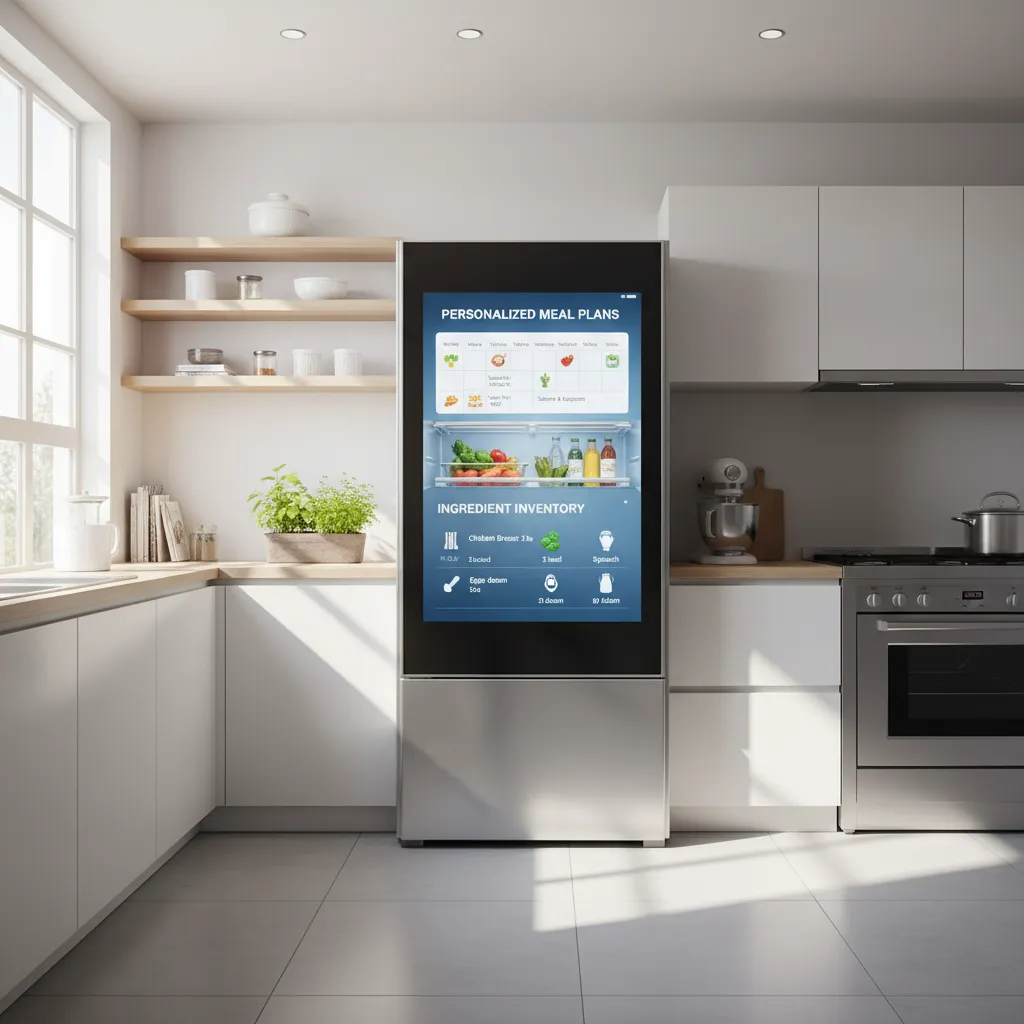
1. Smart Refrigerators & Automated Meal Logistics
Smart refrigerator vision cameras track pantry inventories in real time, suggesting delicious chef-crafted dinners based strictly on ingredients nearing expiration.
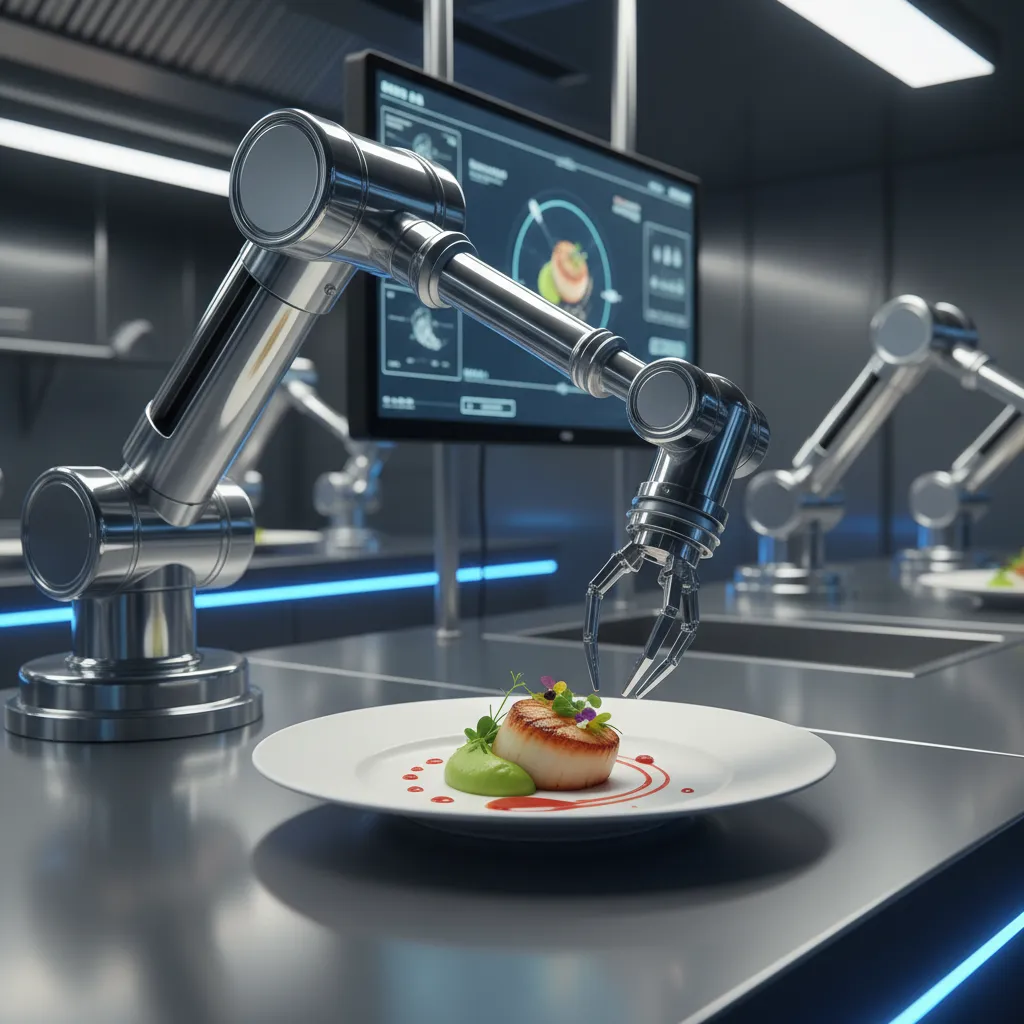
2. Robotic Kitchen Assistance & Precision Cooking
Automated induction pans and robotic plating arms adjust cooking temperatures by fractions of a degree, executing delicate sous-vide and searing techniques flawlessly.
For broader applications in smart home automation, check out our guide on AI Agents for Smart Living.

3. Hyper-Personalized Metabolic Dining
Cafes and home kitchens use metabolic telemetry to adjust carbohydrate, protein, and micronutrient ratios in each dish to match the diner’s morning workout intensity and sleep recovery score.

4. Precision Fermentation & Sustainable Food Labs
Food scientists deploy neural networks to model alternative protein crystallization, creating cruelty-free cheeses and cultured meats with authentic taste and texture.
For exploring eco-friendly smart home technologies, read our guide on AI Agents for Sustainable Smart Homes.
🚀 3 Ways to Embrace Smart Culinary Tech in 2026
- Leverage Computational Flavor Generators: Use AI recipe copilots to create unique dinners using whatever random ingredients remain in your pantry.
- Track Meal Response Biomarkers: Observe how different meals affect your energy and focus using wearable metabolic trackers.
- Support Sustainable Food Innovation: Explore local precision-fermented cheeses and plant-forward proteins that reduce environmental footprints.