AI for a Calmer Mind: Personalized Wellness & Mental Health Tech

Introduction
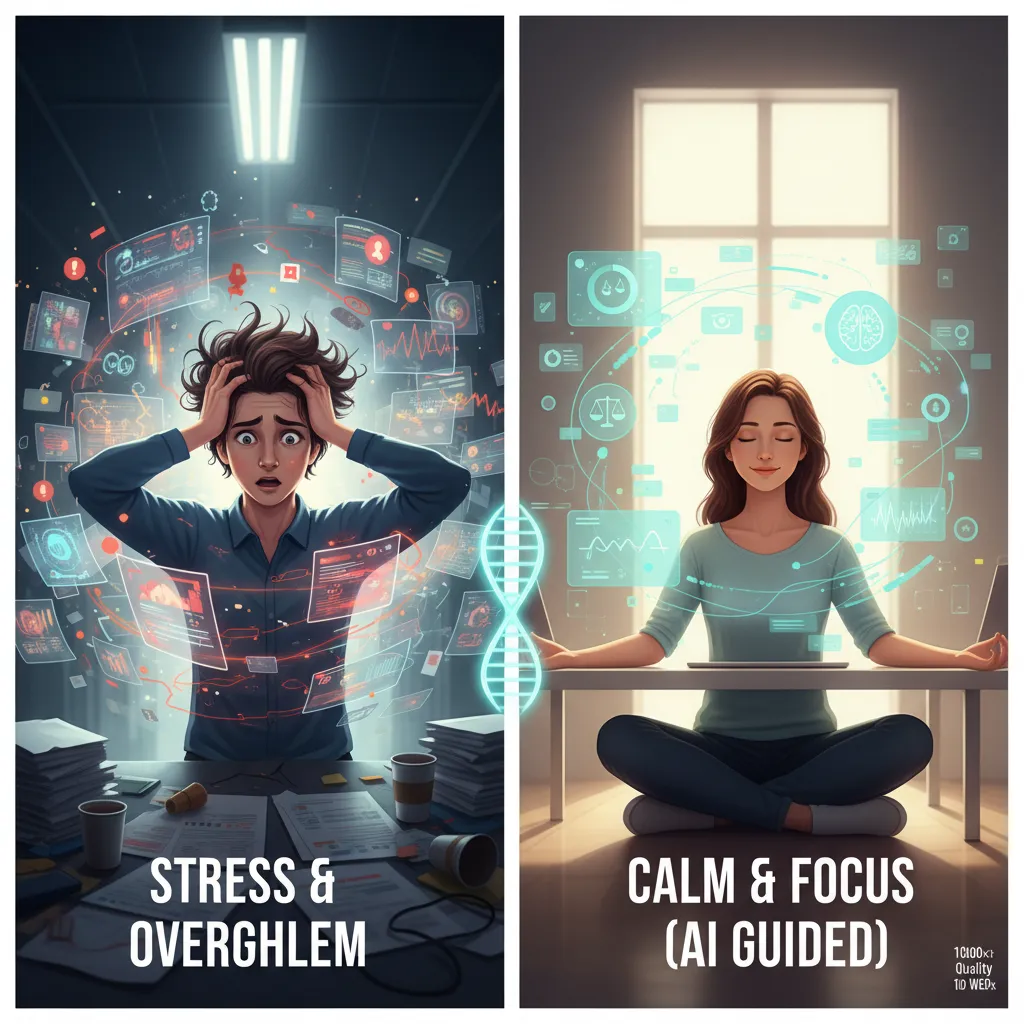
In our hyper-connected, fast-paced world, prioritizing mental well-being has shifted from a luxury to a necessity. Yet, traditional mental healthcare often struggles to keep up, hindered by high costs, long waiting lists, and persistent social stigma. Enter the silent revolution happening in our pockets and homes: the rise of AI for mental health. This isn’t science fiction; it’s the new reality of digital mental health, where artificial intelligence offers a lifeline for those seeking a calmer mind.
From personalized meditation guides to chatbots that help you reframe negative thoughts, mental wellness technology is making support more accessible, affordable, and private than ever before. This powerful fusion of psychology and code is creating a new ecosystem of ai self-care tools designed for ai personal well-being.
This article delves into the transformative world of personalized wellness AI. We’ll explore the cutting-edge ai therapy tools, analyze how mental health apps AI can provide daily support for anxiety and depression, and confront the critical questions around ethical AI mental health. Get ready to discover the future of mental health—a future where technology empowers us all to take control of our emotional landscape.
The New Frontier of Mental Wellness: How AI is Changing the Game
For decades, the path to mental support was linear: find a therapist, schedule an appointment, and hope for a good fit. While effective, this model leaves millions behind. The core problem has been a bottleneck of accessibility. Artificial intelligence is systematically dismantling these barriers, ushering in an era of accessible mental health AI.
At its heart, AI mental health leverages sophisticated algorithms, machine learning (ML), and Natural Language Processing (NLP) to understand human emotion, language, and behavior. Instead of offering a one-size-fits-all solution, it creates a dynamic, responsive experience tailored to you.
Imagine an app that doesn’t just offer a generic library of meditations but learns your stress triggers from your journal entries and proactively suggests a 5-minute breathing exercise before a big meeting. That’s the power of AI-powered therapy and personalization. It’s a shift from reactive care to proactive, smart mental health management that integrates seamlessly into your daily life. This technology empowers users to build resilience, understand their emotional patterns, and cultivate a sense of well-being on their own terms.
The AI-Powered Mental Health Toolkit: From Your Pocket to Your Home
The innovation in mental health tech 2024 is staggering, with a diverse range of tools designed to meet different needs. These aren’t just simple apps; they are complex systems designed for everything from immediate stress relief AI to long-term behavioral change.
Intelligent Companions: The Rise of AI Therapy & Coaching Chatbots
Perhaps the most recognizable form of AI mental health is the therapy chatbot. These are not simple scripted bots; they are sophisticated emotional support AI companions designed to engage in meaningful conversations.
Powered by NLP, these chatbots can understand user inputs, identify emotional states, and provide guidance based on established therapeutic frameworks. The most common is Cognitive Behavioral Therapy (CBT), an evidence-based approach that helps individuals identify and change destructive thinking patterns.
An AI coaching bot can guide you through a CBT exercise to challenge anxious thoughts, help you set and track wellness goals, or simply provide a non-judgmental space to vent after a tough day. Because they are available 24/7, they offer immediate support during moments of crisis when a human therapist might be unavailable. This constant access makes them powerful virtual mental health allies.

Personalized Sanctuaries: Mindfulness and Meditation Apps
Mindfulness and meditation are proven methods for managing stress and improving focus. AI takes them a step further. AI meditation apps are moving beyond static libraries of audio files to create deeply personalized experiences.
Here’s how mindfulness AI works:
- Biometric Feedback: By integrating with wearables like smartwatches, an app can monitor your heart rate variability (HRV). If it detects rising stress levels, it might send a notification suggesting a calming soundscape or a guided breathing session.
- Personalized Paths: Based on your stated goals (e.g., “improve sleep,” “reduce anxiety”) and feedback, the AI curates a unique curriculum of sessions for you.
- Adaptive Sessions: The AI can adjust the duration, focus, and style of meditation based on the time of day, your current mood (as tracked in the app), and what has worked for you in the past.
This level of personalization makes the practice more engaging and effective, transforming your phone into a portable sanctuary for ai stress management.
Decoding Your Inner World: AI-Driven Mood and Sleep Tracking
“You can’t improve what you don’t measure.” This business mantra is now a cornerstone of modern mental wellness. Mood tracking apps AI and sleep tracking AI are vital tools for building self-awareness.
These apps use AI to go beyond simple data logging. They identify correlations you might miss, such as the link between poor sleep and increased anxiety the next day, or how a certain activity consistently boosts your mood. By analyzing these patterns, the AI provides actionable insights: “We’ve noticed you report lower stress on days you take a walk. Maybe try a short walk this afternoon?”
This data-driven approach is invaluable for managing chronic conditions like anxiety and depression. It provides users and their clinicians with objective data, leading to more informed and effective treatment strategies. Related: Decoding Investor Psychology with AI: Overcoming Behavioral Biases.
The Holistic Home: Smart AI for Integrated Well-being
The future of mental health extends beyond our phones and into our living spaces. The concept of holistic ai wellness involves integrating mental well-being support into our environment through smart home technology.
Imagine this:
- Your AI assistant, noticing a late meeting on your calendar, proactively dims the lights in your home an hour before bedtime to promote melatonin production.
- Your smart speaker detects a restless night’s sleep via a connected mattress and suggests a calming playlist and a brief guided meditation in the morning.
- Your home’s lighting system adjusts its color temperature throughout the day to align with your circadian rhythm, boosting energy in the morning and promoting relaxation in the evening.
This is the frontier of smart mental health, where our environment actively participates in our well-being. Related: AI in Smart Homes: Revolutionizing Efficiency & Security in 2024.

The Tangible Benefits: Why People Are Turning to AI for Mental Support
The rapid adoption of these technologies isn’t just a trend; it’s a response to the clear advantages they offer over traditional models of care.
- Unprecedented Accessibility: AI tools are available 24/7, anywhere with an internet connection. This breaks down geographical and time-based barriers, offering support at the moment it’s needed most.
- Affordability: While many apps operate on a subscription model, they are often significantly cheaper than traditional therapy sessions, making mental health support financially accessible to more people.
- Anonymity and Reduced Stigma: For many, the fear of judgment is a major barrier to seeking help. AI provides a completely private and non-judgmental space to explore feelings and learn coping mechanisms.
- Data-Driven Personalization: AI’s ability to analyze vast amounts of personal data allows for truly customized wellness plans that adapt and evolve with the user, increasing engagement and effectiveness.
- Proactive & Preventative Care: By identifying negative patterns early, AI for anxiety and AI for depression can offer interventions before a crisis occurs, shifting the focus from treatment to prevention and building long-term resilience.
Navigating the Grey Areas: The Critical Conversation on Ethics and Privacy
With great power comes great responsibility. The rapid growth of AI mental health brings a host of complex ethical challenges that consumers, developers, and regulators must address to ensure these tools are safe and beneficial for all. This is the most critical conversation surrounding mental health innovation.
Data Privacy: Who is Listening?
Mental health data is among the most sensitive personal information that exists. When you pour your thoughts and fears into an app, where does that data go? The policies of data privacy mental health apps are paramount.
Key questions to ask include:
- Is the data encrypted both in transit and at rest?
- Is the company compliant with health data regulations like HIPAA?
- Is my anonymized data being sold to third-party advertisers or used to train other AI models?
- Can I easily delete my data?
Users must be vigilant, read privacy policies, and choose services that prioritize transparent and robust data protection.

Algorithmic Bias and Equity
AI models are trained on data. If that data is not diverse and representative of the global population, the resulting AI can be biased. An AI trained primarily on data from one demographic might fail to understand the cultural nuances, linguistic differences, or unique stressors of another.
This lack of AI emotional intelligence can lead to ineffective or even harmful advice. Ensuring equity in digital mental health requires a conscious effort from developers to use inclusive datasets and design culturally competent AI systems. Related: Ethical AI in Healthcare: Bridging Gaps in Equity and Accessibility.
The Human Element: Can AI Truly Replace a Therapist?
This is a frequent and crucial question. The answer, for now and the foreseeable future, is no. While AI can simulate empathy, it cannot replicate the genuine human connection, nuanced understanding, and shared experience that a human therapist provides.
AI is an incredibly powerful tool for support, skill-building, and early intervention. It can act as a bridge to care or a supplement to traditional therapy. However, for severe mental illness, complex trauma, or situations requiring nuanced clinical judgment, a qualified human professional is irreplaceable. The goal of AI-powered therapy should be to augment human care, not replace it.
The Future is Now: What’s Next for AI in Mental Wellness?
The field of mental wellness technology is evolving at lightning speed. We are on the cusp of even more profound integrations of AI into our mental well-being.
- Digital Phenotyping: This involves analyzing passive data from our smartphones—like typing speed, tone in texts, social media activity, and mobility patterns—to create a “digital phenotype” that can act as an early warning system for mental health declines.
- AI in Clinical Settings: Beyond personal apps, AI is helping clinicians diagnose conditions more accurately, predict which treatments will be most effective for a specific patient, and automate administrative tasks, freeing them up to focus on care.
- AI-Powered Virtual Reality (VR) Therapy: VR is already used for exposure therapy (e.g., for phobias). AI will make these simulations more dynamic and responsive, creating highly personalized therapeutic worlds.
- Advanced Wearable Integration: Future wearables will track not just heart rate but also cortisol (stress hormone) levels and electrodermal activity, giving AI even richer data streams to provide real-time, highly accurate mental state assessments and interventions. Related: Apple Intelligence: Your Guide to the Top AI Features in iOS 18.
Conclusion
Artificial intelligence is no longer a distant concept; it’s a present and powerful force for good in the mental health landscape. From 24/7 emotional support AI to data-driven personalized wellness AI, this technology is making mental self-care more accessible, destigmatized, and effective than ever before. It offers a toolkit for building resilience, managing stress, and understanding ourselves on a deeper level.
However, we must proceed with mindful optimism. The journey into the future of mental health requires us to champion innovation while demanding transparency, privacy, and equity. By embracing the potential of AI mental health tools and holding them to the highest ethical standards, we can unlock a new era of mental well-being, paving a personalized path to a calmer, healthier mind for everyone.
Frequently Asked Questions (FAQs)
Q1: How is AI used for mental wellness?
AI is used in mental wellness through various tools like therapy chatbots that provide support using Cognitive Behavioral Therapy (CBT), personalized meditation and mindfulness apps, and advanced mood and sleep trackers. These technologies analyze user data to offer personalized insights, coping strategies, and 24/7 accessible support for managing conditions like stress, anxiety, and depression.
Q2: Can AI therapy replace a human therapist?
No, AI therapy is not a replacement for a human therapist, especially for severe or complex mental health conditions. AI tools are best viewed as supplements or bridges to care. They provide excellent support for skill-building, daily check-ins, and managing milder symptoms, but they lack the genuine empathy, nuanced understanding, and clinical judgment of a qualified human professional.
Q3: Are AI mental health apps effective?
Many studies have shown that AI mental health apps, particularly those based on established principles like CBT, can be effective in reducing symptoms of anxiety, stress, and mild to moderate depression. Their effectiveness often depends on user engagement and the specific design of the app. They are most powerful when used consistently as a tool for self-awareness and skill development.
Q4: What are the main ethical concerns with AI in mental health?
The primary ethical concerns include data privacy (how sensitive user information is stored and used), algorithmic bias (the risk of AI providing ineffective or culturally inappropriate advice), a lack of clear regulation, and the potential for over-reliance on technology without professional human oversight, especially in crisis situations.
Q5: How does AI help with stress and anxiety specifically?
AI helps with stress and anxiety by providing immediate, on-demand coping tools. This can include guided breathing exercises, AI-led meditations, and CBT-based modules that help users identify and challenge anxious thought patterns. By tracking mood and biometric data from wearables, AI can also learn an individual’s stress triggers and proactively suggest interventions.
Q6: What is the future of mental health technology?
The future of mental health tech points toward greater integration and proactivity. This includes “digital phenotyping” to predict mental health shifts from phone usage, deeper integration with smart home devices for environmental wellness, AI-powered VR therapy, and more advanced wearable sensors that provide real-time feedback on a person’s neurological and hormonal state.